Find another title
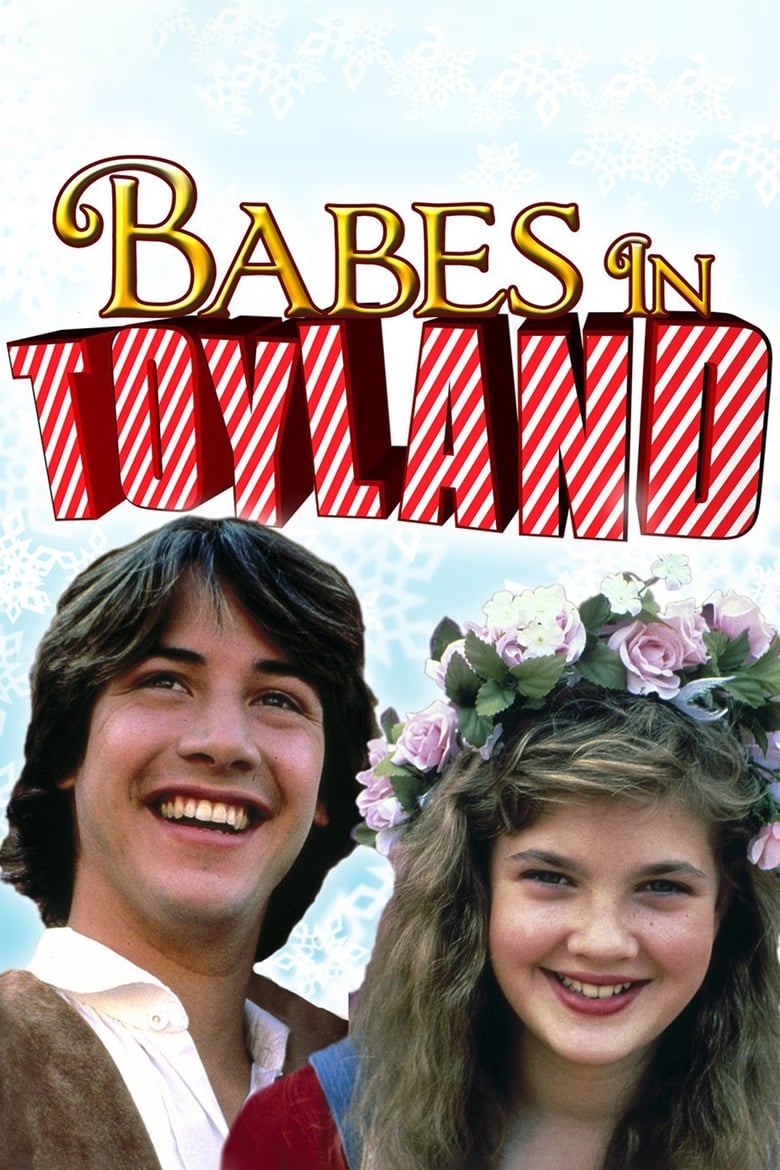
Babes in Toyland
1986
GDirector
Clive Donner
Runtime
95 minutes
Average Rating
No ratings yetSynopsis
11-year-old Lisa has no time for toys; she's too busy taking care of her siblings and cooking for her mother. During the Christmas Eve blizzard, Lisa travels to Toyland in Wizard of Oz-like fashion and arrives just in time for a wedding. Young Mary Contrary is about to marry mean, old Barnaby Barnacle, despite the fact that she loves Jack Be Nimble. Lisa tries to stop this terrible wedding and, together with her new friends, discovers that Barnaby wants to take over Toyland. Lisa, Mary, Jack, and Georgie Porgie ask the Toymaster for help, but he can't help them as long as Lisa doesn't truly believe in toys.
Where to Watch
Diversity & Representation
Overall Score
Limited
Category Breakdown
LGBTQ+ Representation
The film lacks any presence of non-cisnormative identities or same-sex intimacy. Romantic arcs remain strictly heteronormative, focusing on the central wedding conflict.
Gender Representation
Lisa is defined by domestic caretaking for her family, reinforcing traditional feminine roles. However, she possesses significant agency as the primary driver of the plot.
Racial & Ethnic Diversity
The production features a predominantly homogeneous cast typical of its era. Toyland functions as a culturally monolithic space without diverse character archetypes.
Religious & Cultural Diversity
The story adheres to a classical moral framework of absolute good versus evil. It reinforces traditional morality rather than deconstructing Western institutions.
Disability Representation
There are no prominent depictions of physical or neurodivergent disabilities. Characters function within a standard range of physical capability.
Strengths
- The protagonist, Lisa, serves as a capable catalyst for the plot and demonstrates significant agency.
- The film provides a clear, cohesive moral framework for its fantasy setting.
Areas for Improvement
- The cast is predominantly homogeneous, lacking racial and ethnic diversity.
- The narrative lacks any representation of LGBTQ+ identities or non-cisnormative characters.
- The film reinforces traditional gendered labor and domestic roles without subversion.
- There is no visible representation of physical or neurodivergent disabilities.
AI Analysis
Babes in Toyland is a product of its temporal context, functioning as a traditionalist fantasy. It relies on a binary moral structure that offers little room for nuance or systemic critique. The film adheres to established, non-subversive storytelling tropes. It lacks the intentionality required to disrupt social hierarchies or engage with intersectional identity politics. While the protagonist shows agency, the narrative remains rooted in mid-century conventions, prioritizing a stable, magical social order over progressive representation.
Rate this Movie
Reviews
No reviews yet. Be the first to share your thoughts on this movie!
Use the rating form above to leave a star rating and optional review.