The Nutcracker
1993
No user ratings available yet
Representation score: 1.2 out of 10
Representation Score
Minimal
1969
NRDirector
Barry Mahon
Runtime
70 minutes
Average Rating
No ratings yetNew Showbiz Analysis
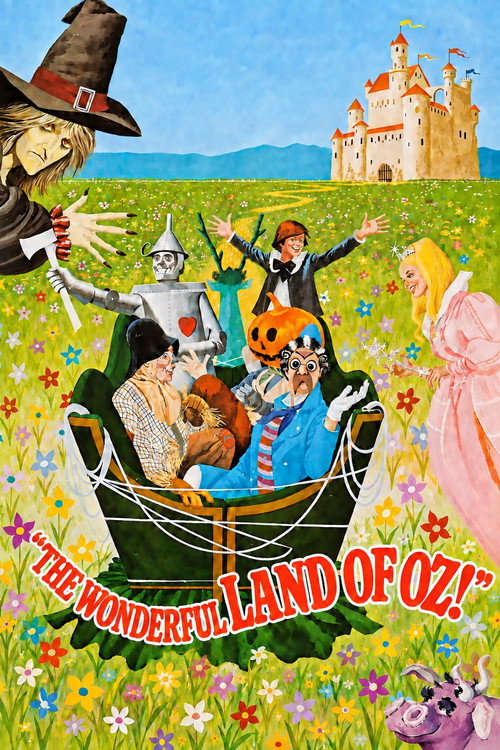
The Wonderful Land of Oz operates as a standard genre piece from 1969, reflecting the era's conventional social norms. While it introduces a female military leader, it lacks multi-layered depth. The narrative architecture centers on a traditional fantasy journey and power struggle, avoiding systemic critiques. Ultimately, the production remains tied to the commercial and genre-driven constraints of independent filmmaking from its time, offering limited progressive representation.
Category Breakdown
The film does not include any characters with non-traditional gender identities or same-sex relationships. It follows traditional fantasy archetypes.
General Jinjur stands out as a female military leader, but her role as a revolutionary may fall into the cliché of unstable female leadership.
The film appears to follow the homogeneous casting standards typical of 1960s fantasy. There is no indication of diverse ethnic representation.
The story explores a power struggle through an army's quest to seize the Emerald City. However, it lacks a deeper critique of real-world institutions.
There is no information available regarding the inclusion of characters with physical, sensory, or neurodivergent disabilities.
Present on Screen
Limited or Absent
Official Synopsis
After his witch guardian threatens to turn him into a statue, young Tip runs off to Emerald City with his newly-animated companion, Jack. Along the way, he meets up with Genral Jinjur, leader of the Army of Revolt, who takes Tip prisoner as she marches her troops to take over the Emerald City.
1993
1971
1970
1970
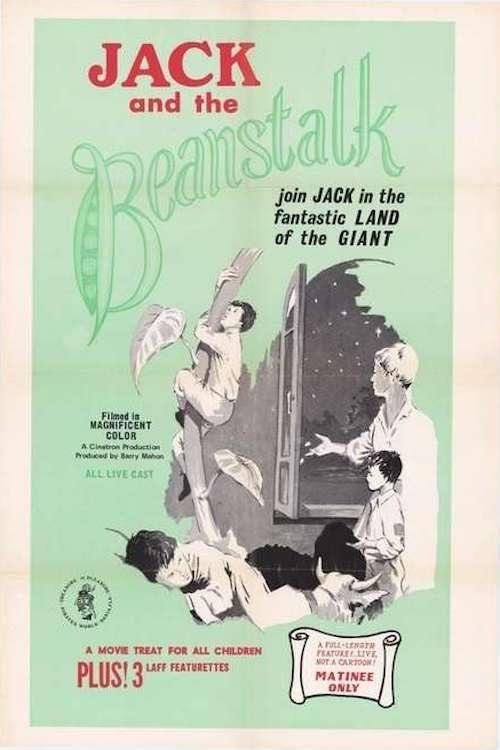
1970
1968
1972
1974
No reviews yet. Be the first to share your thoughts on this movie!
Use the rating form above to leave a star rating and optional review.