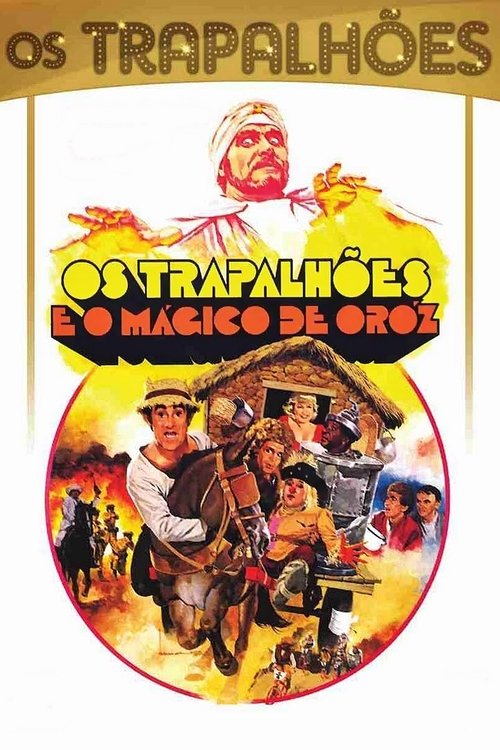
Os Trapalhões e o Mágico de Oróz
1984
No user ratings available yet
Diversity score: 3.8 out of 10
1970
GDirector
Hollingsworth Morse
Runtime
94 minutes
Average Rating
No ratings yetSynopsis
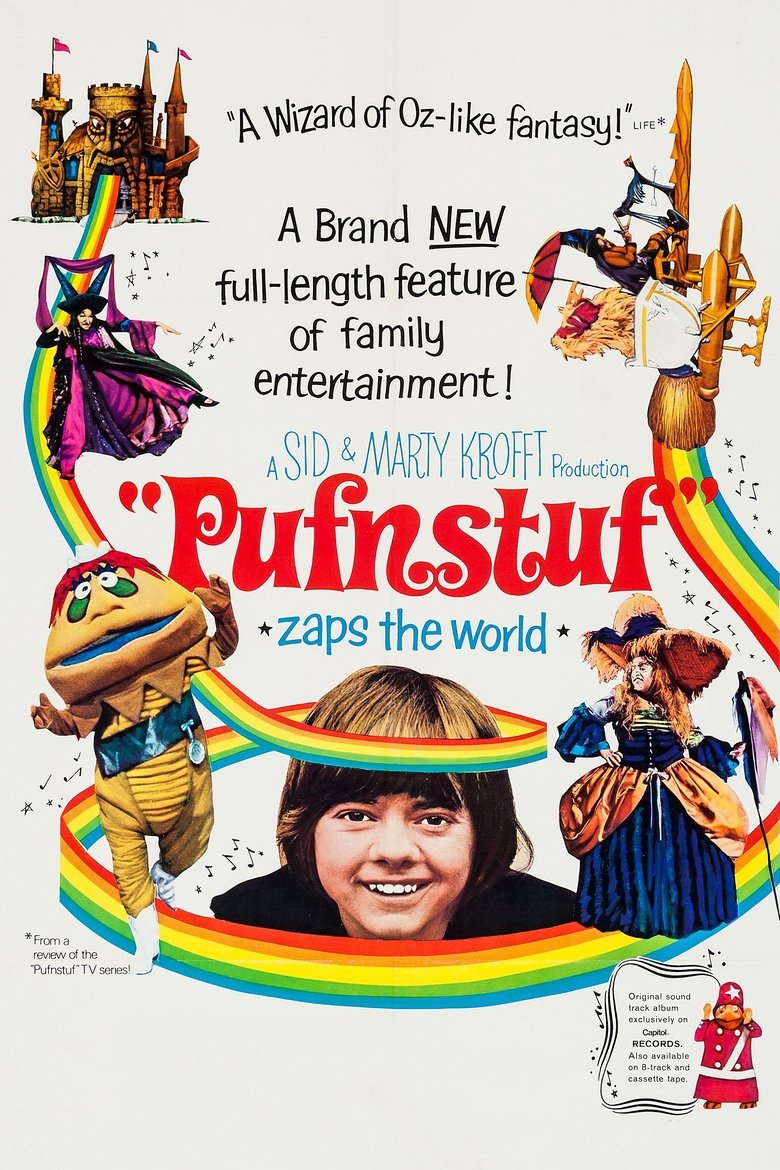
Jimmy (Jack Wild) ventures to Living Island with his magical, talking flute, Freddy. Once there, he befriends many of the island's inhabitants, but the evil Witchiepoo (Billie Hayes) is determined to steal Freddy the flute away from the boy to impress the visiting Witches' Council and win the Witch of the Year Award.
Overall Score
Limited
Category Breakdown
LGBTQ+ Representation
The film lacks any evidence of non-cisnormative identities or same-sex intimacy. It follows traditional character archetypes common to 1970s family fantasy.
Gender Representation
The story centers on a male protagonist and a female antagonist. Witchiepoo's role follows conventional villain tropes rather than subverting gendered hierarchies.
Racial & Ethnic Diversity
The fantasy setting features various inhabitants, but there is no evidence of a non-white majority cast. The focus remains on the boy and his magical flute.
Religious & Cultural Diversity
The narrative functions as a moral fable within an isolated ecosystem. It does not explicitly promote specific religious or anti-Western sentiments.
Disability Representation
While inhabitants possess fantastical traits, there is no evidence of these representing neurodivergence or physical disability. Characters appear to be standard fantasy archetypes.
Strengths
Areas for Improvement
AI Analysis
Pufnstuf operates as a whimsical, character-driven fable typical of its era. The narrative focuses on escapism and personal ambition rather than social critique or systemic disruption. The film relies on traditional archetypes, with a male hero and a female villain driven by status. This structure reinforces conventional roles rather than challenging them. While the fantasy setting offers a departure from realism, it lacks intentionality regarding intersectional representation or the inclusion of marginalized identities.
No reviews yet. Be the first to share your thoughts on this movie!
Use the rating form above to leave a star rating and optional review.