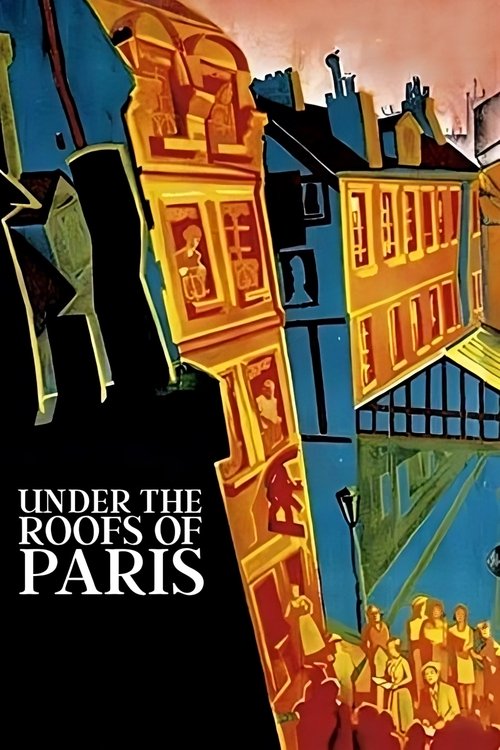
Break of Hearts
1935
No user ratings available yet
Representation score: 0.5 out of 10
Representation Score
Limited
1930
Not RatedDirector
René Clair
Runtime
92 minutes
Average Rating
No ratings yetNew Showbiz Analysis
René Clair’s work functions as a lyrical observation of urban life rather than a vehicle for social change. While the film avoids harmful stereotypes, it remains firmly grounded in the social hierarchies of its time. The narrative emphasizes atmosphere and the rhythms of the working class. It successfully adds ethnic texture through immigrant characters but fails to challenge the era's rigid gender and heterosexual norms. Ultimately, the film stands as a classic example of poetic realism. It captures the interdependence of social layers without actively seeking to dismantle traditional power structures or incorporate multi-layered diversity.
Category Breakdown
The film follows typical romantic storylines from the early sound era. It focuses solely on heterosexual relationships and does not include any characters with non-binary gender identities.
Female characters like Pola have some influence in romantic situations, but the main conflicts revolve around male jealousy and criminal activities. The film upholds traditional gender roles and stereotypes.
The inclusion of Pola, a Romanian immigrant, adds cultural variety to the Parisian setting. However, the cast remains predominantly homogeneous and does not delve deeply into systemic racial issues.
The film offers a poetic portrayal of working-class life and socioeconomic diversity. It captures communal urban existence without directly criticizing religious or Western institutions.
There is no representation of physical, sensory, or neurodevelopmental disabilities. Characters operate within the standard physical parameters of 1930s cinematic clichés.
Present on Screen
Limited or Absent
Official Synopsis
In the tenement slums of Paris between the world wars, impoverished street singer Albert yearns for beautiful Romanian immigrant Pola. Pola's boyfriend, local hoodlum Fred, grows jealous of Albert's constant attention to his woman and frames the hapless musician for one of his own petty crimes. But while Albert is in prison for Fred's misdeed, Pola ends up falling for Albert's faithful best friend, Louis.
1935
1927
1929
1955
1930
1938
1935
1930
No reviews yet. Be the first to share your thoughts on this movie!
Use the rating form above to leave a star rating and optional review.