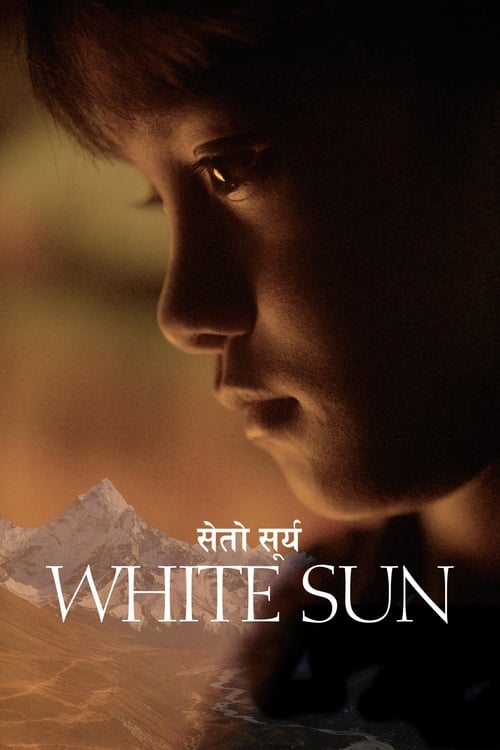
White Sun
2016
No user ratings available yet
Representation score: 5.8 out of 10
Representation Score
Limited
2015
Director
Min Bahadur Bham
Runtime
90 minutes
Average Rating
No ratings yetNew Showbiz Analysis
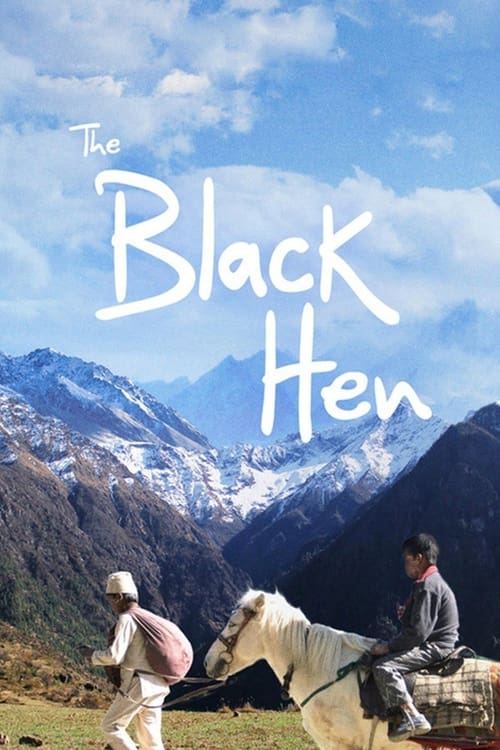
The Black Hen is a localized historical drama that examines the broader pressures of civil conflict through a micro-narrative. It avoids Western-centric clichés by focusing on the specific socio-political context of Northern Nepal. The film's strength lies in its authentic cultural textures and its critique of systemic social divisions, especially through the lens of caste. It uses the innocence of its young protagonists to highlight the corruption of the surrounding political system. However, the film does not engage with LGBTQ+ or disability issues. Gender roles remain within traditional domestic hierarchies without explicitly challenging them.
Category Breakdown
The film centers on the close friendship between two young boys and the family dynamics in a rural setting. It does not include characters with non-traditional gender identities or address assumptions about everyone being straight.
Women such as mothers and grandmothers play important roles in the household. However, the film portrays traditional gender roles without challenging the status quo or depicting masculinity negatively.
The film features a diverse cast representing Northern Nepal, highlighting internal divisions based on caste and social status to explore multiple aspects of identity.
The story critiques traditional social hierarchies by showing characters divided by caste. It emphasizes the systemic challenges faced by a rural, lower-socioeconomic population rather than idealized Western structures.
There is no depiction of physical or cognitive disabilities in the film.
Present on Screen
Limited or Absent
Official Synopsis
We are in the year 2001, a temporary ceasefire brings a much-needed break to a small war-torn village in Northern Nepal, bringing much joy among the residents. Prakash and Kiran, two young close friends, are also starting to feel the change in the air. Though they are divided by caste and social creed, they remain inseparable, and start raising a hen given to Prakash by his sister, with hopes to save money by selling her eggs. However, the hen goes missing. To find it, they embark on a journey, innocently unaware of the tyranny brought by the fragile ceasefire.
2016
2000
1989

2005
2012
2014
2015
1967
No reviews yet. Be the first to share your thoughts on this movie!
Use the rating form above to leave a star rating and optional review.