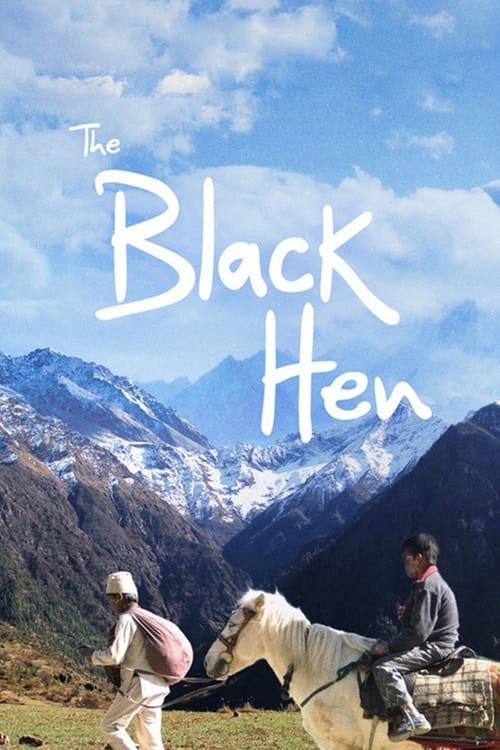
The Black Hen
2015
No user ratings available yet
Representation score: 3.4 out of 10
Representation Score
Fair
2016
Not RatedDirector
Deepak Rauniyar
Runtime
87 minutes
Average Rating
No ratings yetNew Showbiz Analysis
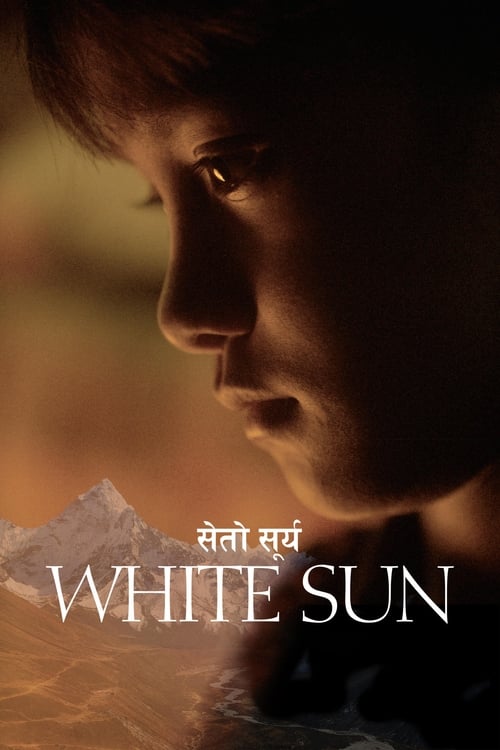
White Sun is a significant piece of regional cinema that challenges Western storytelling conventions. It succeeds by centering a localized, identity-driven exploration of history and family, rather than adhering to global adventure clichés. The film’s primary strength lies in its authentic ethnic and cultural centering. By focusing on the specific socio-political nuances of the Nepalese Civil War, it offers a nuanced view of power dynamics and systemic upheaval. However, the film lacks representation in certain areas. There is no visible engagement with LGBTQ+ identities or disability, and the gender balance remains centered on a mix of female emotional ability to act and male-driven external conflict.
Category Breakdown
The film does not include explicit LGBTQ+ characters or non-straight relationships. The narrative centers on traditional family structures and longing.
Pooja serves as the emotional core, contributing significantly to the internal landscape of the story. While Chandra drives external conflicts, the film emphasizes Pooja’s internal journey.
The film stands out by focusing on a non-Western, South Asian narrative set in a Nepalese village. It avoids a Western perspective by highlighting local culture and identity.
The story delves into complex political histories, particularly the aftermath of the Maoist insurgency. It examines revolutionary frameworks and disruptions to traditional social orders.
There is no depiction of characters dealing with physical, sensory, or neurodivergent disabilities in the narrative.
Present on Screen
Limited or Absent
Official Synopsis
Young Pooja lives with her mother in a village in Nepal. Though saddened by the death of her grandfather, she is secretly thrilled at the prospect of meeting the man she hopes may be her father — Chandra, a former Maoist guerrilla who is returning home after a decade-long civil conflict.
2015
2004
2017
2012
2013

2014
2013
2006
No reviews yet. Be the first to share your thoughts on this movie!
Use the rating form above to leave a star rating and optional review.