
I Saw the Sun
2009
No user ratings available yet
Representation score: 3.0 out of 10
Representation Score
Good
2014
Director
Hüseyin Karabey
Runtime
105 minutes
Average Rating
No ratings yetNew Showbiz Analysis
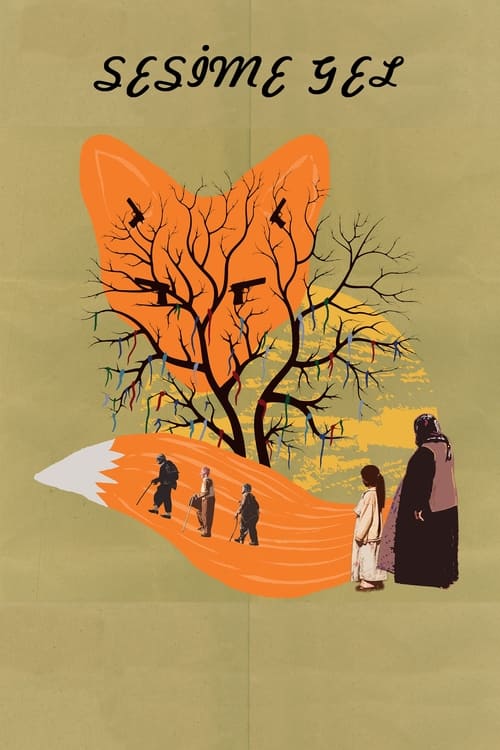
Come to My Voice is a poignant drama that centers on the Kurdish identity conflict through a deeply personal lens. By focusing on a grandmother and granddaughter navigating a crisis caused by military detention, the film provides a specific ethnic perspective. The film's strength lies in its subversion of traditional gender roles, where women become the primary drivers of the plot. However, the film's scope is narrow, focusing almost exclusively on ethnic and gendered struggles within a specific geopolitical context. It does not explore LGBTQ+ identities or disability representation, leaving those dimensions of diversity unaddressed.
Category Breakdown
The film does not explicitly depict LGBTQ+ identities. The story focuses on the familial bond between the grandmother, mother, and daughter.
The story challenges traditional gender roles by centering the resilience and endurance of women. With the male figure incarcerated, the plot is driven by the women's actions.
The film offers high-level representation of Kurdish ethnic identity. It places the specificities of Kurdish culture and struggle at the heart of the cinematic experience.
The narrative critiques centralized authority by portraying the state apparatus as an oppressive force. It highlights the struggle of a underrepresented family against institutional power.
There is no evidence regarding the portrayal of physical or neurodivergent disabilities within the narrative.
Present on Screen
Limited or Absent
Official Synopsis
In a snowy Kurdish mountain village, in the east of Turkey, an old woman Berfé and her granddaughter Jiyan are distressed. The only man in the household, Temo, the son of one and the father of the other, was arrested by the Turkish military. The commanding officer has been told that the villagers are hiding weapons, so he arrested all the men and announced that they will be kept in prison until their families hand over the weapons. The problem is that there are no weapons in the village. Desperate, Berfé and Jiyan embark on a long journey, in search of a gun which they could exchange for their beloved Temo. Will the old woman and her innocent granddaughter find a way out of the inextricable Kurdish identity conflict?
2009
1982

2013
2017
2017
2017
2017
2016
No reviews yet. Be the first to share your thoughts on this movie!
Use the rating form above to leave a star rating and optional review.