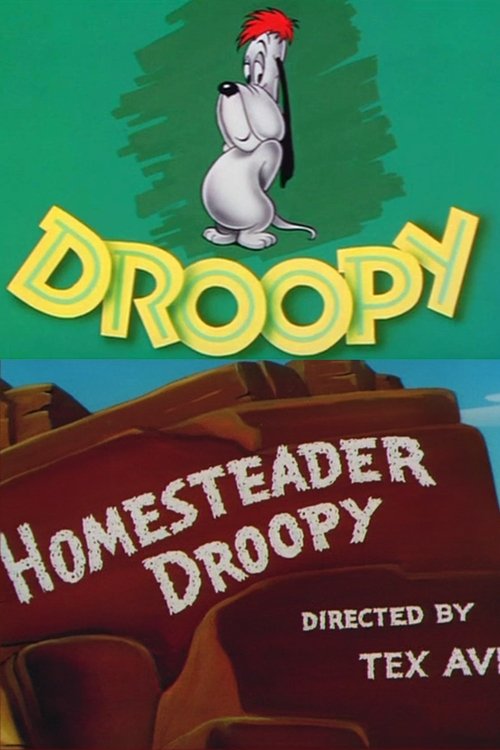
Homesteader Droopy
1954
No user ratings available yet
Representation score: 0.7 out of 10

Representation Score
Minimal
1946
ApprovedDirector
Eddie Donnelly
Runtime
6 minutes
Average Rating
No ratings yetNew Showbiz Analysis
Winning the West is a traditionalist animation that utilizes anthropomorphic metaphors to mirror historical colonial dynamics. By casting cats as the antagonists representing Indigenous populations, the film reinforces established social hierarchies and Western expansionist ideals. The narrative lacks intentionality regarding modern multi-layered representation, adhering instead to the conventional social structures of the mid-1940s. It relies on combat and masculine strength to resolve conflict, offering little room for diverse perspectives. Ultimately, the film functions as a piece of frontier mythology that validates the displacement of populations in favor of settler progress.
Category Breakdown
The film operates within a strictly straight-centered framework. There is no evidence of non-binary gender identities or same-sex relationships within the narrative.
The story centers on masculine strength and combat through the hero archetype of Mighty Mouse. It reinforces traditional clichés of the savior figure without challenging gender hierarchies.
Animal archetypes serve as metaphors for ethnic conflict, casting cats as Indigenous populations and mice as settlers. This structure reinforces colonialist perspectives and historical clichés.
The narrative celebrates Western expansionism and the displacement of existing populations. Historical figures like Buffalo Bill are used to canonize frontier mythology.
There are no visible or invisible disabilities portrayed with a significant role in the plot or central to the story.
Present on Screen
Limited or Absent
Official Synopsis
The big bad cats are the villains/Indians, and the little mice are the settlers going west in their little covered wagons, and the Indians are on a rampage about it. Things look dark indeed for the settlers when the likes of Buffalo Bill, General Custer and Daniel Boone are unable to defeat the attacking cats but...wait...up in the sky...here comes the singing, flying mouse...Mighty Mouse. Not recommended for Revisionists.
1954
1991
1945
1949

1956

1951
1953
1942
No reviews yet. Be the first to share your thoughts on this movie!
Use the rating form above to leave a star rating and optional review.