Svengali's Cat
1946
No user ratings available yet
Representation score: 1.4 out of 10
Representation Score
Minimal
1946
ApprovedDirector
Eddie Donnelly
Runtime
5 minutes
Average Rating
No ratings yetNew Showbiz Analysis
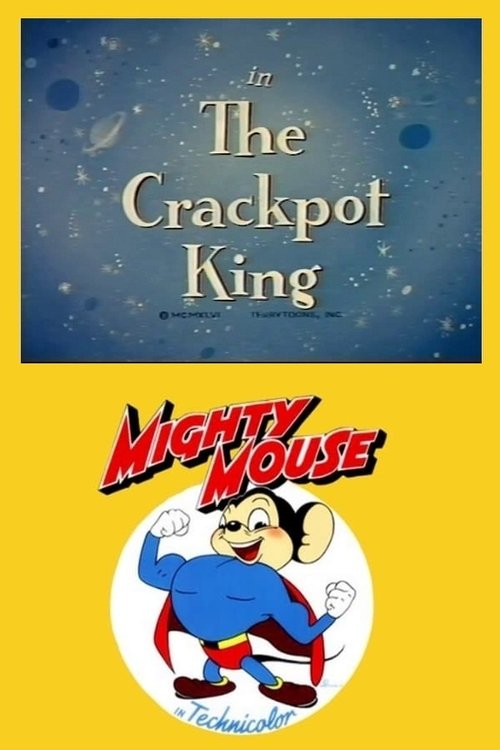
The Crackpot King is a product of mid-century animation that emphasizes traditional comedic clichés over progressive representation. Its narrative structure reinforces conventional social hierarchies rather than challenging them. Gender roles are clearly defined through the damsel-in-distress motif. Although the protagonist stops an unwanted marriage, the resolution still hinges on a masculine savior archetype to manage the female character's role. The film presents a homogeneous world reflecting the era's standard industry practices. It operates as a typical comedic short that adheres to the period's social and cultural norms.
Category Breakdown
The storyline focuses on a traditional marriage, with no indication of LGBTQ+ characters or identities.
Sweet Suzette is portrayed as a passive damsel-in-distress, manipulated by external forces. Her rescue depends on a male hero, reinforcing traditional savior roles.
The characters are part of a homogeneous group typical of 1946 animation. There is no evidence of diverse casting or challenging Anglo-centric norms.
The story follows traditional Western structures centered around monarchy and marriage. Social disruption is used solely for comedic effect, without deeper deconstruction.
No characters with visible or invisible disabilities are featured. Hypnosis is used as a plot device for manipulation, not as a portrayal of neurodivergence.
Present on Screen
Limited or Absent
Official Synopsis
The Little King wants a wife, so his Court Hypnonist, using foul means for a devious purpose, brings him Sweet Suzette, who has no interest in marrying the King. Mighty Mouse rescues yet again a damsel-in-distress, and sees to it that no wedding bells ring for Sweet Suzette.
1946
1949
1950
1946
1942
1949
1948
1945
No reviews yet. Be the first to share your thoughts on this movie!
Use the rating form above to leave a star rating and optional review.