
Deathtrap
1982
No user ratings available yet
Representation score: 1.4 out of 10
Representation Score
Minimal
1972
PGDirector
Joseph L. Mankiewicz
Runtime
138 minutes
Average Rating
No ratings yetNew Showbiz Analysis
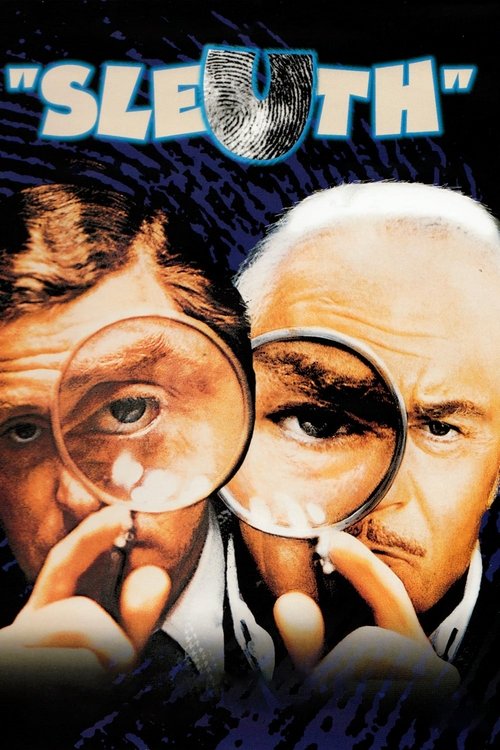
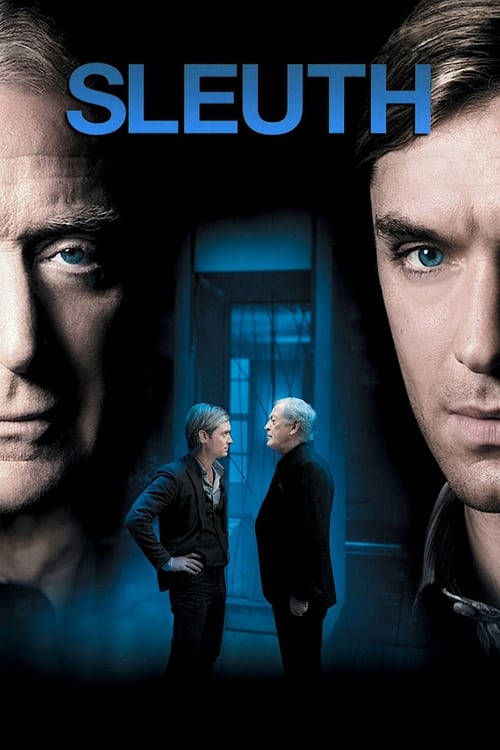
Sleuth is a sophisticated, dialogue-driven thriller that prioritizes intellectual sparring over social activism. It excels at deconstructing Western moral certainty and the psychological instability of the ruling class through a meta-theatrical lens. However, the film is deeply rooted in a traditional, homogeneous, and patriarchal framework. The narrative focus remains tightly locked within a white, upper-class English estate, offering little to no demographic variety. While the film challenges certain clichés by portraying the patriarch as morally bankrupt, it fails to provide meaningful representation for women, racial minorities, or the LGBTQ+ community.
Category Breakdown
The film focuses on a heterosexual conflict involving a wife's lover and a predatory father figure. There are no queer subtexts or non-cisgender identities in the character arcs.
The power dynamics in the film are predominantly male-focused, centered around an intellectual duel between two men. Women play a catalytic role in the plot but are peripheral to the climax where ability to act is key.
The cast is almost entirely white, reflecting the socioeconomic isolation of the English upper class. The narrative does not engage with racial or ethnic diversity.
The film deconstructs traditional moral authority by presenting a world of moral relativism. It critiques the performative nature of high-society institutions and transactional human relationships.
There are no prominent depictions of physical or neurodivergent disabilities. Such traits do not serve as central drivers for the narrative.
Present on Screen
Limited or Absent
Official Synopsis
A man who loves games and theatre invites his wife's lover to meet, setting up a battle of wits with potentially deadly results.
1982
1964
2007
1973
1985
1955

2022
1961
No reviews yet. Be the first to share your thoughts on this movie!
Use the rating form above to leave a star rating and optional review.