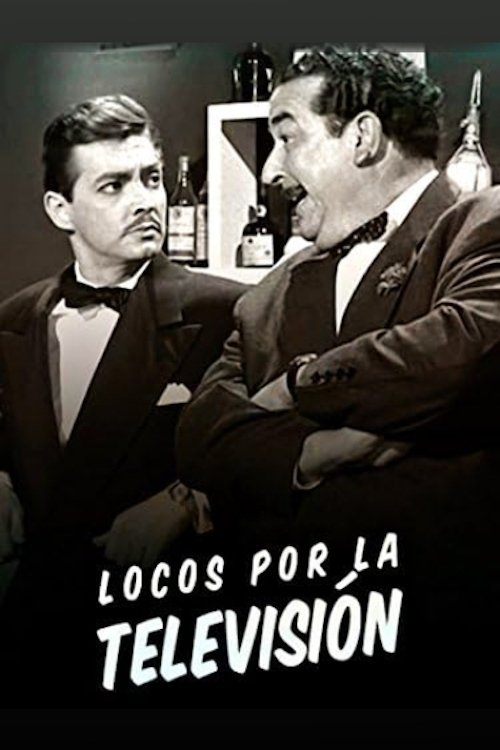
Locos por la televisión
1958
No user ratings available yet
Representation score: 2.0 out of 10
Representation Score
Limited
1947
ApprovedDirector
George Blair
Runtime
66 minutes
Average Rating
No ratings yetNew Showbiz Analysis
This musical comedy is a classic product of the mid-century studio system, prioritizing escapism over challenging social norms. The narrative relies heavily on established hierarchies, focusing on capitalist stability and restoring order through traditional romantic resolutions. While the film includes diverse musical variety acts, these elements remain secondary to the main plot. The central characters are part of a conventional white ensemble, and the cultural contributions serve more as spectacle than deep character development. Ultimately, the film upholds the status quo of 1947. It adheres to traditional gender roles and straight-centered structures, offering little to challenge the prevailing social norms of the era.
Category Breakdown
The film follows a typical romantic storyline focused on the main characters. There are no representations of non-straight or non-cisgender identities or intimate relationships between people of the same gender.
The female lead serves as a stabilizing force to manage the chaos caused by the male characters. She plays a significant role in organizing the story, but the arc ends with traditional courtship themes.
Musical acts like the Guadalajara Trio introduce non-Anglo-Saxon elements. However, these performers function as decorative additions rather than central figures in the narrative.
The plot emphasizes Western institutions and the preservation of business investments. It reinforces traditional social structures and the restoration of order.
There are no visible or hidden disabilities portrayed within the central character arcs.
Present on Screen
Limited or Absent
Official Synopsis
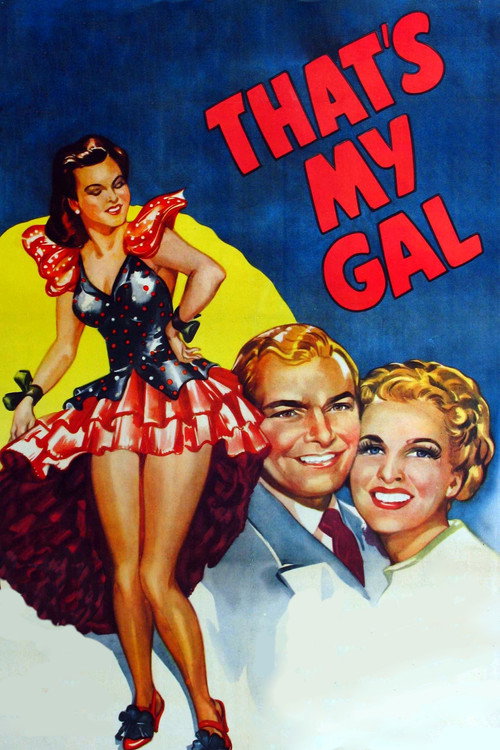
Two sharpie promoters put on a show they believe is so bad it will not play more than one day and they therefore will not have to pay the long list of investors, i.e, suckers and buyers. But one of the investors dies intestate and his interests pass to the state. The governor's secretary engages new talent and a new orchestra, in order to make the show successful and a profitable investment for the state.
1958
1933

1937
1954
1937
1941

1944
1939
No reviews yet. Be the first to share your thoughts on this movie!
Use the rating form above to leave a star rating and optional review.