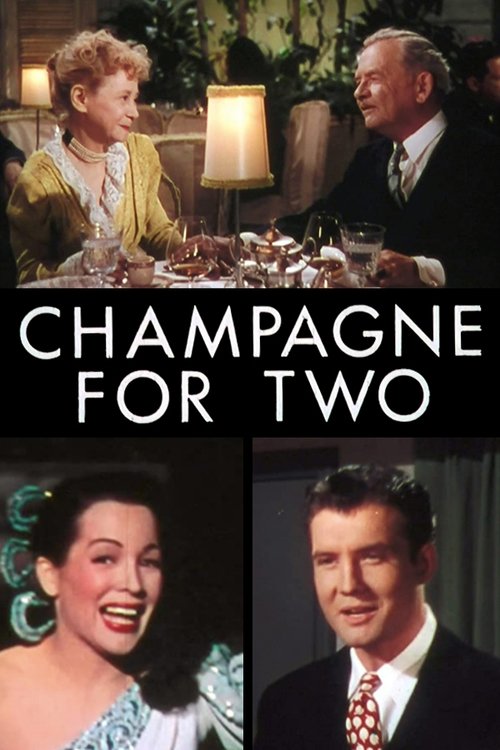
Champagne for Two
1947
No user ratings available yet
Representation score: 1.3 out of 10
Representation Score
Minimal
1951
PassedDirector
Richard Sale
Runtime
87 minutes
Average Rating
No ratings yetNew Showbiz Analysis
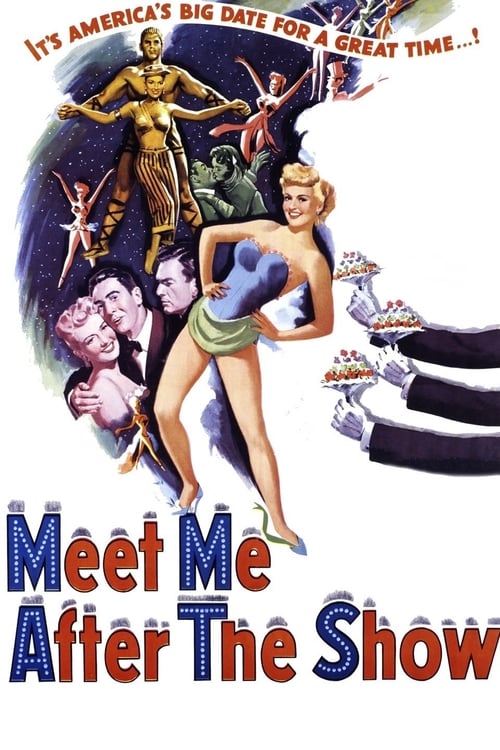
Meet Me After the Show is a classic example of the early 1950s Hollywood production style. It relies on conventional narrative structures that emphasize the stability of the traditional family unit and marital fidelity over any form of social critique. The film's narrow focus on a Broadway star's romantic struggles results in a lack of multi-layered complexity or diverse identity markers. It primarily reinforces mid-century social norms without questioning them. Ultimately, the work serves as a typical musical comedy of its time, upholding rather than deconstructing the social norms of the era.
Category Breakdown
The film does not include any characters with non-binary gender identities or same-sex relationships. The story revolves around a woman trying to win back her husband, which reinforces the assumption that everyone is straight and cisgender.
The female lead takes charge by planning a strategy to deal with her husband's infidelity. However, the story ultimately aims to restore a traditional marriage structure where the husband holds the dominant position.
The production reflects the era's tendency toward homogeneous casting. There is no indication of a diverse ensemble, suggesting a predominantly white, Western-centric cast typical of 1951.
The story focuses on individual romantic reconciliation within the context of mid-century Western social norms, without challenging broader societal institutions or traditional moral values.
There is no evidence that disability, neurodivergence, or chronic illness plays a role in the character arcs or plot mechanics.
Present on Screen
Limited or Absent
Official Synopsis
A Broadway star devises a scheme to win back her husband when she suspects he's being unfaithful.
1947

1933

1939
1948

1935

1953
1947
1956
No reviews yet. Be the first to share your thoughts on this movie!
Use the rating form above to leave a star rating and optional review.