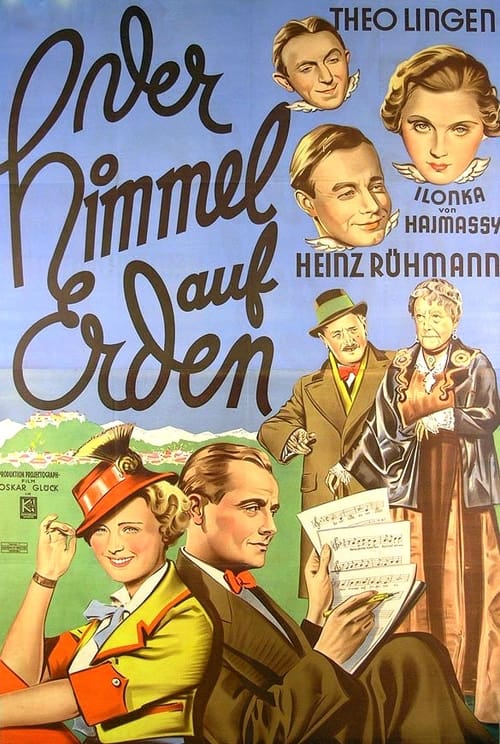
Heaven on Earth
1935
No user ratings available yet
Representation score: 1.4 out of 10
Representation Score
Minimal
1937
Director
Marcel Varnel
Runtime
86 minutes
Average Rating
No ratings yetNew Showbiz Analysis
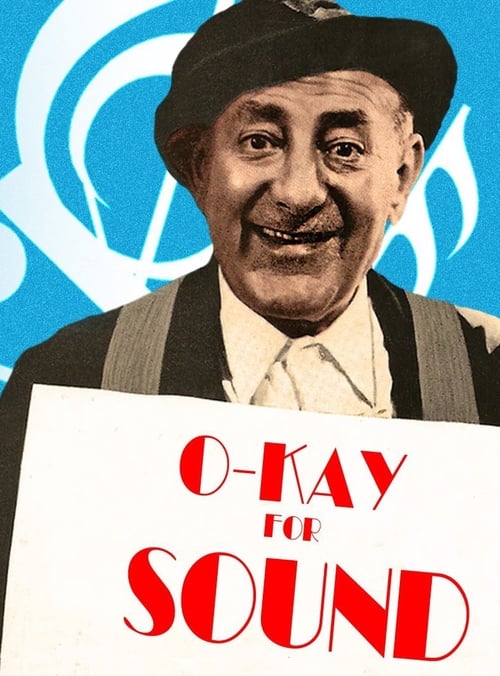
《O-Kay for Sound》是一部经典的错位喜剧,围绕身份混淆的情节展开。剧情通过不同社会阶层的碰撞来构建,发生在一家专业电影工作室的背景下。 影片侧重于阶级冲突而非多元身份认同。它作为一部反映当时社会和文化等级制度的作品而存在,并未提供进步的社会批判。 最终,该作品在边缘群体身份表示方面几乎没有贡献,更多地作为一个时代的娱乐作品。
Category Breakdown
The film does not include any characters with non-straight sexual orientations or non-cisgender identities. It adheres to the traditional romantic structures and social norms of 1930s cinema.
The central conflict is driven by male characters such as Hyman Goldberger and Albert. This reinforces the traditional gender roles where men主导情节发展。
故事聚焦于富有的投资者和街头音乐家之间的阶级差异。没有迹象表明存在种族或民族多样性,仅限于当时的同质化选角标准。
喜剧依赖于不同阶层之间社会礼仪的破坏。然而,结局可能恢复了现状,而不是对西方机构的批评。
电影中没有提到有明显或隐形残疾的角色。虽然阿尔伯特被描述为笨拙,但不清楚这是否是对他角色的有意义描绘还是单纯的滑稽。
Present on Screen
Limited or Absent
Official Synopsis
Hyman Goldberger, the president of film studio Super-Colossal Pictures, is in trouble--his major backer is threatening to stop financing his pictures. He finds a group of six wealthy individuals who may want to become investors in the studio if his disgruntled backer pulls out. Unfortunately, his bumbling runner Albert picks that day to invite six of his street musician friends to be in the film that is currently shooting at the studio, and Hyman mistakes them for the potential investors. Complications ensue.
1935
1933
1947
1929
1937
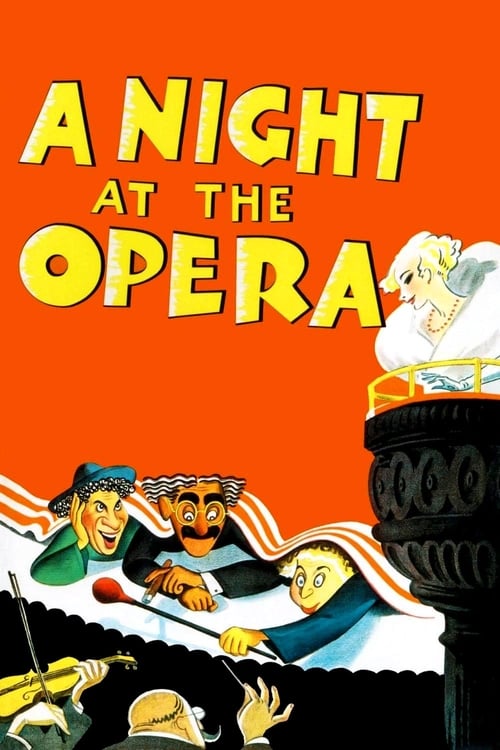
1935
1936

1933
No reviews yet. Be the first to share your thoughts on this movie!
Use the rating form above to leave a star rating and optional review.