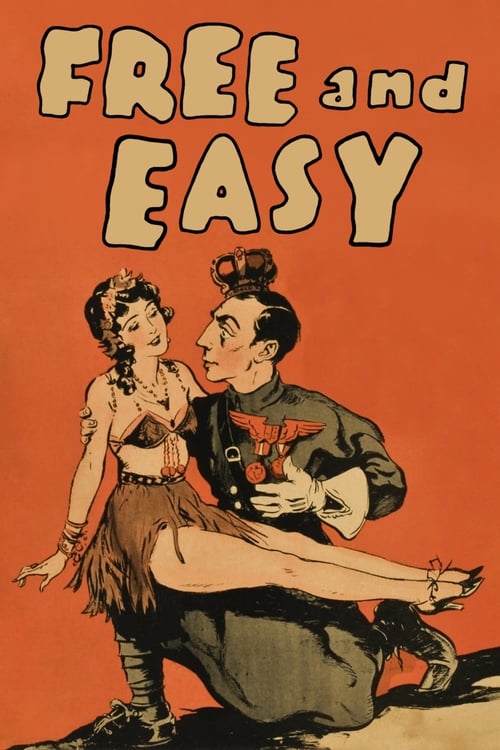
Free and Easy
1930
No user ratings available yet
Representation score: 1.1 out of 10
Representation Score
Minimal
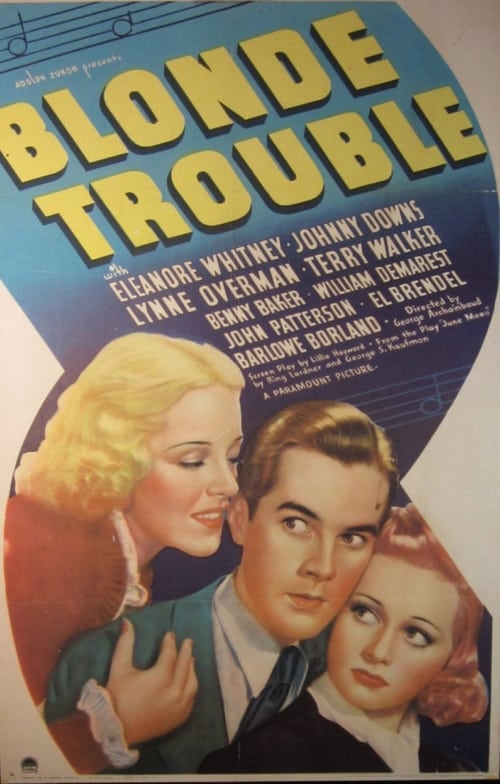
1937
ApprovedDirector
George Archainbaud
Runtime
67 minutes
Average Rating
No ratings yetNew Showbiz Analysis
Blonde Trouble adheres to the established social hierarchies and character archetypes of 1930s studio filmmaking. The plot revolves around a male songwriter's journey through Tin Pan Alley, driven by professional ambition and heterosexual romantic entanglements. The film heavily relies on clichéd portrayals, particularly regarding female characters. Women are often portrayed as emotional pursuers or 'gold-diggers' defined by their relationship to male wealth. This reinforces a narrow, traditional view of gender roles. Additionally, the narrative lacks any visible commitment to racial or cultural diversity. It presents a homogeneous view of the American music industry, reflecting the standard casting norms of the period without attempting to go beyond familiar patterns.
Category Breakdown
The film follows a typical romantic storyline between a male lead and female characters. There is no indication of LGBTQ+ identities or challenges to the assumption that everyone is straight or cisgender.
The story relies on traditional gender roles where the male lead drives the plot through his professional ambitions, while women play reactive roles or fit into stereotypical clichés.
The story centers on a specific socioeconomic journey within the American music industry. It lacks evidence of a diverse or non-Anglo-Saxon cast.
The film uses standard Western narrative structures focusing on individual ambition and capitalism. It operates within a traditional moralistic framework regarding greed and romance.
There is no information regarding characters with physical, sensory, or neurodivergent disabilities.
Present on Screen
Limited or Absent
Official Synopsis
Fred Stevens is an aspiring songwriter from Schenectady who journeys to New York City, hoping to make a name for himself. On the train he meets dental assistant Edna Baker, and the two embark upon a friendship that evolves into her falling for him. While struggling in Tin Pan Alley, Fred falls in with his composer partner's gold-digging sister-in-law Eileen. Eileen really becomes interested when she finds out Fred is carrying his life savings.
1930

1933
1937

1933

1944
1929
1939

1935
No reviews yet. Be the first to share your thoughts on this movie!
Use the rating form above to leave a star rating and optional review.