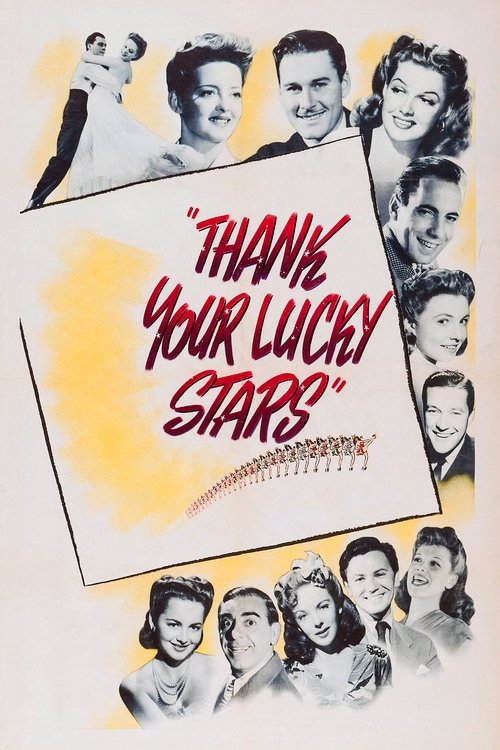
Thank Your Lucky Stars
1943
No user ratings available yet
Representation score: 0.8 out of 10
Representation Score
Minimal
1943
ApprovedDirector
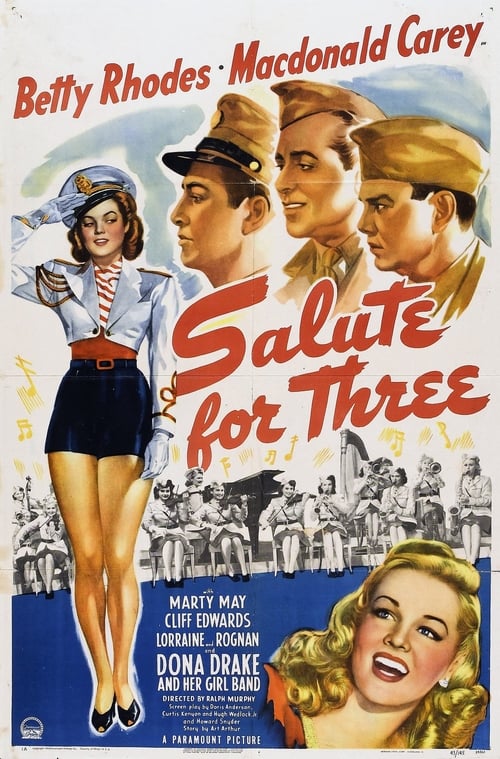
Ralph Murphy
Runtime
74 minutes
Average Rating
No ratings yetNew Showbiz Analysis
Salute for Three is a typical 1940s studio musical that prioritizes entertainment over social critique. While it highlights women in professional musical roles, the narrative control remains largely in the hands of male characters. The film adheres to the social hierarchies of its era, relying on traditional romantic and patriotic themes. It does not explore the overlapping aspects of identity or broader societal issues. Overall, the production serves as a nostalgic entertainment piece that upholds the cultural norms of its time.
Category Breakdown
The film does not include any characters with non-binary gender identities or sexual orientations. It also does not challenge the idea that everyone is straight or cisgender.
Women play important professional roles such as an orchestra leader and a singer. However, their success is often tied to a male character’s romantic schemes.
The film features a cast that reflects the homogeneity of the 1943 studio system. It focuses on a professional entertainment circle without showing diverse racial backgrounds.
The story aligns with the patriotic ideals and traditional social structures of wartime America. It emphasizes the importance of supporting the war effort through the figure of a war hero.
The narrative does not address any characters dealing with physical disabilities or neurodivergent conditions.
Present on Screen
Limited or Absent
Official Synopsis
Press agent Jimmy Gates gets an idea while watching a New York parade, for a returned war hero Sergeant Buzz McAllister, with his chief client, singer Judy Ames; Dona Drake, leader of an all-girl orchestra; his photographer Foggy, and his secretary Myrt. Jimmy, thinking Judy needs publicity in order to get a singing job on a radio program, thinks that a romance between her and the war hero would be just the ticket.
1943
1933
1944
1945

1943

1943
1943
1943
No reviews yet. Be the first to share your thoughts on this movie!
Use the rating form above to leave a star rating and optional review.