
Hating Gothenburg
2007
No user ratings available yet
Diversity score: 4.3 out of 10
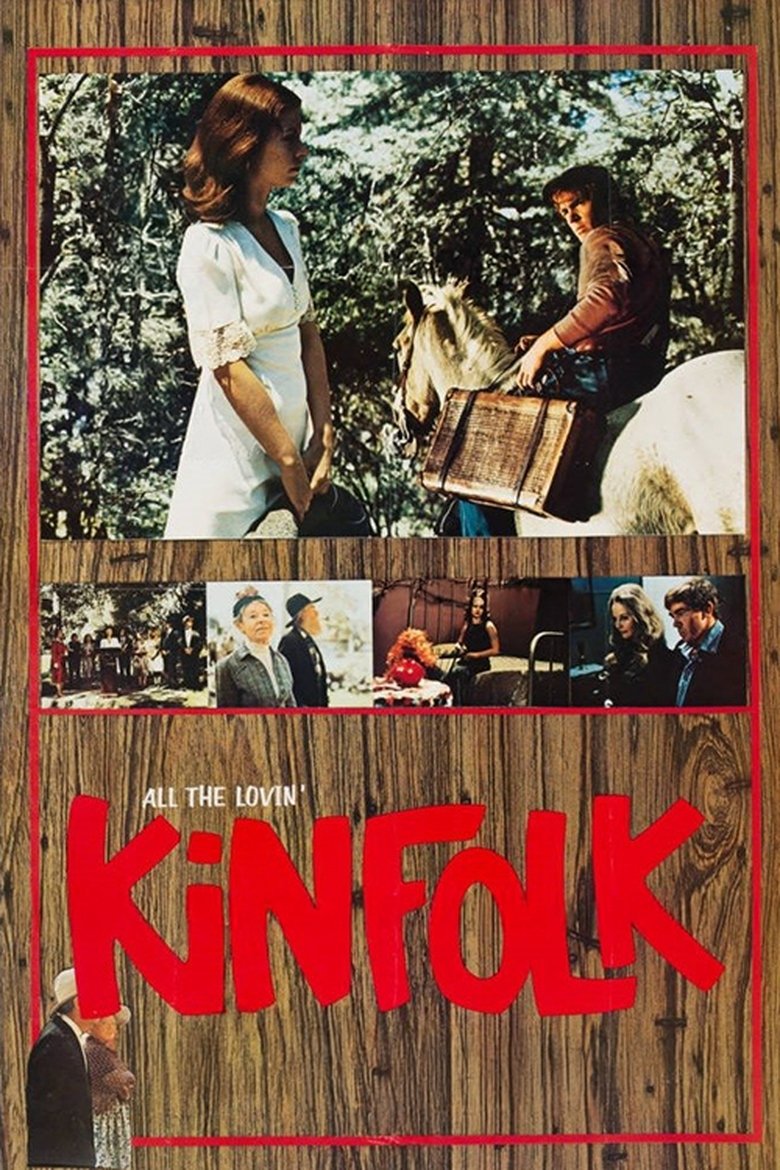
1970
RDirector
John Hayes
Runtime
84 minutes
Average Rating
No ratings yetSynopsis
Two hillbilly cousins graduate from high school and journey to the big city, where they find out that life is quite different to what they expected.
Overall Score
Limited
Category Breakdown
LGBTQ+ Representation
The film focuses on two male cousins navigating a transition from rural to urban life. There is no explicit evidence of LGBTQ+ characters or critiques of heteronormativity.
Gender Representation
The narrative centers on the male experience of two cousins. It lacks details regarding female agency or the subversion of traditional gender hierarchies.
Racial & Ethnic Diversity
The story highlights 'hillbilly cousins,' a trope typically centered on white, rural populations. While the city setting implies diversity, no characters of color are confirmed.
Religious & Cultural Diversity
The plot explores the friction between rural tradition and urban modernity. It lacks evidence of specific ideological leanings or critiques of traditional institutions.
Disability Representation
There is no information available regarding the inclusion of characters with visible or invisible disabilities.
Strengths
Areas for Improvement
AI Analysis
All the Lovin' Kinfolk follows a traditional mid-century dramatic structure centered on regional identity. The story uses a 'fish-out-of-water' trope as two cousins move from the countryside to the big city. While the urban setting provides a theoretical space for diverse encounters, the film appears to prioritize a homogeneous, male-centric perspective. The narrative lacks verifiable evidence of marginalized agency or the subversion of established social hierarchies. Ultimately, the film leans into conventional storytelling patterns common to 1970s rural-to-urban dramas, focusing on the clash of cultures rather than intersectional representation.
2007

1974

2008
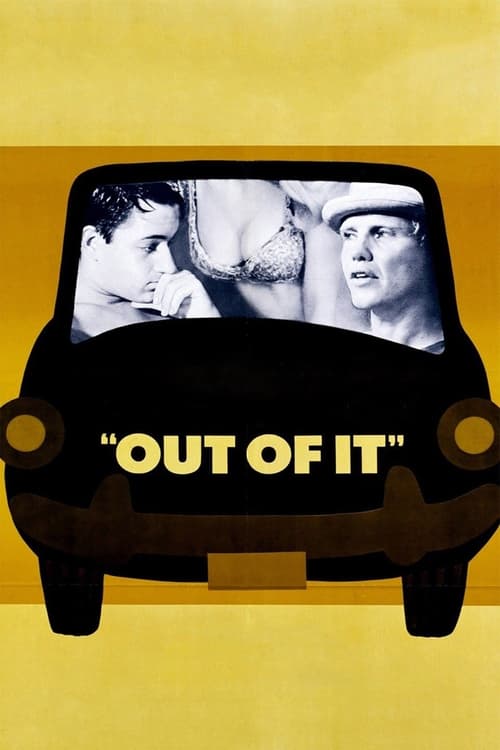
1969
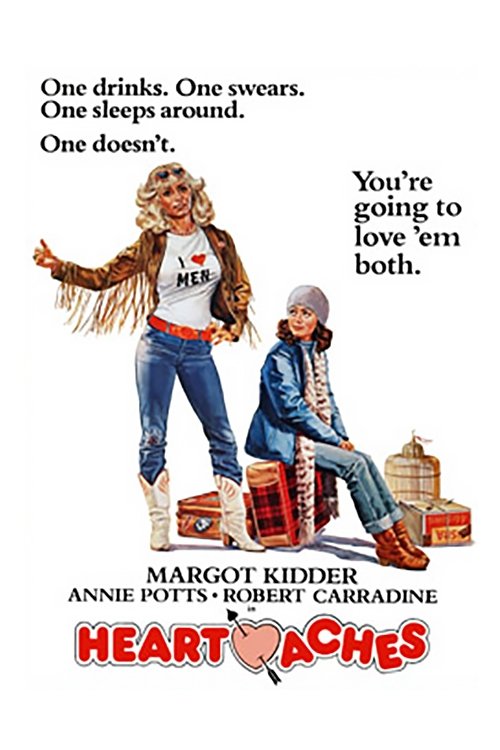
1981

1954

1981

1958

1988

1994

1964
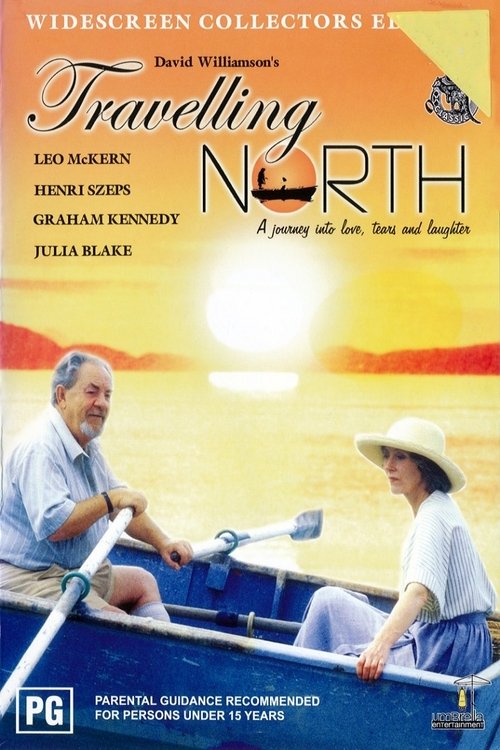
1987
No reviews yet. Be the first to share your thoughts on this movie!
Use the rating form above to leave a star rating and optional review.