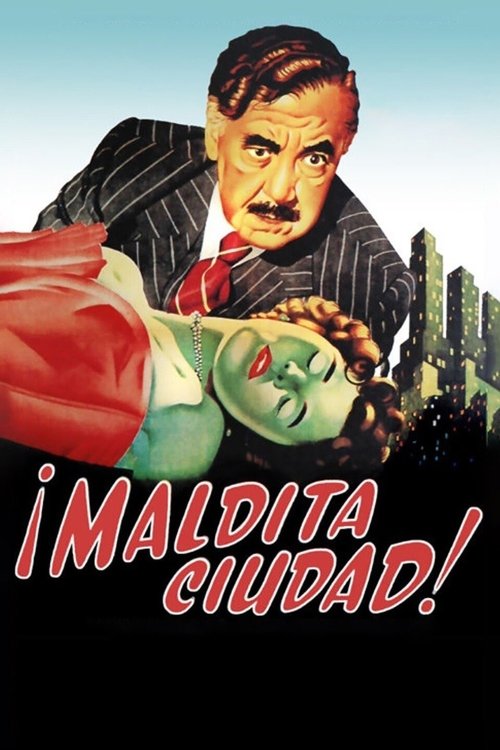
Damned City!
1954
No user ratings available yet
Representation score: 3.6 out of 10
Representation Score
Good
1981
Director
Roberto G. Rivera
Runtime
113 minutes
Average Rating
No ratings yetNew Showbiz Analysis
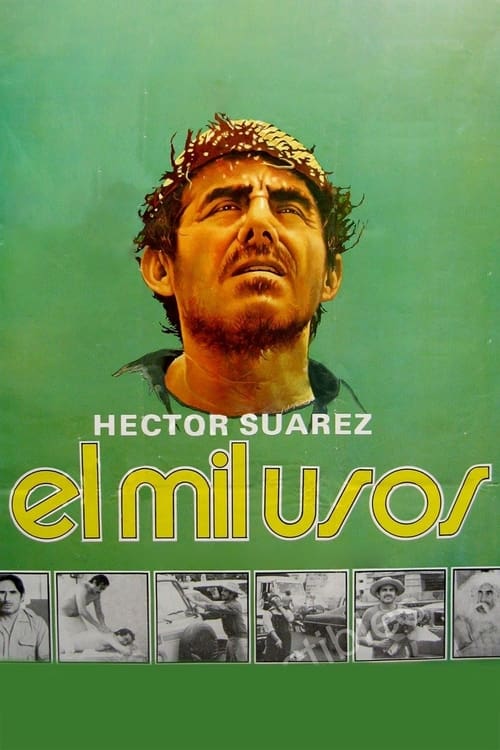
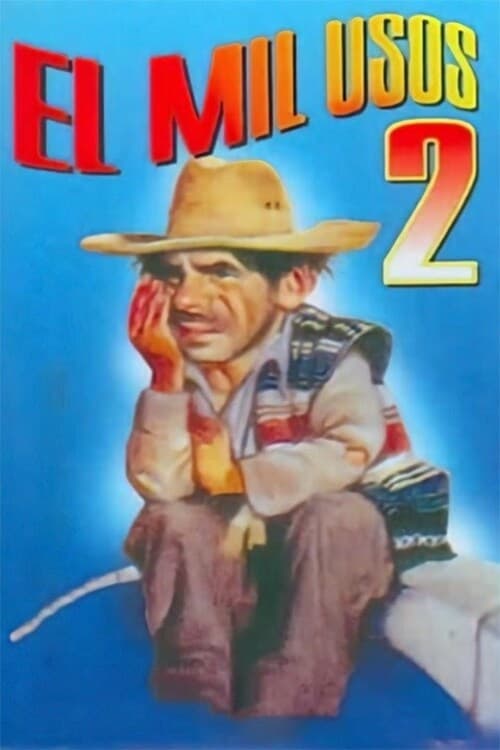
El mil usos is a work of social realism that prioritizes class struggle over identity politics. Its primary strength lies in its authentic portrayal of underrepresented ethnic identities and its sharp critique of capitalist structures. By centering the mestizo and indigenous experience, it avoids the polished, upper-class clichés of mainstream cinema. However, the film is limited by its era's social constraints. It lacks LGBTQ+ representation and adheres to traditional gender roles, focusing instead on the immediate economic pressures of the urban proletariat. The narrative's scope is narrow, prioritizing socioeconomic friction over a broader spectrum of identity-based storytelling. Ultimately, the film serves as a potent document of systemic inequality. While it misses opportunities for diverse identity representation, it succeeds in providing ability to act to working-class characters within their own socioeconomic reality.
Category Breakdown
There is no evidence of LGBTQ narratives or non-straight identities within the story.
Characters largely reflect traditional domestic roles of the 1981 setting. However, the film highlights the labor and domestic pressures women face during urban struggles.
The film centers a predominantly non-white, working-class cast, offering an authentic representation of mestizo and indigenous urban experiences. This disrupts conventional, whitewashed commercial norms.
The narrative critiques capitalist institutions and the state, portraying survival-based behaviors as systemic necessities rather than moral failings within an exploitative landscape.
The story explores the 'disability' of poverty and illiteracy. There is no specific evidence of neurodivergence or physical disability being used as a central character arc.
Present on Screen
Limited or Absent
Official Synopsis
The tragic adventures of a illiterate man named "Milusos" who leaves his family & hometown to go to the big city and try to better his luck. And finds he's unprepared for what he encounters.
1954

2013

1986
2008
1949
1984
1976

1977
No reviews yet. Be the first to share your thoughts on this movie!
Use the rating form above to leave a star rating and optional review.