A Good Fellow
2014
No user ratings available yet
Representation score: 4.4 out of 10
Representation Score
Fair
1985
Director
Nesli Çölgeçen
Runtime
101 minutes
Average Rating
No ratings yetNew Showbiz Analysis
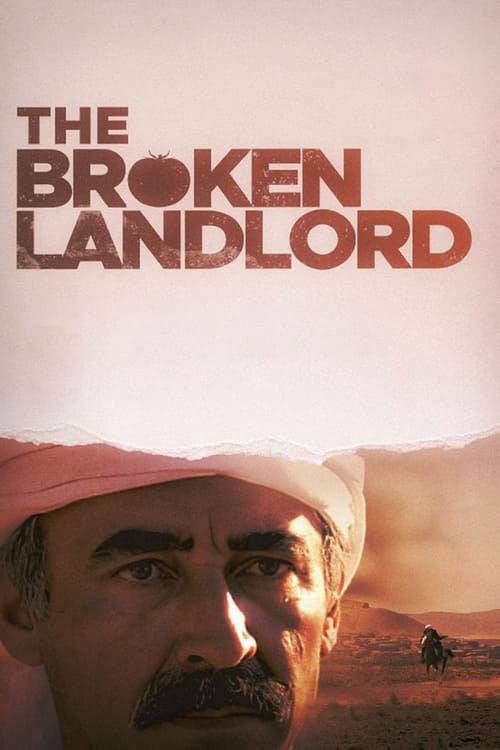
The film presents a social drama that dismantles traditional hierarchies and the erosion of feudal systems. It focuses on the conflict between agrarian life and modernization through the lens of class struggle. While the film does not include LGBTQ+ or disability representation, it offers a detailed exploration of social stratification. The portrayal of peasants challenging landowners provides a compelling study of collective action. The film effectively critiques established social institutions and the instability of traditional power structures, while remaining grounded in conventional gender and social frameworks.
Category Breakdown
The film follows a conventional straight-centered framework centered on a traditional marriage arrangement. There is no evidence of LGBTQ+ characters or non-straight-centered narratives within the plot.
The film centers around Kiraz, but her role is largely defined by the marital arrangements of men. The story critiques the collapse of the traditional 'strongman' figure.
The narrative examines social divisions and the contrast between rural and urban lifestyles. It highlights regional identity and class distinctions rather than racial diversity.
The film critiques the decline of traditional aristocratic power and the shift towards modern economic structures. It portrays the vulnerability of traditional village systems.
There are no visible or invisible disabilities that affect the narrative or characters.
Present on Screen
Limited or Absent
Official Synopsis
The landowner (Agha) of the Haraptar village marries off his old father with the young and beautiful Kiraz. But on the nuptial night, his father dies and everything starts to go bad for the Agha. Due to the long drought and provocations of Kekec Salman (big brother of Kiraz), the peasants steal the crops and run away to Istanbul. Without the peasants and crops, Agha is also forced to sell the village and move to Istanbul. But he cannot keep up with the big city life and consumes all his money and belongings. Agha's wife and relatives leave him during this downfall.
2014

2016
1986

2004
1987

1988
2014
1984
No reviews yet. Be the first to share your thoughts on this movie!
Use the rating form above to leave a star rating and optional review.