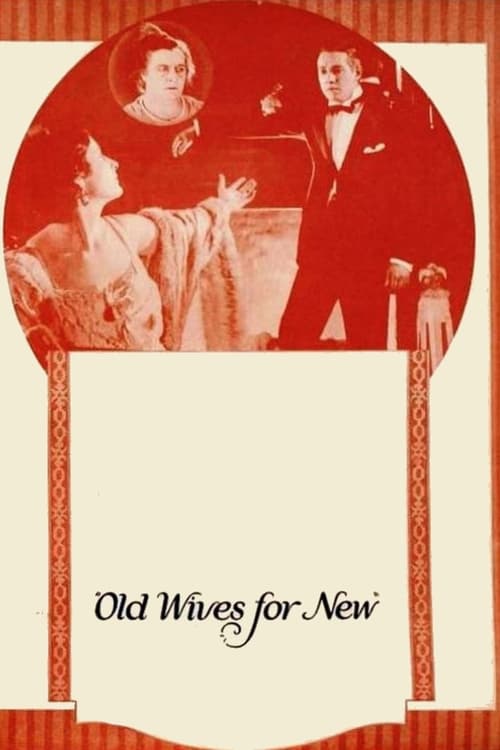
Old Wives for New
1918
No user ratings available yet
Representation score: 1.4 out of 10

Representation Score
Limited
1931
Director
Heinosuke Gosho
Runtime
57 minutes
Average Rating
No ratings yetNew Showbiz Analysis
Heinosuke Gosho’s work distinguishes itself through its commitment to naturalism, moving away from the stylized theatricality typical of early Japanese cinema. By emphasizing realistic social observation, the film provides a nuanced portrayal of human interaction. The film's primary strength lies in its subversion of traditional masculine stereotypes. The protagonist is portrayed as vulnerable and distracted, challenging the conventional patriarchal figure. Female characters are given ability to act and social intelligence, contributing significantly to the narrative. However, the film remains confined by its historical context. It lacks contemporary markers of diversity, such as LGBTQ+ identities and racial blending, staying firmly rooted in a specific, homogeneous cultural setting.
Category Breakdown
The film adheres to an assumption that everyone is straight or cisgender, with no representation of LGBTQ+ identities or non-conforming gender expressions.
The story challenges traditional masculine stereotypes through a protagonist who is vulnerable and distracted. Female characters play significant roles, using their intelligence to navigate social dynamics.
The cast is entirely Japanese, reflecting the cultural context of 1931. There is no blending of different racial backgrounds or external influences.
The film examines the tension between personal desires and societal norms. It avoids moral absolutes by highlighting the complexities of social behavior and misunderstandings among individuals.
There are no prominent depictions of disabilities that serve as central narrative drivers.
Present on Screen
Limited or Absent
Official Synopsis
A playwright moves to a rural neighborhood to avoid the distractions of the city, but he discovers there are plenty of ways to get sidetracked in his new home, too.
1918

1930
1954

1988
1932
1938
2018
1936
No reviews yet. Be the first to share your thoughts on this movie!
Use the rating form above to leave a star rating and optional review.