Sunset Murder Case
1938
No user ratings available yet
Representation score: 1.9 out of 10
Representation Score
Limited
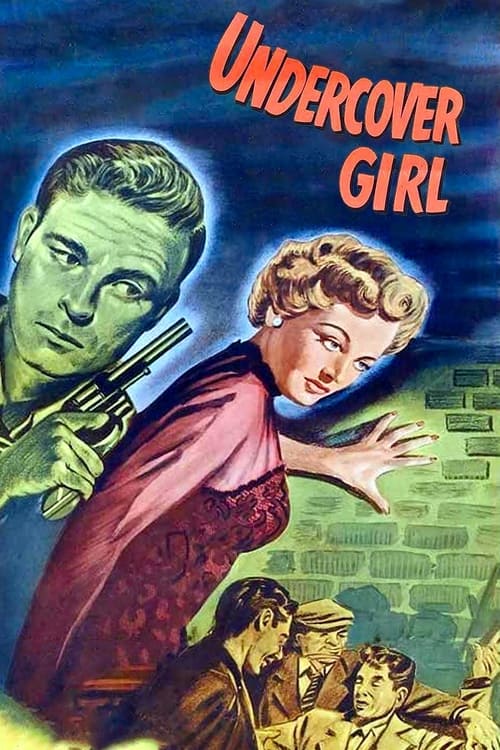
1950
NRDirector
Joseph Pevney
Runtime
83 minutes
Average Rating
No ratings yetNew Showbiz Analysis
Undercover Girl is a product of the 1950s studio system, emphasizing conventional mystery structures over social critique. While featuring a female lead, the film adheres to the era's restrictive social and cinematic norms. The narrative centers on a daughter seeking justice through police institutions, reinforcing traditional views of authority and family. This focus limits the film's capacity for complex diversity.
Category Breakdown
The film does not explicitly include LGBTQ+ characters, likely due to the era's strict adherence to censorship rules.
A female protagonist drives the plot through her quest for justice. However, her role as an undercover officer may adhere to traditional 1950s gender roles.
The production reflects the homogeneous casting typical of 1950s crime dramas, focusing on a predominantly white cast.
The story upholds traditional Western values regarding law, order, and family sanctity, aligning with established social norms.
There is no evidence of characters with physical or neurodivergent disabilities within the film's narrative.
Present on Screen
Limited or Absent
Official Synopsis
After her father is murdered, a girl joins the police force in an effort to track down the killers.
1938
1948
1956
1949
1949

1944
1947

1963
No reviews yet. Be the first to share your thoughts on this movie!
Use the rating form above to leave a star rating and optional review.