
A Lost Lady
1934
No user ratings available yet
Diversity score: 2.8 out of 10
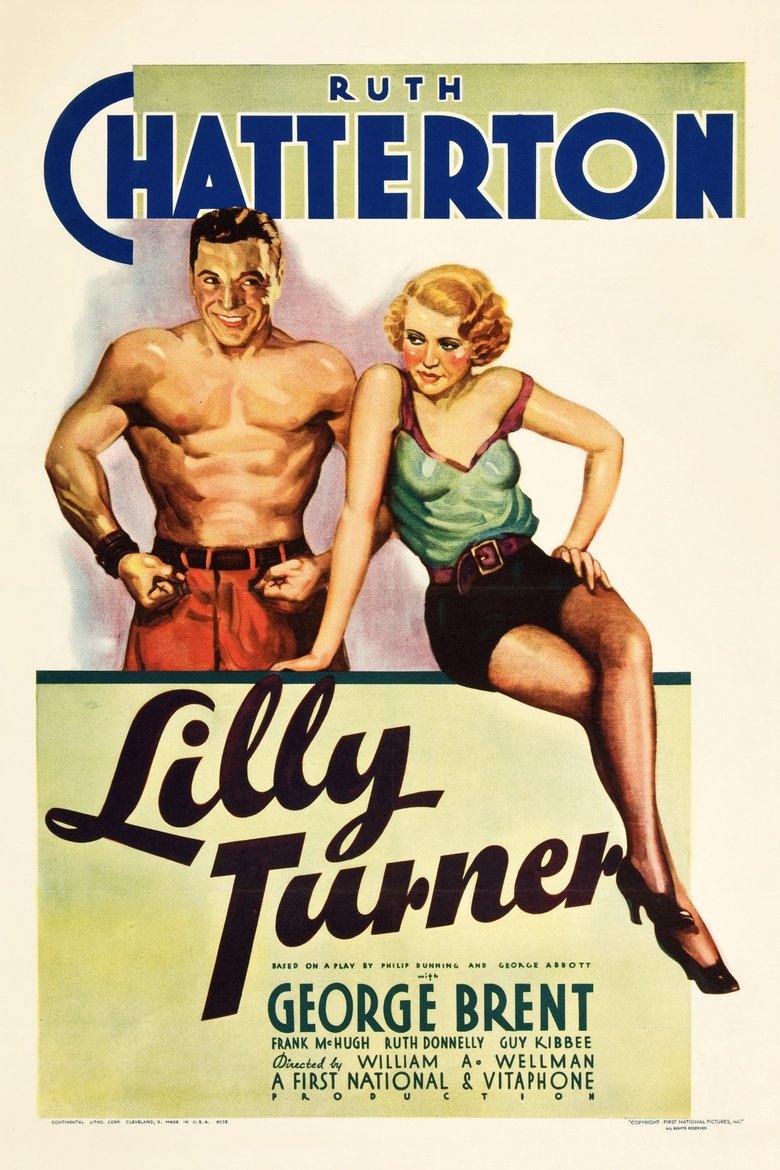
1933
PassedDirector
William A. Wellman
Runtime
65 minutes
Average Rating
No ratings yetSynopsis
One woman faces many trials on the road to romance after unwittingly marrying a bigamist, then a carnival barker, and then falling for a young engineer.
Overall Score
Limited
Category Breakdown
LGBTQ+ Representation
The narrative focuses entirely on heterosexual romantic pursuits. There is no evidence of non-heteronormative identities or critiques of heteronormativity.
Gender Representation
A woman drives the central plot, providing a degree of female agency. However, her journey is defined by relationships with men, following traditional romantic tropes.
Racial & Ethnic Diversity
The film appears to follow the homogeneous casting standards of 1930s Hollywood. There is no indication of a diverse or non-Anglo-Saxon cast.
Religious & Cultural Diversity
The story centers on traditional social institutions like marriage. It lacks any evidence of systemic, secularist, or anti-capitalist critiques.
Disability Representation
The film provides no mention of characters with visible or invisible disabilities.
Strengths
Areas for Improvement
AI Analysis
Lilly Turner is a conventional romantic melodrama that adheres to the social structures of the early 1930s. While the film centers on a female protagonist, her character arc is largely defined by her interactions with various men, including a bigamist and a carnival barker. The narrative lacks intersectional complexity, focusing instead on interpersonal trials and romantic instability. It functions as a standard period drama rather than a work that subverts established social hierarchies or explores diverse identities. Ultimately, the film reflects the era's typical storytelling patterns, prioritizing traditional romance over systemic critique or diverse representation.
1934

1925

1931

1932

1949

1928
1933

1934

1932

1931

1945

1925
No reviews yet. Be the first to share your thoughts on this movie!
Use the rating form above to leave a star rating and optional review.