
Brass Knuckles
1927
No user ratings available yet
Representation score: 0.7 out of 10
Representation Score
Limited
1919
Director
John Francis Dillon
Runtime
47 minutes
Average Rating
No ratings yetNew Showbiz Analysis
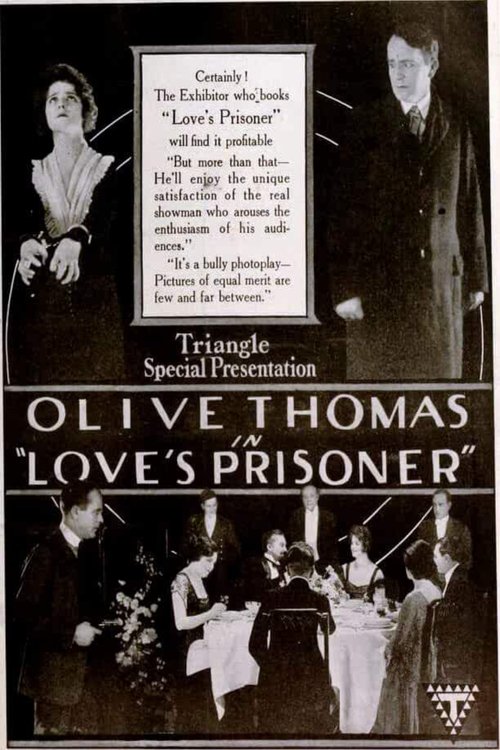
Love's Prisoner is a product of its 1919 setting, adhering to the standard dramatic structures of the silent film era. While the female lead exhibits a degree of independence through her criminal persona, the film ultimately upholds traditional social and romantic hierarchies. The narrative lacks depth in addressing multiple aspects of diversity, focusing instead on a conventional crime-to-redemption arc. The resolution emphasizes the sanctity of marriage and legal compliance over any meaningful subversion of the status quo.
Category Breakdown
The film does not include any characters with non-straight or non-cisgender identities, nor does it show any same-sex intimacy. The main romance follows a typical storyline between a female lead and a male detective.
The protagonist, known as 'The Bird,' subverts gender norms by being a skilled criminal. However, her story concludes with her submitting to the law and entering a traditional marriage.
The story follows a common cliché of the time, moving from tenements to upper-class society. The cast is predominantly white, with no evident racial diversity.
The plot serves as a moral tale emphasizing personal responsibility. It focuses on social reintegration through marriage, rather than challenging systemic authority.
There are no characters with physical or cognitive disabilities in the film.
Present on Screen
Limited or Absent
Official Synopsis
A young lady, who "hates the law" rises from the tenements to society. Financial reverses lead her to commit a series of burglaries as "The Bird". She becomes involved with the detective investigating the burglaries. After she confesses and pays for her crimes, they marry.
1927

1933

1930

1934

1927

1938
1932

1915
No reviews yet. Be the first to share your thoughts on this movie!
Use the rating form above to leave a star rating and optional review.