
El baile de las ánimas
1994
No user ratings available yet
Diversity score: 4.6 out of 10
2022
Director
Lorena Durán
Runtime
12 minutes
Average Rating
No ratings yetSynopsis
When an electrical job goes wrong, a cynical electrician must accept help from a spirit to bury the evidence of a fatal accident.
Overall Score
Fair
Category Breakdown
LGBTQ+ Representation
The film focuses on maternal bonds and domestic life within a mid-century Spanish context. There is no explicit evidence of LGBTQ+ characters or non-cisnormative identities driving the plot.
Gender Representation
The narrative disrupts traditional hierarchies by centering the female experience. It explores the domestic sphere as a place of constraint, offering a nuanced view of female agency under patriarchy.
Racial & Ethnic Diversity
The cast is predominantly white, reflecting the historical setting of 1950s Spain. The film does not utilize color-blind casting or non-white protagonists to challenge this homogeneity.
Religious & Cultural Diversity
The film critiques the oppressive nature of the Francoist regime and National-Catholicism. It highlights the friction between personal truth and the state-imposed morality of the era.
Disability Representation
There is no significant evidence regarding the portrayal of physical or neurodivergent disabilities. No characters appear to be utilized as subjects of mockery or plot devices.
Strengths
Areas for Improvement
AI Analysis
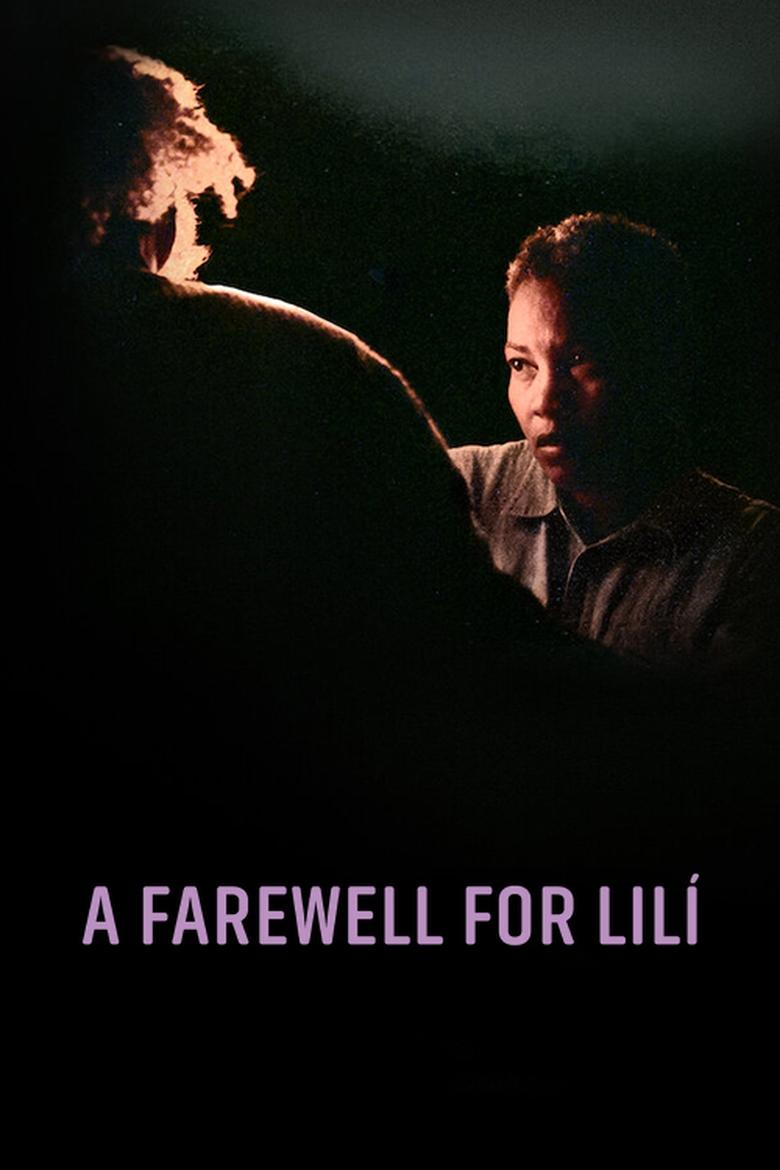
A Farewell for Lilí serves as a historical interrogation of power dynamics in 1950s Spain. It succeeds in deconstructing mid-century authoritarianism by focusing on the lived experiences of women under systemic pressure. The film uses its period setting to critique religious hegemony and state-imposed morality. However, the film remains demographically traditional. The lack of racial and LGBTQ+ diversity is a byproduct of its historical focus, which maintains the era's socio-political homogeneity. While it avoids derogatory tropes, it does not actively introduce diverse identities to challenge the setting. Ultimately, the work is a sophisticated critique of Western institutions. It trades broad demographic variety for a deep, thematic exploration of how restrictive social structures impact individual memory and agency.
1994

2022

2014

2020
2010

2024

2022
2010

2019
2010

2018

2020
No reviews yet. Be the first to share your thoughts on this movie!
Use the rating form above to leave a star rating and optional review.