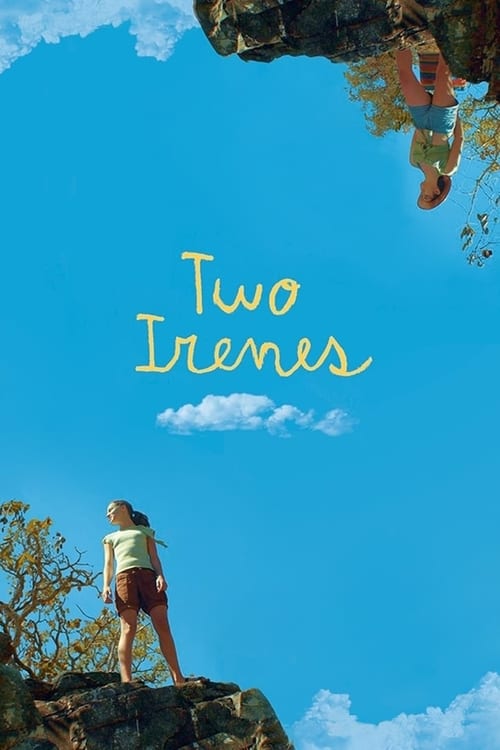
Two Irenes
2017
No user ratings available yet
Diversity score: 6.6 out of 10

2010
Director
Marina Meliande, Felipe Bragança
Runtime
106 minutes
Average Rating
No ratings yetSynopsis
Joy is a fable about courage and youth. It tells the story of Luiza, 16 year old girl, who can not stand to hear about the end of the world… On a Christmas night, his cousin John is mysteriously shot in a street in the Lowlands and disappears into the night. Weeks later, while Luiza spends days alone in the apartment where he lives with his mother in Rio de Janeiro, a mysterious visitor comes knocking on your door: John, as a ghost, asking to hide there.
Overall Score
Good
Category Breakdown
LGBTQ+ Representation
The film explores non-traditional domestic arrangements through a spectral visitor seeking refuge. While specific queer identities are not explicitly confirmed, the narrative departs from heteronormative stability.
Gender Representation
Luiza, a sixteen-year-old girl, serves as the narrative's central driver. Her agency in hosting a mysterious visitor dictates the plot's momentum and psychological landscape.
Racial & Ethnic Diversity
Set in Rio de Janeiro, the story engages with a multi-ethnic urban landscape. The setting provides a non-Anglo-centric framework that reflects Brazilian socio-economic textures.
Religious & Cultural Diversity
The fable-driven premise challenges conventional views on life, death, and domestic sanctity. It prioritizes philosophical inquiry and existential anxiety over traditional religious or moralistic didacticism.
Disability Representation
There is no explicit mention of physical or neurodivergent disabilities. The ghost element may serve as a metaphor for trauma, but no specific representation is confirmed.
Strengths
Areas for Improvement
AI Analysis
The film distinguishes itself through a non-linear, fable-like structure that prioritizes the internal emotional truth of its teenage protagonist. By centering on Luiza's psychological response to loss and existential dread, the narrative avoids traditional heroic arcs in favor of subjective experience. While the film lacks explicit evidence regarding specific LGBTQ+ or disability representation, it subverts mainstream tropes through its unconventional character dynamics and setting. The focus on a young woman's agency and the complex urban backdrop of Rio de Janeiro provides a meaningful departure from Western-centric storytelling norms.
2017

2024

1998

2012

2022

2009

2011

2014

2013
2012

2018

2010
No reviews yet. Be the first to share your thoughts on this movie!
Use the rating form above to leave a star rating and optional review.