
Fantasma
2016
No user ratings available yet
Representation score: 4.8 out of 10

Representation Score
Fair
1994
Director
Pedro Carvajal
Runtime
0 minutes
Average Rating
No ratings yetNew Showbiz Analysis
El baile de las ánimas is a character-driven period drama that emphasizes female autonomy and the dissolution of traditional family structures. By focusing on a daughter's quest to uncover her parents' past, the film shifts away from idealized domesticity towards a more intricate view of interpersonal tensions. However, the film's adherence to historical accuracy in 1940s Spain confines its demographic scope to a narrow range. The absence of racial, ethnic, or LGBTQ+ visibility reflects the era's social uniformity, limiting the film's exploration of diverse identities. Overall, while the film provides a nuanced examination of gendered autonomy and societal constraints, it remains a traditional period piece with limited representation of systemic diversity.
Category Breakdown
The film does not show any explicit representations of LGBTQ+ identities or non-straight relationships. Given the 1940s setting, where such identities might be hidden, there is no visible representation of these identities in the film.
The story revolves around a female protagonist who gains independence after escaping a strict boarding school. With a mostly female cast, the film highlights women's perspectives and maternal relationships.
Set in 1940s Spain, the film reflects a historically homogeneous society. There is no indication of a diverse cast or intentional racial diversity.
The narrative delves into the conflict between personal desires and rigid social or religious institutions. It challenges the idealized nuclear family by examining the complexities of parental separation.
There is no documented evidence of the portrayal of physical or neurodivergent disabilities within the film's cast or synopsis.
Present on Screen
Limited or Absent
Official Synopsis
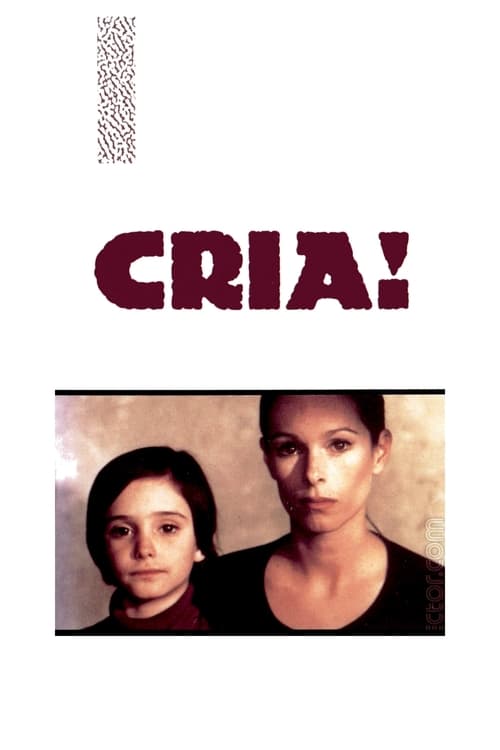
In the late 1940s, a girl runs away from the boarding school where her father has placed her to go and live with her mother, and after spending some time with her, she discovers why her parents separated.
2016
1976
1991

1960

1987

1971
1949

1977
No reviews yet. Be the first to share your thoughts on this movie!
Use the rating form above to leave a star rating and optional review.