Jamie Marks Is Dead
2014
No user ratings available yet
Representation score: 4.1 out of 10
Representation Score
Fair
2010
RDirector
Mateo Trujillo-Hobbs
Runtime
104 minutes
Average Rating
No ratings yetNew Showbiz Analysis
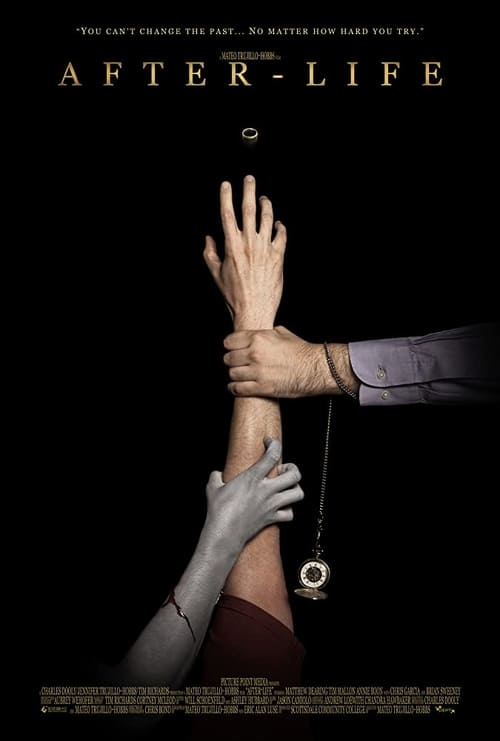
After-Life is a metaphysical drama that primarily explores the nature of identity rather than diverse social representation. Its main strength lies in its conceptual approach to the human condition, using the separation of soul and body to reflect on neurodivergence and subjective morality. However, the film focuses mainly on a single male protagonist, which centers the narrative around a traditional masculine storyline. This leaves the roles of women and the racial makeup of the cast largely undefined. Overall, the film provides a sophisticated framework for discussing the self, even though it does not engage explicitly with diverse social identities or queer characterization.
Category Breakdown
The film explores identity through the separation of soul and body, but it does not show same-sex relationships or non-cisgender identities explicitly.
The story focuses on a male character's journey toward redemption. There is not enough information about the female characters to know if the film challenges traditional gender roles.
There is not enough information to tell the racial or ethnic makeup of the cast. The cast list includes names but does not provide clear evidence of racial diversity.
The film presents the afterlife as a place where moral relativism is explored, challenging fixed religious structures. It emphasizes individualized exploration of the soul rather than divine judgment.
The separation of mind and body serves as a metaphor for neurodivergence or fragmented selfhood, allowing for a portrayal of non-standard human experiences and ability to act.
Present on Screen
Limited or Absent
Official Synopsis
Michael Paton is dead, with no recollection as to why. Separated by death, Michael's body and soul have to work together to escape the After-Life, and salvage what redemption they have left.
2014

2010
2010
2004
2014
1999
2015
1991
No reviews yet. Be the first to share your thoughts on this movie!
Use the rating form above to leave a star rating and optional review.