The Wait
2013
No user ratings available yet
Representation score: 6.6 out of 10
Representation Score
Fair
2019
Director
Kristina Grozeva, Petar Valchanov
Runtime
87 minutes
Average Rating
No ratings yetNew Showbiz Analysis
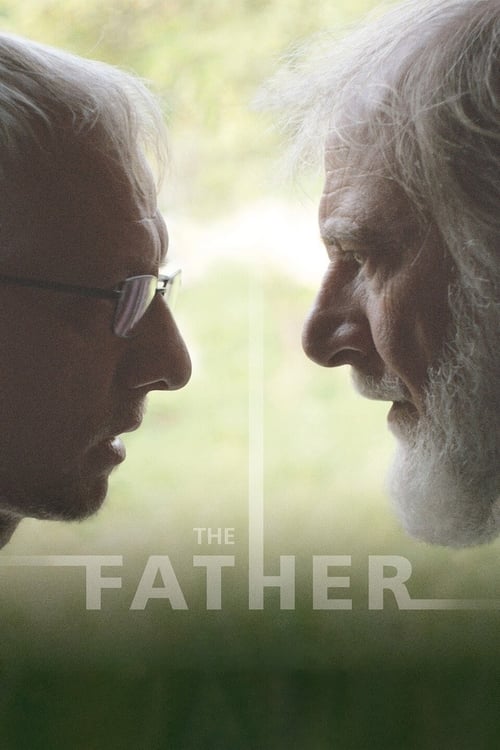
The Father is a localized, realist character study that prioritizes intimate family drama over broad social representation. It functions as a specific cultural portrait of Bulgarian grief, focusing on the breakdown of communication within a singular domestic unit. Because the film's strength lies in its grounded realism, it does not attempt to challenge social hierarchies or implement diverse demographic frameworks. The narrative architecture is built around a traditional family structure and a homogeneous social setting. Ultimately, the film's narrow focus on a specific cultural and emotional experience results in low scores across most diversity metrics, as it lacks intentional representation of underrepresented identities.
Category Breakdown
The film focuses on a traditional heterosexual relationship between Vasil and his late wife. There are no LGBTQ+ characters or narratives in this story.
The story explores the tension between masculine stoicism and pragmatic guidance. While Vasil disrupts the stable patriarch archetype through grief, the female presence is primarily felt through the absence of the deceased wife.
This Bulgarian production focuses on a homogeneous social environment. The cast and setting reflect the local demographic reality without a multi-ethnic or race-bent landscape.
Spirituality is explored through Vasil's pursuit of a psychic as a symptom of grief. The film prioritizes localized family dynamics over critiques of broader institutions or ideologies.
The narrative touches on psychological fragility and cognitive dissonance during bereavement. These are treated as universal human responses to trauma rather than specific representations of neurodivergence or disability.
Present on Screen
Limited or Absent
Official Synopsis
Vasil has just lost his long-time partner in life, his wife Ivanka. When a woman at her funeral proclaims that the dead woman called her cellphone, Vasil seeks out the help of a well-known psychic in order to try to contact his wife. His son Pavel tries to bring him to his senses, but Vasil stubbornly insists on doing things his own way… Following the internationally successful The Lesson and Glory, Grozeva and Valchanov return with an intimate family drama about the difficulties of connecting with those close to us. As the picture slowly gathers momentum, its story unfolds many of the carefully arranged absurd or comic situations typical for the Bulgarian filmmaking duo.
2013
2015
2014

2007

2018
2019
2017
2014
No reviews yet. Be the first to share your thoughts on this movie!
Use the rating form above to leave a star rating and optional review.