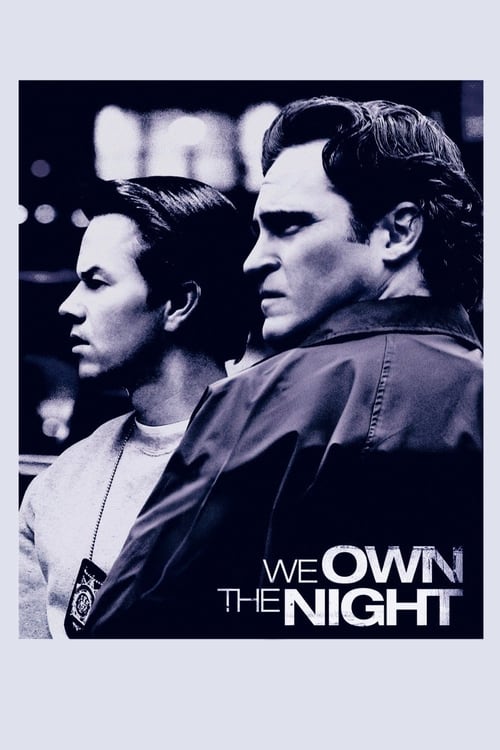
We Own the Night
2007
No user ratings available yet
Representation score: 0.9 out of 10
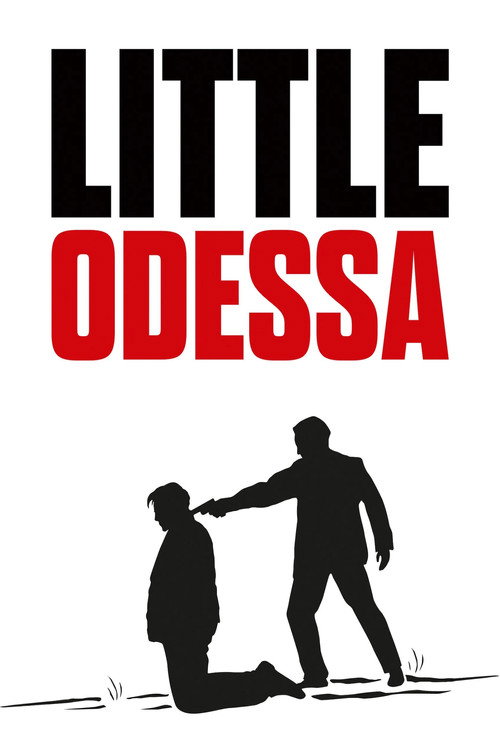
Representation Score
Limited
1994
RDirector
James Gray
Runtime
98 minutes
Average Rating
No ratings yetNew Showbiz Analysis
Little Odessa is a gritty, neo-noir character study that focuses on a specific ethnic subculture. It offers a nuanced portrayal of life on the margins of the American mainstream, avoiding simplistic representations. However, the film adheres to traditional gender roles and lacks LGBTQ+ representation, focusing instead on masculine conflict.
Category Breakdown
The film focuses on traditional family structures and masculine bonds, with no clear representation of LGBTQ+ characters or non-binary identities.
The narrative emphasizes masculine conflict and patriarchal influence, with women serving mainly as emotional anchors rather than challenging traditional gender roles.
The film delves into the Russian-Jewish immigrant community of Brighton Beach, highlighting the tensions between first- and second-generation immigrants.
It critiques the American Dream through the experiences of immigrants, showing the clash between traditional institutions and the harsh realities of systemic violence.
The film does not prominently feature characters with physical or neurological disabilities that play central roles in the plot.
Present on Screen
Limited or Absent
Official Synopsis
Long separated from his family, hitman Joshua returns to Brighton Beach for a contract killing for the Russian Mafia. His abusive father, Arkady, banned him from returning after Joshua committed his first murder. He takes up residence in a hotel, and soon everyone knows he has returned. He goes home to visit his dying mother, Irina, and prepares for the assassination, getting drawn back into the criminal community he left behind.
2007
1974
1984
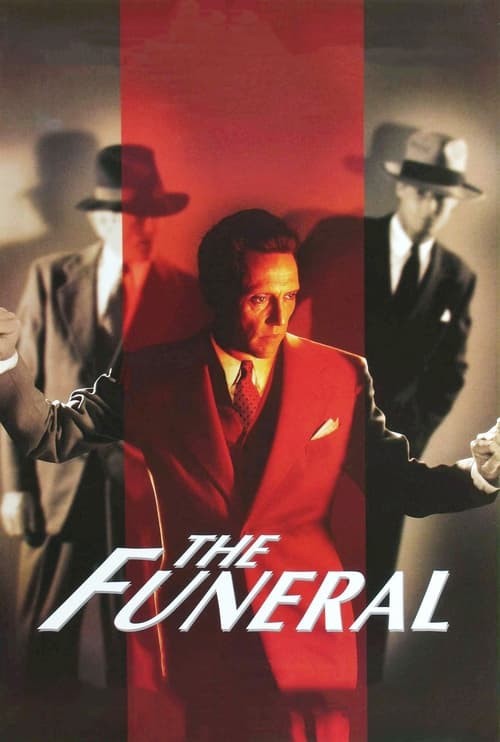
1996
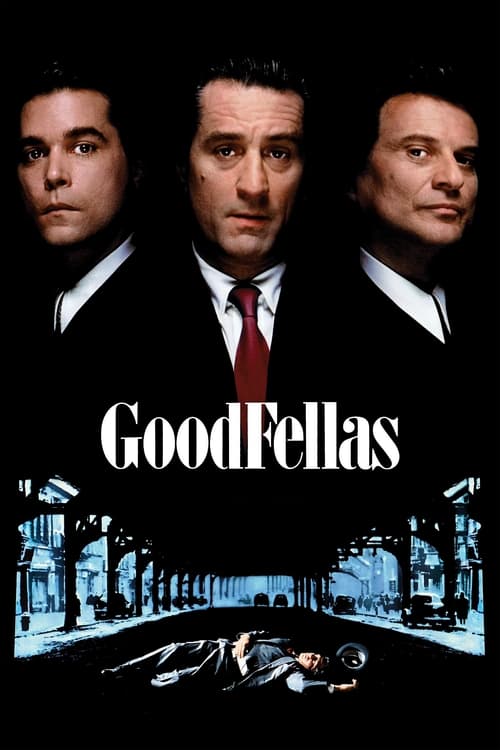
1990
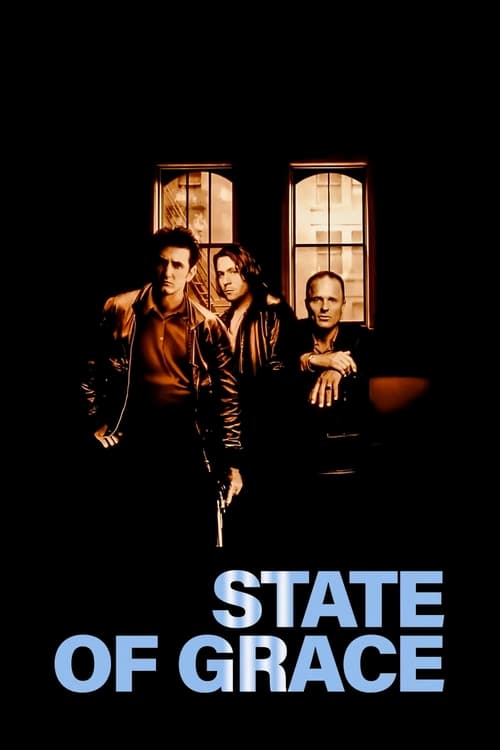
1990
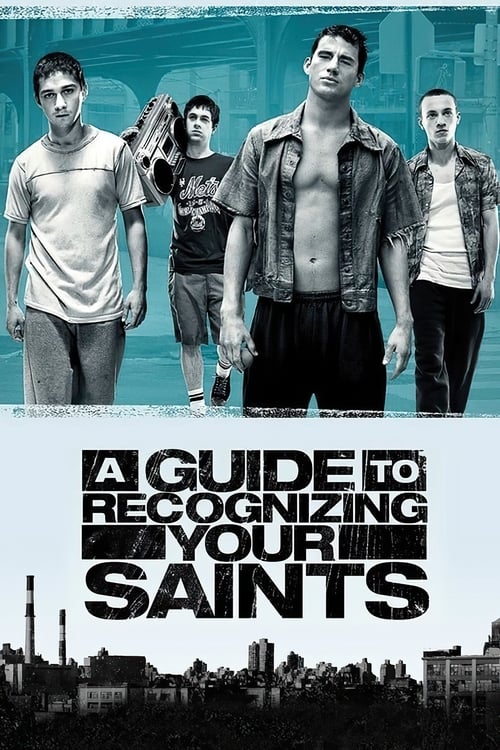
2006
1990
No reviews yet. Be the first to share your thoughts on this movie!
Use the rating form above to leave a star rating and optional review.