
The Outsider
2018
No user ratings available yet
Representation score: 4.0 out of 10
Representation Score
Limited
2000
RDirector
Takeshi Kitano
Runtime
113 minutes
Average Rating
No ratings yetNew Showbiz Analysis
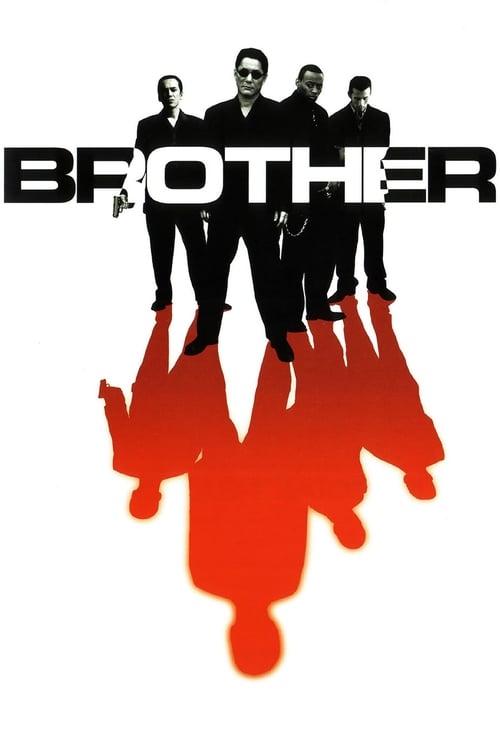
Takeshi Kitano’s *Brother* is a sophisticated exploration of diasporic identity that centers the Japanese-American experience. It uses the tension between ethnic enclaves and dominant social structures to offer a nuanced look at cultural displacement and systemic neglect. However, the film is constrained by a traditional masculine framework. The heavy focus on male-dominated hierarchies and conflicts leaves female characters in the periphery. Ultimately, the film prioritizes deep engagement with racial and cultural identity over broader social representation.
Category Breakdown
The film does not include any LGBTQ+ characters or stories about non-cisgender identities. The social landscape centers on straight and traditional family bonds.
The story focuses heavily on male-driven hierarchies and gang culture, sidelining female characters to secondary roles.
The film successfully portrays the Japanese diaspora and the economic challenges faced by immigrant communities in Los Angeles. It goes beyond including someone from a minority group without giving them real depth to explore cultural displacement.
The story critiques Western institutions by highlighting community-based self-governance. It presents the outsider's actions as a response to systemic neglect.
There are no prominent depictions of visible or invisible disabilities that serve as central narrative drivers.
Present on Screen
Limited or Absent
Official Synopsis
A Japanese Yakuza gangster's deadly existence in his homeland gets him exiled to Los Angeles, where he is taken in by his little brother and his brother's gang.
2018
1974
1989

2017

1993
1999
1999

1994
No reviews yet. Be the first to share your thoughts on this movie!
Use the rating form above to leave a star rating and optional review.