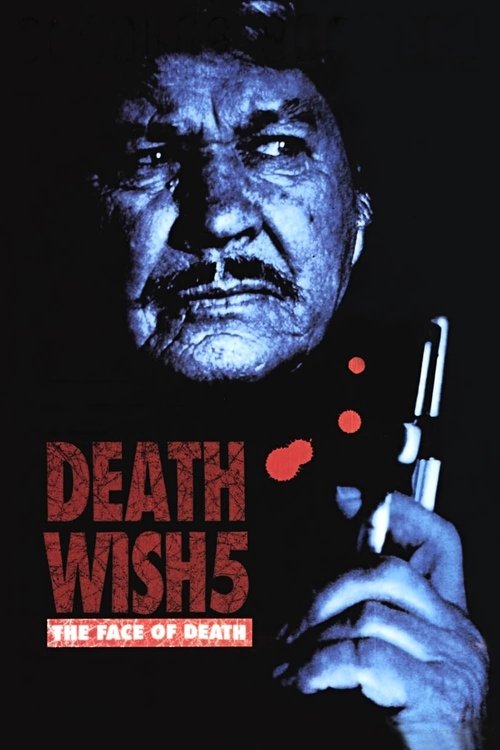
Death Wish V: The Face of Death
1994
No user ratings available yet
Representation score: 1.2 out of 10
Representation Score
Minimal
1991
RDirector
Mark DiSalle
Runtime
85 minutes
Average Rating
No ratings yetNew Showbiz Analysis
The film adheres to the established social and cinematic norms of the early 1990s. It prioritizes traditional masculine ability to act and standard action clichés over a more complex exploration of identity. While the inclusion of Korean characters adds some multicultural breadth, these roles primarily serve the plot's conflict through established antagonist motifs. The narrative lacks a nuanced exploration of identity or systemic critique. Ultimately, the film functions as a standard vigilante tale, reinforcing traditional hierarchies rather than deconstructing them.
Category Breakdown
The film follows a standard framework that assumes everyone is straight or cisgender. It does not include any narratives that challenge traditional romantic structures.
The story focuses on masculine leadership and physical dominance, with the male protagonist playing a central role in driving the plot. Women have limited influence over the story.
The film includes Korean characters and organized crime families, adding some ethnic diversity. However, these characters often serve as antagonists following common genre conventions.
The story operates within a traditional Western framework emphasizing individual justice and retribution. It does not explore systemic oppression or institutional corruption.
There are no characters with disabilities or neurodivergence. No character arcs are defined by physical or cognitive impairments.
Present on Screen
Limited or Absent
Official Synopsis
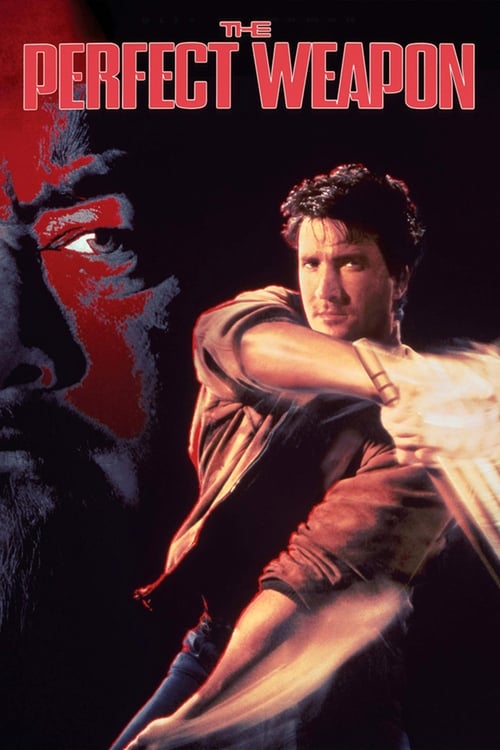
Jeff, a young delinquent, is enrolled by his father in a kenpo school, in the hopes of teaching the boy some self-discipline. Years later, Jeff's mentor, Kim, is being threatened by one of the Korean mafia families. Jeff tries to help his old friend, but is too late to prevent Kim's death at the hands of an unknown hitman. Vowing revenge, Jeff takes on all of the families, using his martial arts skills to find the man who killed his friend.
1994
1974

1982
1974
1983
1987
1987

1991
No reviews yet. Be the first to share your thoughts on this movie!
Use the rating form above to leave a star rating and optional review.