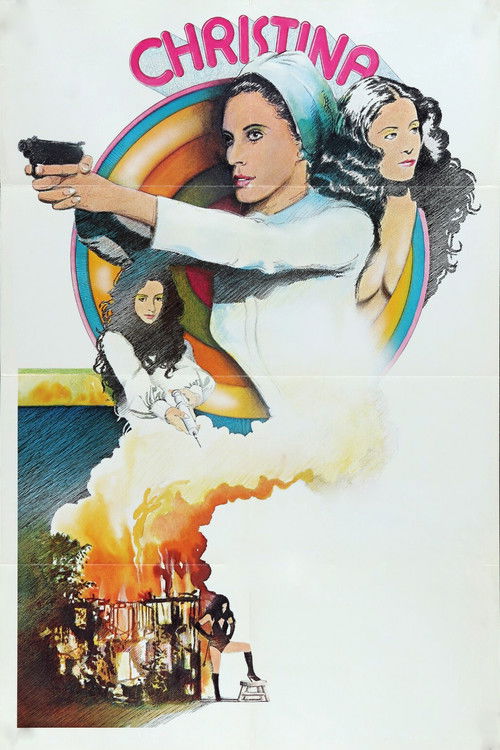
Christina
1974
No user ratings available yet
Diversity score: 3.4 out of 10
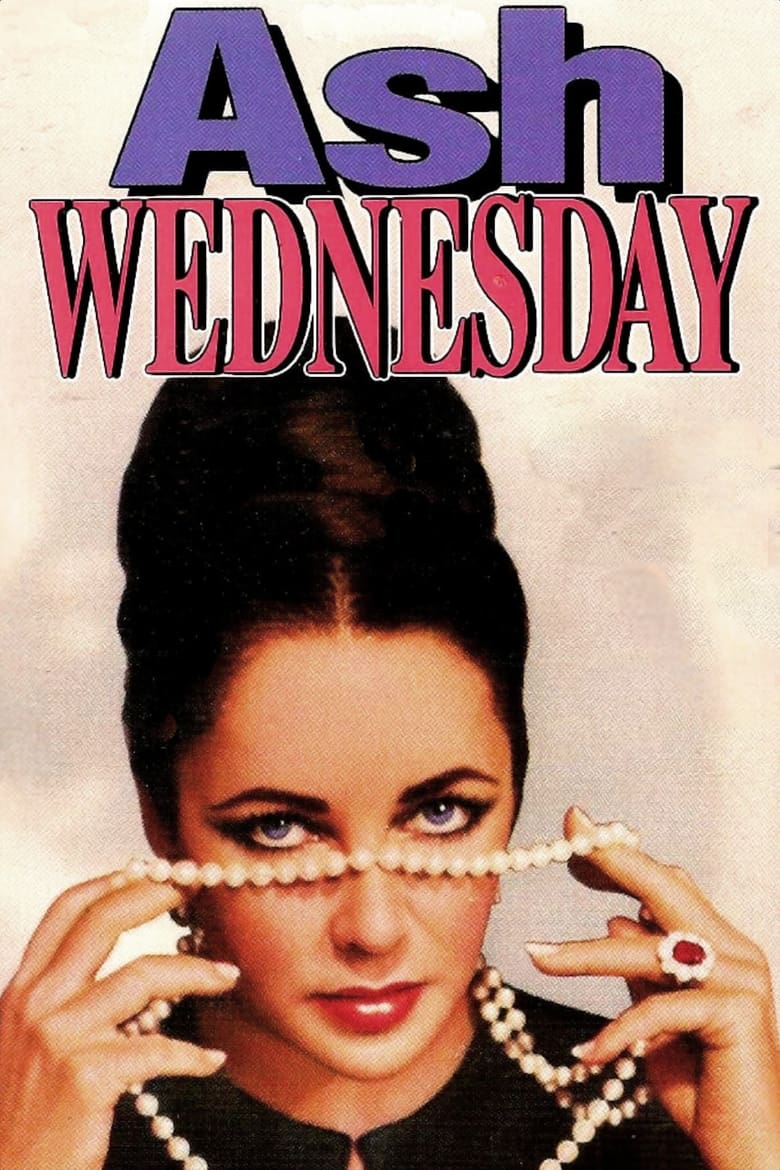
1973
PGDirector
Larry Peerce
Runtime
99 minutes
Average Rating
No ratings yetSynopsis
Barbara gets secret plastic surgery in Switzerland in an attempt to save her marriage to Mark, but he doesn't seem interested in meeting her. She checks in to a ski resort to wait for Mark, and begins getting attention from young men. Her daughter tries to warn her that even though she has had the surgery it might be too late for her marriage, but she clings to the hope that Mark will come back once he sees her new look. Meanwhile, she must decide whether or not have an affair with a young man she's met.
Overall Score
Fair
Category Breakdown
LGBTQ+ Representation
The film contains no LGBTQ+ characters or narratives. The story focuses exclusively on racial and religious tensions within the community.
Gender Representation
The plot is driven primarily by masculine-led conflict and mob energy. Women appear within conventional social hierarchies but lack significant agency to subvert them.
Racial & Ethnic Diversity
A Black character serves as the focal point for the town's systemic prejudice. This positioning allows the film to critique racial hostility and communal violence.
Religious & Cultural Diversity
The film offers a sophisticated critique of religious piety. It portrays spiritual rhetoric as a mask for anti-social behavior and institutional hypocrisy.
Disability Representation
There is no significant evidence of characters with visible or invisible disabilities driving the plot or serving as central subjects.
Strengths
Areas for Improvement
AI Analysis
Ash Wednesday functions as a deconstruction of communal morality, using a small-town setting to examine the friction between religion and systemic prejudice. It challenges the stability of Western social structures by exposing how religious rhetoric can facilitate mob violence and vigilantism. While the film provides a meaningful critique of racial hostility and institutional failure, it remains limited by its era's gender dynamics. The narrative momentum is largely propelled by male-driven conflict, leaving female characters in more traditional, less agentic roles. Ultimately, the film's strength lies in its willingness to question traditional authority. By framing the 'moral' community as a vehicle for oppression, it adopts a framework of moral relativism that exposes systemic hypocrisy.
1974
2002

1993

1959
1969

1977

1947
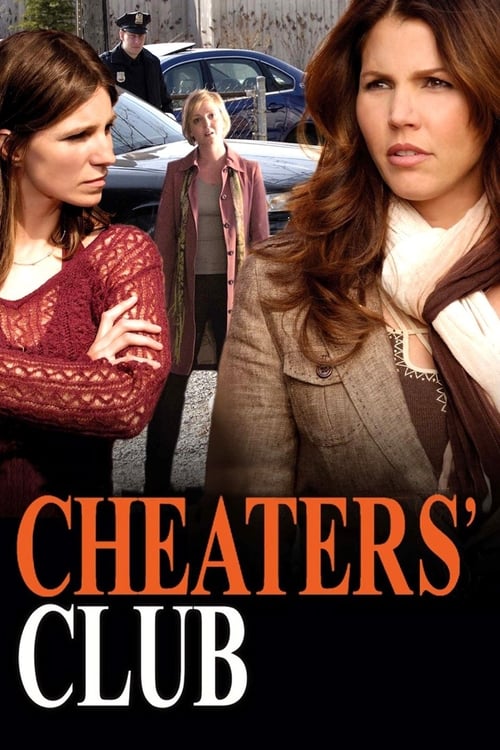
2006

1993
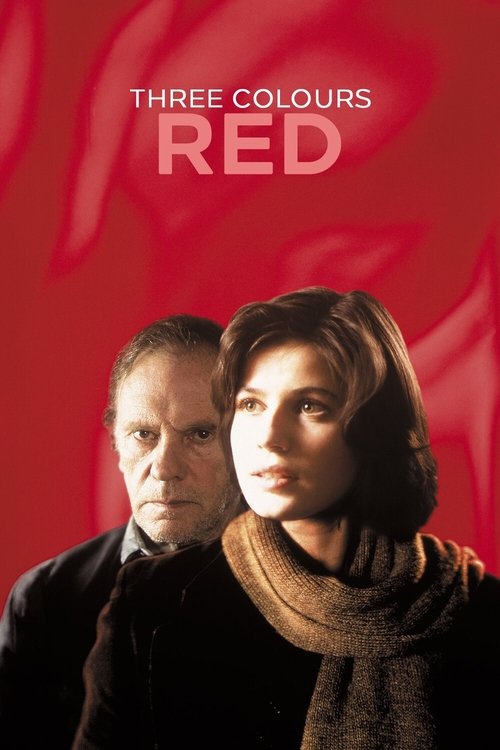
1994
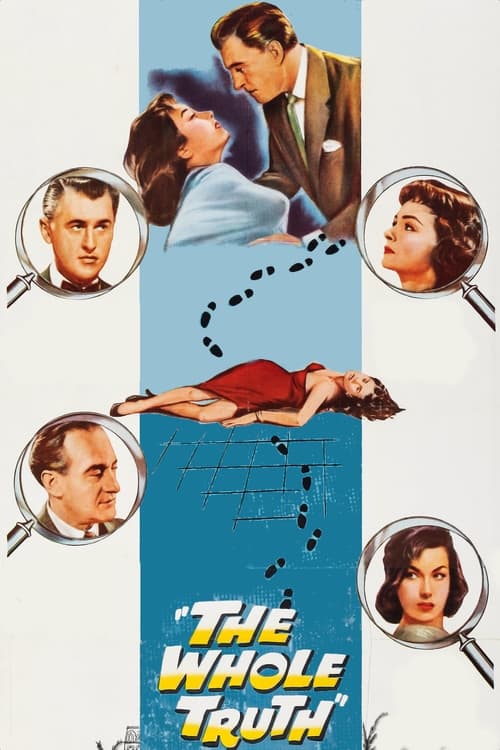
1958

1956
No reviews yet. Be the first to share your thoughts on this movie!
Use the rating form above to leave a star rating and optional review.