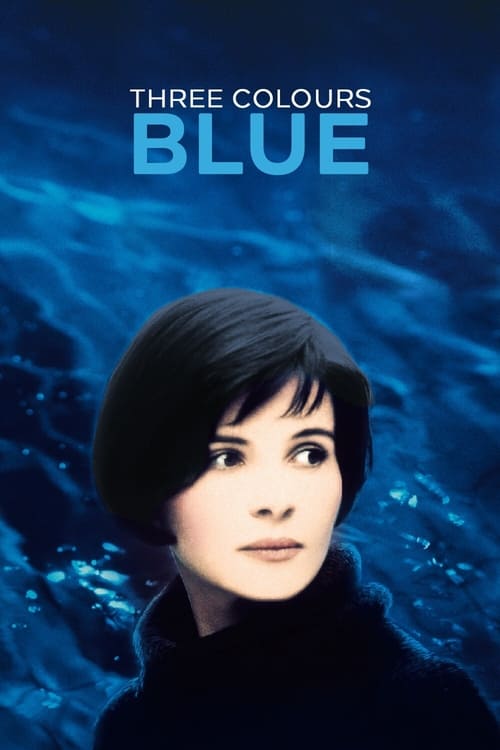
Three Colors: Blue
1993
No user ratings available yet
Representation score: 5.8 out of 10
Representation Score
Fair
1994
RDirector
Krzysztof Kieślowski
Runtime
100 minutes
Average Rating
No ratings yetNew Showbiz Analysis
Kieślowski’s work prioritizes philosophical inquiry and human interconnectedness over broad demographic representation. While it lacks representation in terms of race and sexual orientation, it excels in subverting traditional power structures. The film's strength lies in its narrative structure, which replaces the stability of institutional authority with a focus on human vulnerability. It moves away from binary morality toward a more nuanced, interconnected experience.
Category Breakdown
The film does not include any LGBTQ+ characters or storylines. The interpersonal dynamics focus on a relationship between Valentine and a retired judge, both assumed to be heterosexual.
Valentine plays a central role in driving the story, acting as an inquisitive force rather than a submissive character. The film shifts power from the Judge's institutional position to her personal experiences.
The cast is primarily white, reflecting the specific French setting. The narrative focuses on socioeconomic differences between classes rather than racial or ethnic diversity.
The story critiques the sanctity of judicial authority through a retired judge's voyeurism. It prioritizes moral relativism and human empathy over rigid legal or religious frameworks.
There are no overt depictions of physical disabilities. However, the film explores profound psychological isolation and the Judge's social withdrawal due to systemic detachment.
Present on Screen
Limited or Absent
Official Synopsis
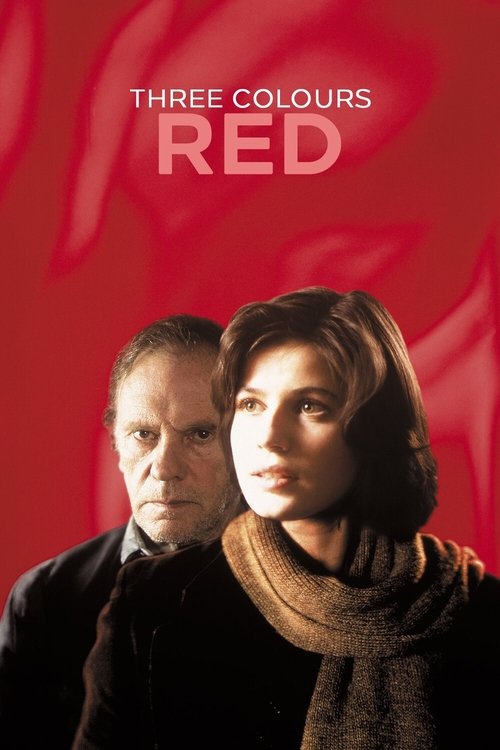
Part-time model Valentine unexpectedly befriends a retired judge after she runs over his dog. At first, the grumpy man shows no concern about the dog, and Valentine decides to keep it. But the two form a bond when she returns to his house and catches him listening to his neighbors’ phone calls.
1993
1989

1960
1980

1998
1989

1988

2000
No reviews yet. Be the first to share your thoughts on this movie!
Use the rating form above to leave a star rating and optional review.