
Love Kills
1991
No user ratings available yet
Representation score: 2.7 out of 10
Representation Score
Limited
2002
PGDirector
Nicole Barnette
Runtime
90 minutes
Average Rating
No ratings yetNew Showbiz Analysis
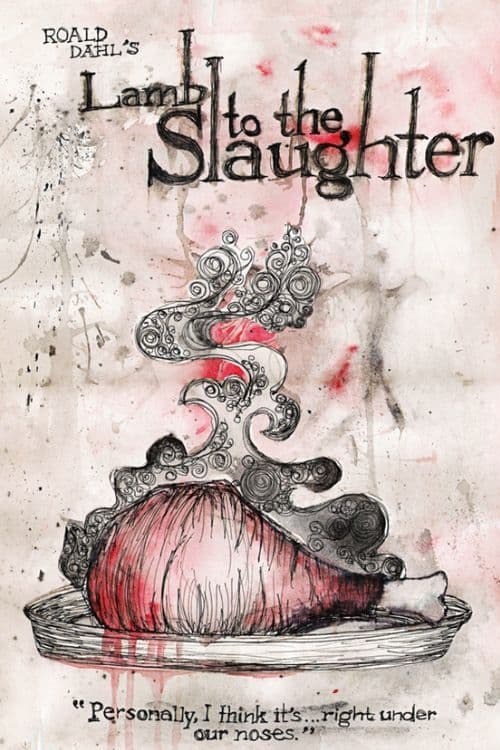
Lamb to the Slaughter is a character-driven mystery that stands out by giving the female lead a significant role in driving the story during a domestic crisis. This shifts the power dynamic away from traditional passive roles. However, the film remains limited by its narrow focus. It adheres to conventional Western domestic frameworks and lacks meaningful racial or ethnic diversity. The story focuses on individual actions rather than systemic issues. While the protagonist's ability to drive the story is a notable departure from typical gender roles, the film lacks the diverse representation needed for a more progressive score.
Category Breakdown
The plot includes an extramarital affair introducing non-straight relationships. However, the story focuses on the protagonist's response to infidelity rather than exploring LGBTQ identity.
The film centers a female protagonist who rejects passive victimhood. Her decisive actions shift the power dynamic away from her husband.
The narrative follows a conventional Western domestic structure. There is no evidence of a non-white or non-Anglo-Saxon majority cast.
The story explores moral relativism through a protagonist's transition from wife to perpetrator. It lacks a broader critique of Western institutions or systemic ideologies.
There is no evidence of characters with visible or invisible disabilities. The narrative does not engage with neurodivergence or chronic illness.
Present on Screen
Limited or Absent
Official Synopsis
A pregnant woman discovers that her husband has been having an affair, and has fallen in love with another woman. As a result, she decides to take matters into her own hands.
1991

2022

2003

2005

2013

2010

2015

2010
No reviews yet. Be the first to share your thoughts on this movie!
Use the rating form above to leave a star rating and optional review.