
La trampa
1949
No user ratings available yet
Representation score: 1.6 out of 10
Representation Score
Limited
1974
PGDirector
Paul Krasny
Runtime
98 minutes
Average Rating
No ratings yetNew Showbiz Analysis
Christina functions as a standard mid-70s genre piece, prioritizing mystery clichés over social commentary. While the plot touches on the complexities of immigration and legal status, it lacks the intentionality needed to disrupt social hierarchies. The narrative structure remains rooted in traditional archetypes. The central conflict is driven by a marriage of convenience, serving the plot rather than exploring multiple aspects of diversity or systemic issues. Ultimately, the film lacks meaningful representation across most categories, operating within the conventional demographic and social frameworks of its era.
Category Breakdown
The story centers around a traditional heterosexual marriage of convenience. There is no indication of queer relationships or non-straight identities.
Christina drives the central conflict, but the plot relies on the 'mysterious woman' cliché. The narrative follows conventional gendered mystery formulas rather than challenging them.
The film addresses immigration, but the ethnicities of the characters remain unspecified. It seems to follow the standard demographic norms of 1970s Western mystery cinema.
The plot uses immigration and legal residency as a mystery device. It explores institutional rigidity without offering a deep critique of systemic issues.
The provided context contains no mention of characters with visible or invisible disabilities.
Present on Screen
Limited or Absent
Official Synopsis
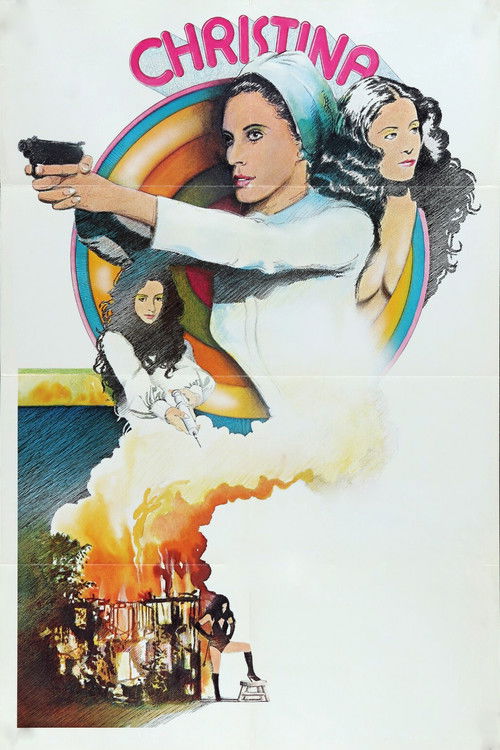
An unemployed engineer accepts a $25,000 bribe to marry a beautiful and mysterious woman so that she can stay in the United States. During their honeymoon, he starts to fall in love with her, but she suddenly disappears. When he tries to find her, it puts his life in danger.
1949
1971

1964

1971
1969
1978

1995

1986
No reviews yet. Be the first to share your thoughts on this movie!
Use the rating form above to leave a star rating and optional review.