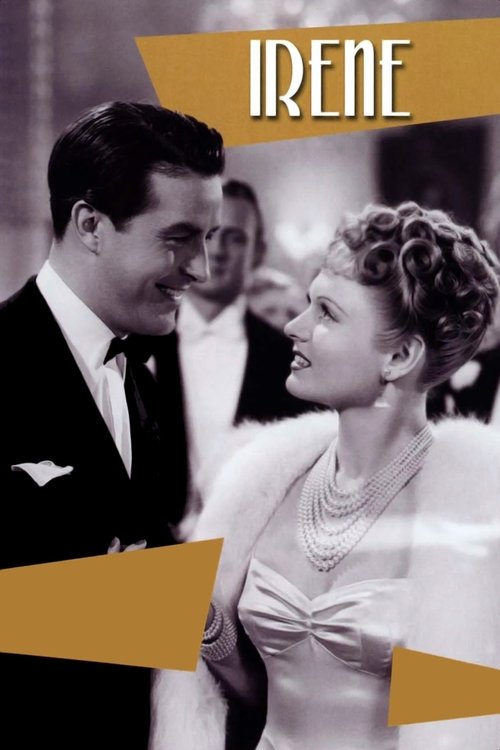
Irene
1940
No user ratings available yet
Representation score: 0.4 out of 10
Representation Score
Minimal
1939
NRDirector
Henry Koster
Runtime
84 minutes
Average Rating
No ratings yetNew Showbiz Analysis
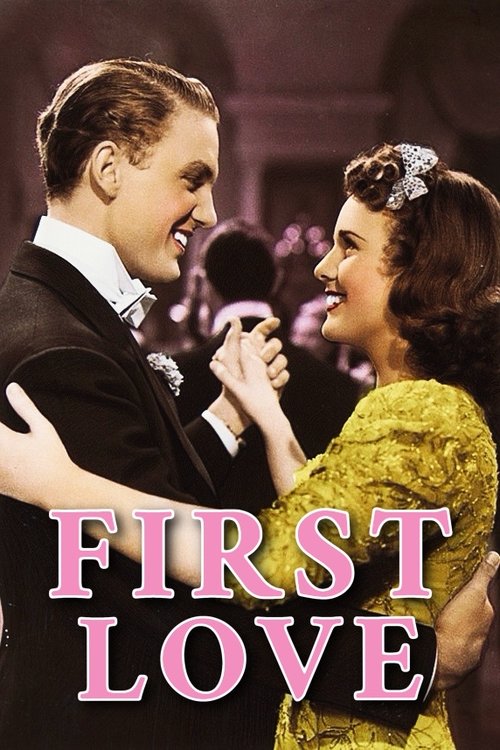
First Love is a quintessential product of the 1939 studio system, relying heavily on established social hierarchies and conventional romantic clichés. The narrative structure prioritizes a traditional Cinderella arc, which centers on class aspiration and heterosexual romance. While the protagonist displays some control in navigating her family's hostility, the film ultimately reinforces mid-20th-century gender and social norms. It lacks meaningful representation of diverse identities, focusing instead on a homogeneous, Westernized social elite. Overall, the film mirrors the era's standard of social and racial homogeneity, offering little disruption to the patriarchal or class-based status quo.
Category Breakdown
The film does not include any LGBTQ+ characters or non-cisgender identities. The story follows a traditional romantic storyline centered around a prince-like character, reinforcing heterosexual norms.
The story uses a classic Cinderella cliché, contrasting a virtuous protagonist with an antagonistic female relative. While Connie plays a significant role in the story, her happiness depends on finding a male romantic partner.
Reflecting the 1939 Hollywood studio system, the film highlights racial uniformity. The narrative focuses on a single, Westernized social elite without evidence of diverse casting.
The narrative emphasizes class aspiration and social etiquette. It reinforces the importance of family structures and social standing through a lens of romantic success.
There is no mention of physical or neurodivergent characters. The plot focuses entirely on socioeconomic and romantic conflicts, ignoring disability.
Present on Screen
Limited or Absent
Official Synopsis
In this reworking of Cinderella, orphaned Connie Harding is sent to live with her rich aunt and uncle after graduating from boarding school. She's hardly received with open arms, especially by her snobby cousin Barbara. When the entire family is invited to a major social ball, Barbara sees to it that Connie is forced to stay home. With the aid of her uncle, who acts as her fairy godfather, Connie makes it to the ball and meets her Prince Charming in Ted Drake, her cousin's boyfriend.
1940

1937
1943
1951

1951
1935
1958

1938
No reviews yet. Be the first to share your thoughts on this movie!
Use the rating form above to leave a star rating and optional review.