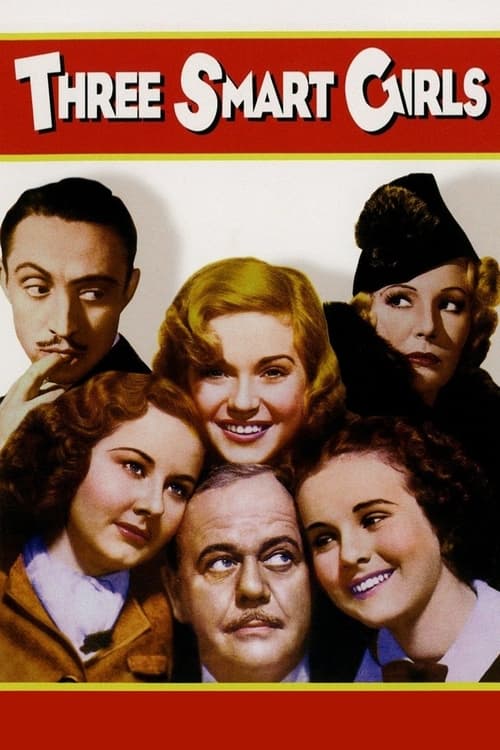
Three Smart Girls
1936
No user ratings available yet
Representation score: 1.2 out of 10
Representation Score
Minimal
1939
ApprovedDirector
Henry Koster
Runtime
90 minutes
Average Rating
No ratings yetNew Showbiz Analysis
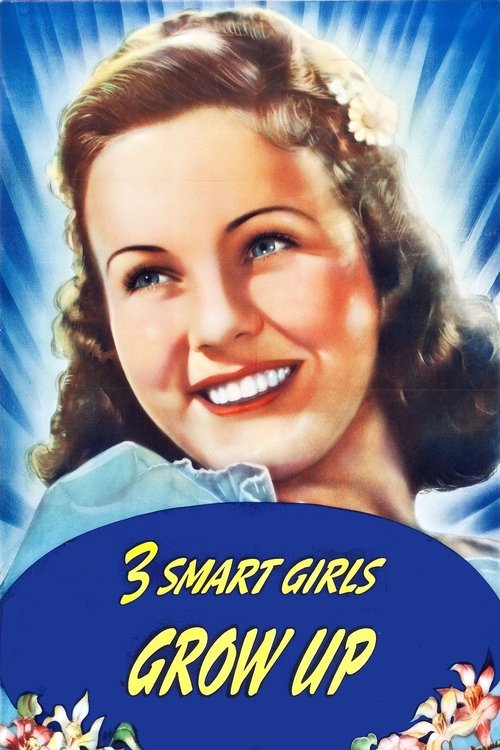
Three Smart Girls Grow Up is a classic example of 1930s filmmaking, emphasizing escapism and maintaining established social hierarchies. It focuses on white, upper-class life and excludes diverse representations. The film leans on traditional ideas about love and family, keeping women's roles centered around home and romance. It doesn't challenge the social norms of its time. Overall, the movie reinforces the racial, gender, and social norms of its era without questioning them.
Category Breakdown
The film strictly follows the social norms of the late 1930s, where everyone is assumed to be straight or cisgender. There are no characters with non-traditional gender identities or same-sex relationships.
Women play key roles in the comedy, but their influence is mostly limited to home and romance. The story upholds traditional views on love and marriage.
The movie features an all-white, upper-class cast with no characters from diverse ethnic backgrounds.
The story highlights the lifestyle of high society and emphasizes the importance of the traditional family structure.
The film does not include any characters with visible or invisible disabilities. All characters are shown as physically and socially perfect according to the standards of the time.
Present on Screen
Limited or Absent
Official Synopsis
Three sisters who believe life is going to be easy, now that their parents are back together, until one sister falls in love with another's fiancé, and the youngest sister plays matchmaker.
1936

1948
1954
1940
1939
1936

1938
1949
No reviews yet. Be the first to share your thoughts on this movie!
Use the rating form above to leave a star rating and optional review.