Village Barn Dance
1940
No user ratings available yet
Representation score: 1.8 out of 10
Representation Score
Minimal
1944
ApprovedDirector
George Marshall
Runtime
96 minutes
Average Rating
No ratings yetNew Showbiz Analysis
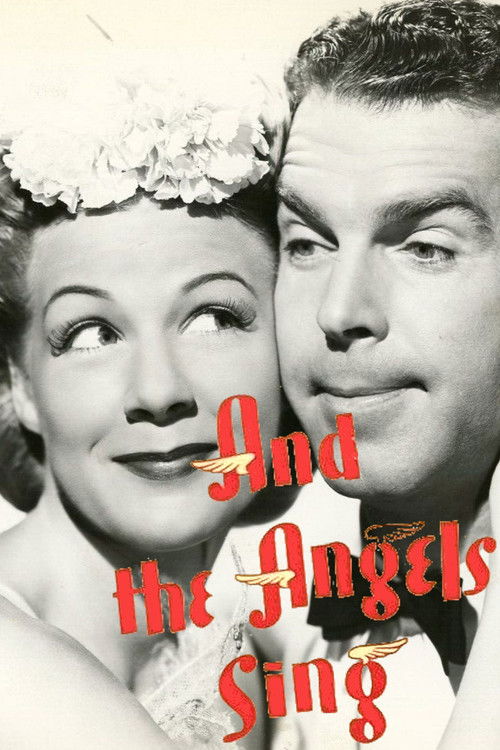
And the Angels Sing is a classic example of the mid-1940s Hollywood system. Its structure reinforces the social order of the time rather than challenging it. The film centers on sentimental community bonds and traditional family structures. The Angel sisters' roles help resolve personal and financial issues within a patriarchal society. The film presents a unified, non-challenging experience that fits the conservative standards of its era. Overall, the production reflects the limited perspective of its time, lacking in diversity and moral complexity.
Category Breakdown
The film follows the social norms of the 1940s and does not include any non-binary gender identities or same-sex relationships.
Female characters play key roles in the film, but their influence is tied to family and economic responsibilities. Romantic relationships follow the gender norms of the time.
The cast is mostly made up of people who look similar, reflecting the demographics of the era. There is no diverse casting in the main storyline.
The story highlights traditional Western values and religious institutions. It promotes a single moral viewpoint focused on community unity and stability.
There are no significant portrayals of disabilities that impact the story or deepen the characters.
Present on Screen
Limited or Absent
Official Synopsis
The singing/dancing Angel sisters, Nancy, Bobby, Josie, and Patti, aren't interested in performing together, and this plays havoc with the plans of Pop Angel to buy a soy bean farm. They do accept an offer of ten dollars to sing at a dubious night club on the edge of town where a band led by Happy Marshall is playing.
1940
1954
1943
1954
1942

1933
1936
1933
No reviews yet. Be the first to share your thoughts on this movie!
Use the rating form above to leave a star rating and optional review.