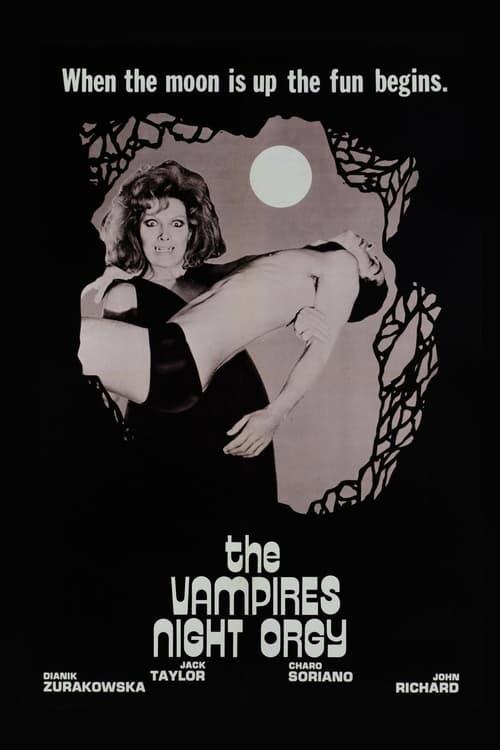
The Vampires' Night Orgy
1973
No user ratings available yet
Diversity score: 3.6 out of 10

2018
Director
Sôichi Umezawa
Runtime
81 minutes
Average Rating
No ratings yetSynopsis
Absurdity and gore ensue as a possessed pile of clay begins terrorizing students at an art school.
Overall Score
Fair
Category Breakdown
LGBTQ+ Representation
The narrative centers on a supernatural threat rather than interpersonal identity. There is no documented evidence of queer narratives or non-cisnormative gender identities.
Gender Representation
While art school settings can destabilize hierarchies, it is unclear if women possess agency or serve as victims. The film lacks evidence of systemic gender subversion.
Racial & Ethnic Diversity
As a Japanese horror production, the cast appears ethnically homogeneous. The story focuses on a localized setting without intentional racial blending or diverse casting.
Religious & Cultural Diversity
The film uses an absurdist, surrealist framework to disrupt traditional social orders. This deconstruction of reality moves away from singular, traditionalist storytelling models.
Disability Representation
There is no verifiable evidence regarding the inclusion of characters with physical or neurodivergent disabilities.
Strengths
Areas for Improvement
AI Analysis
Vampire Clay is a genre-driven exercise in absurdity and gore. Its primary focus is the visceral horror of a possessed pile of clay terrorizing art students, which leaves little room for deep character-based identity exploration. The film operates within a localized Japanese context, resulting in a largely homogeneous cast. While the absurdist style challenges traditional narrative stability, it does not appear to be a vehicle for intentional social or intersectional critique. Ultimately, the work prioritizes stylistic deconstruction and supernatural chaos over the representation of diverse social identities or systemic social frameworks.
1973
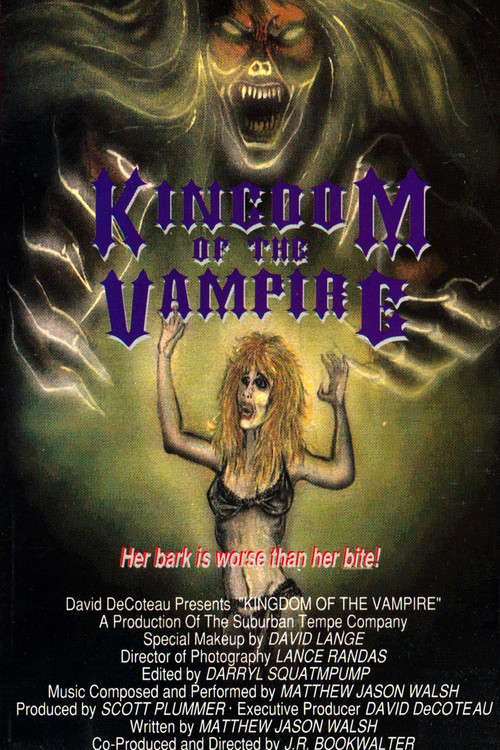
1991

2009

2018
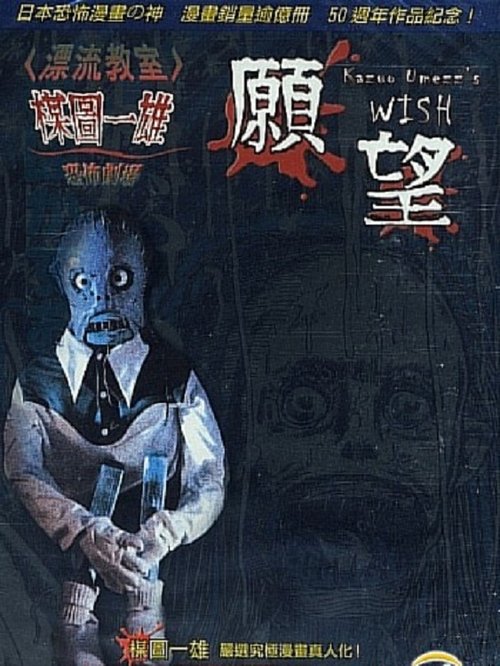
2005
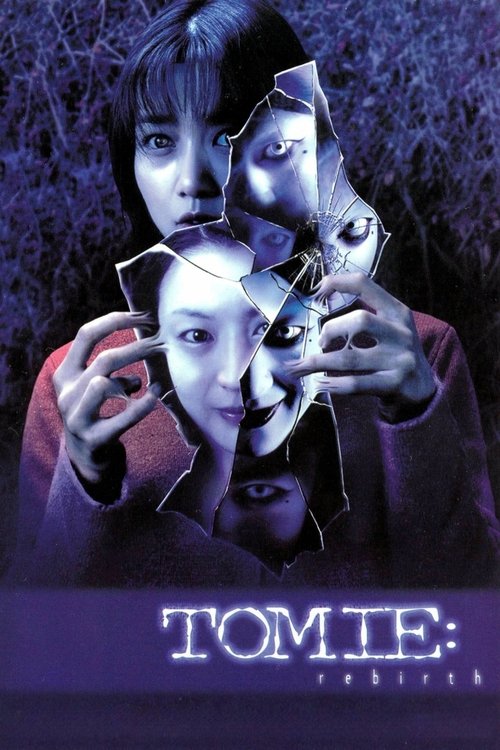
2001
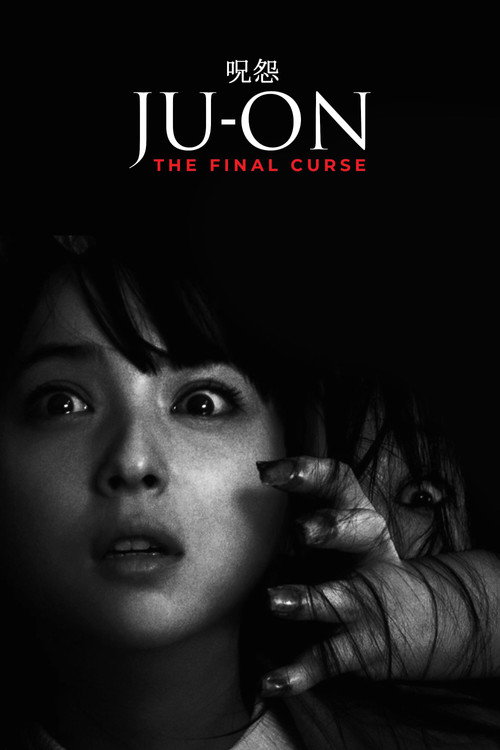
2015

2021
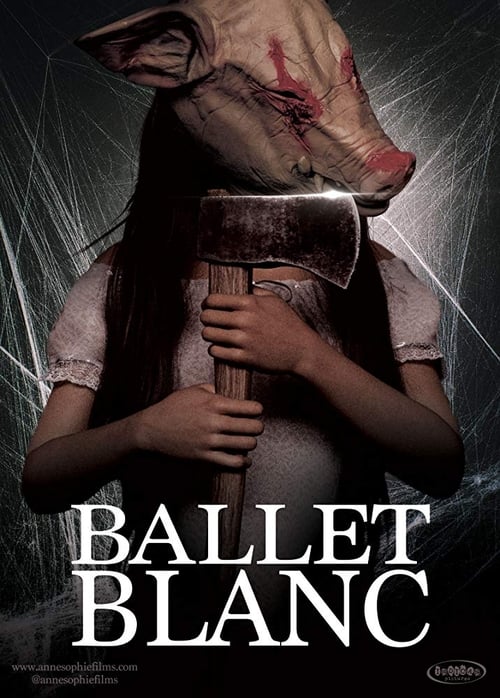
2019

2020

2016
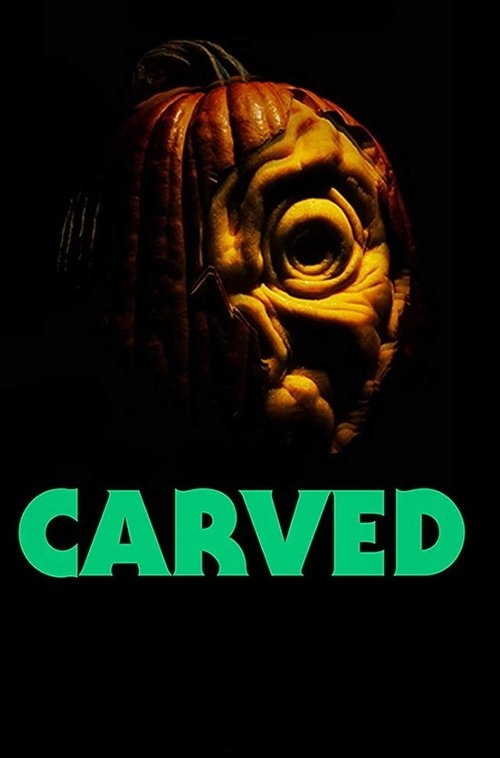
2018
No reviews yet. Be the first to share your thoughts on this movie!
Use the rating form above to leave a star rating and optional review.