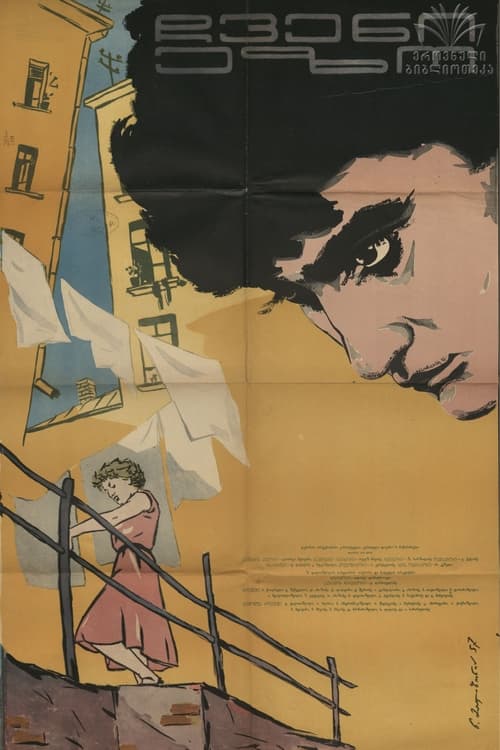
In Our Courtyard
1956
No user ratings available yet
Representation score: 4.4 out of 10
Representation Score
Limited
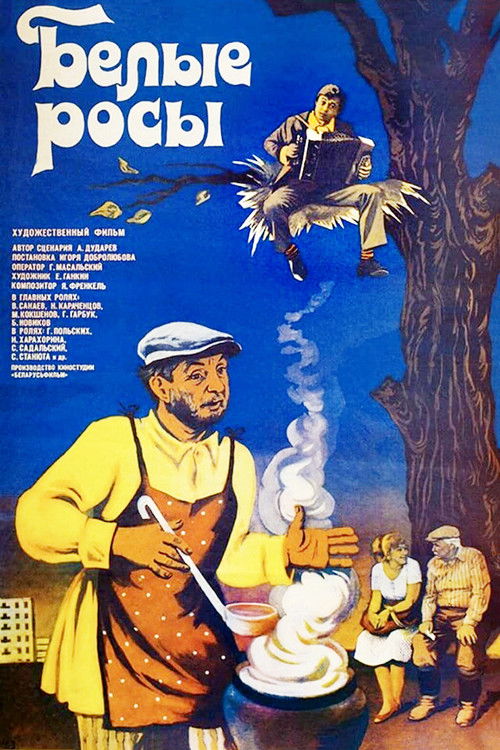
1984
Director
Igor Dobrolyubov
Runtime
89 minutes
Average Rating
No ratings yetNew Showbiz Analysis
White Dew is a traditional character study that prioritizes the stability of the domestic unit. The narrative structure follows a patriarchal line, focusing on the relationship between a village patriarch and his three sons. The film operates within a conventional social framework, emphasizing communal continuity and rural life. It lacks the complexity of multi-layered narratives or the subversion of traditional identity-driven stories found in more progressive works. Ultimately, the film serves as a comedic drama about generational bonds rather than a vehicle for exploring diverse social hierarchies or underrepresented identities.
Category Breakdown
The film does not include any characters with non-traditional gender identities. The storyline revolves around a traditional family structure involving a father and his sons.
The story centers on a male-dominated hierarchy. The main plot drivers are male figures, reflecting traditional patriarchal structures.
The cast likely reflects a homogeneous ethnic demographic consistent with its Soviet-era village setting. There is no evidence of diverse ethnic backgrounds.
The film emphasizes traditional social structures and communal continuity. It celebrates village life rather than deconstructing established social orders.
There is no indication of characters with visible or invisible disabilities. The narrative focus remains on generational family dynamics.
Present on Screen
Limited or Absent
Official Synopsis
A funny story about Fyodor - the oldest person in the village - and his three sons.
1956
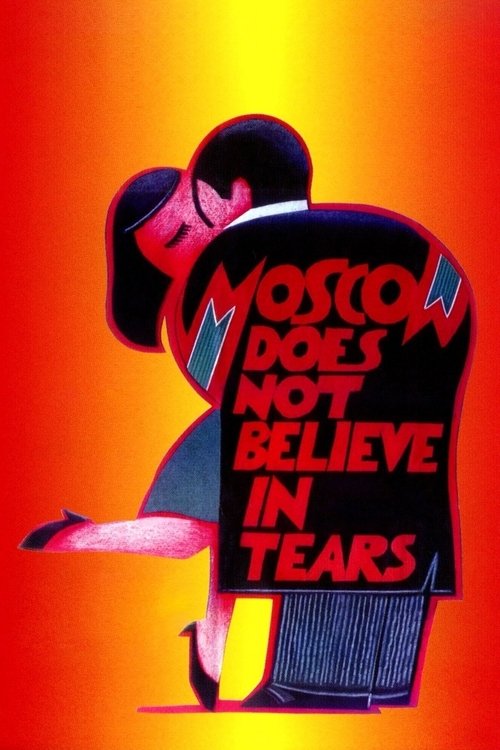
1980
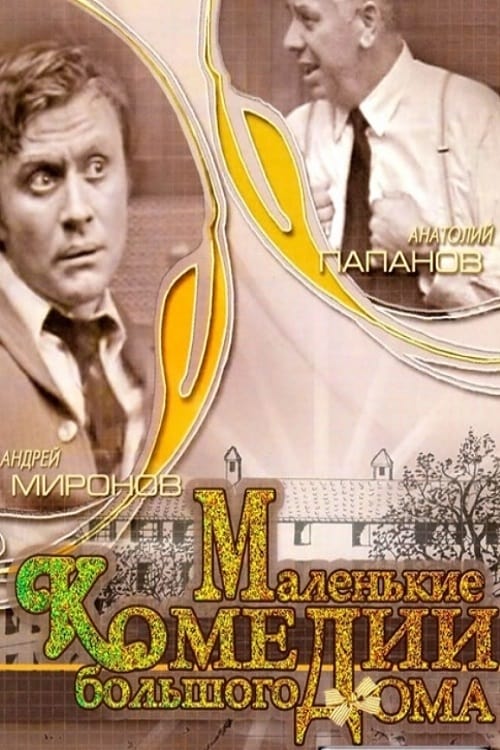
1974
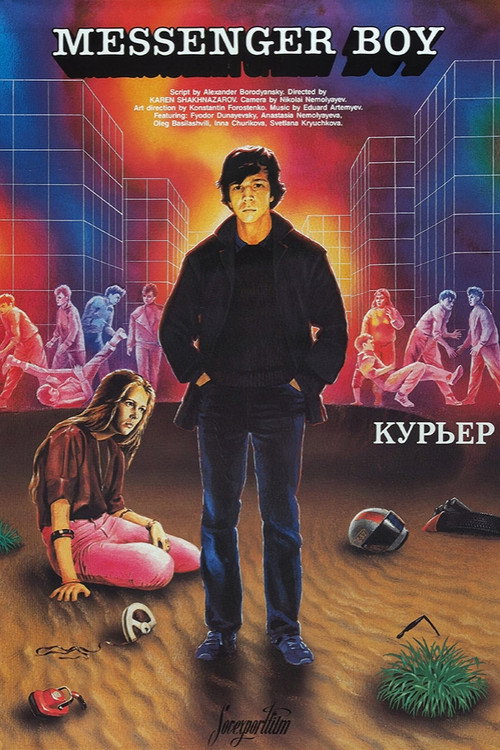
1986
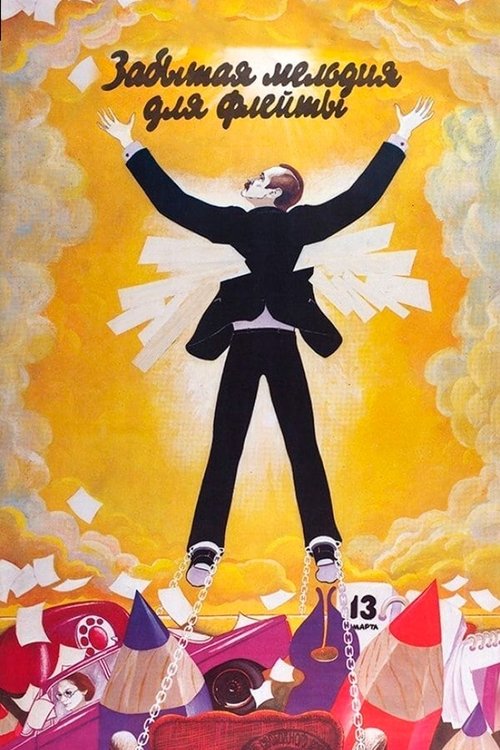
1987

2009
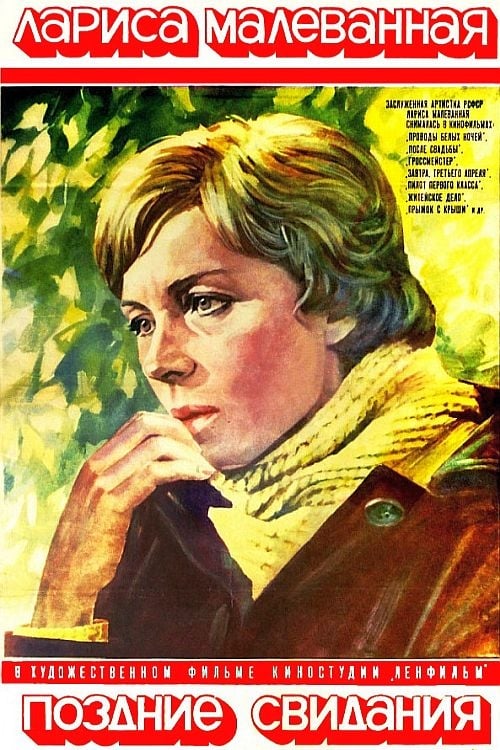
1980
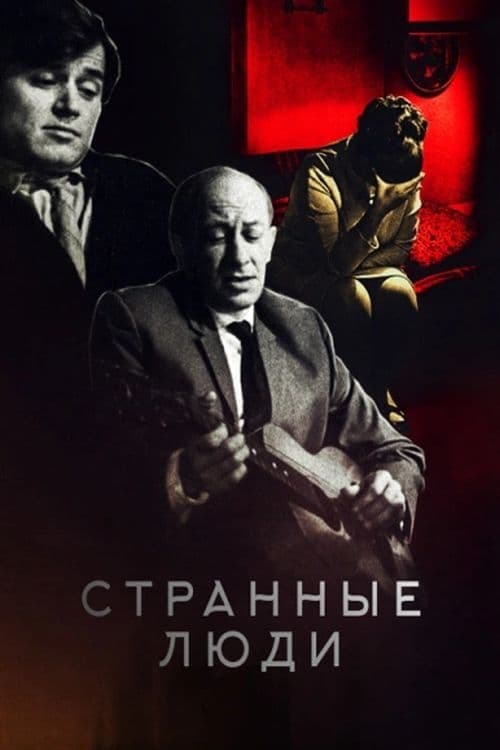
1969
No reviews yet. Be the first to share your thoughts on this movie!
Use the rating form above to leave a star rating and optional review.