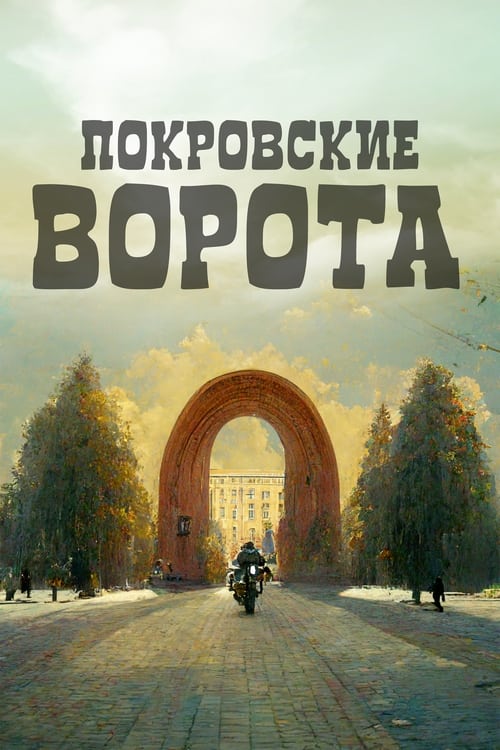
The Pokrovsky Gates
1983
No user ratings available yet
Representation score: 3.6 out of 10
Representation Score
Limited
1974
Director
Aleksandr Shirvindt, Andrey Mironov, Valentin Pluchek
Runtime
154 minutes
Average Rating
No ratings yetNew Showbiz Analysis
This 1974 film serves as a period-specific character study of an average Soviet family. It reflects the social and cultural landscape of its era, prioritizing domestic stability over the exploration of diverse identities. The production adheres to the state-sanctioned creative frameworks of the time. This results in a narrative that reinforces traditional social roles and communal bonds rather than exploring multi-layered or progressive identities. Ultimately, the film functions as a reflection of 1970s Soviet norms. It lacks the diversity of representation found in more modern, deconstructive cinematic works.
Category Breakdown
The film does not include any documented LGBTQ+ characters or narratives. It follows the straight-centered social norms typical of 1974 Soviet cinema.
The story centers on domestic life and interpersonal dynamics. It likely upholds the traditional gender roles common to the period.
The production focuses on an average Soviet family. It appears to default to a homogeneous Slavic presentation without intentional ethnic diversity.
The narrative emphasizes communal bonds and social stability. It reinforces contemporary Soviet social structures rather than challenging them.
There is no mention of characters with visible or invisible disabilities in the available records.
Present on Screen
Limited or Absent
Official Synopsis
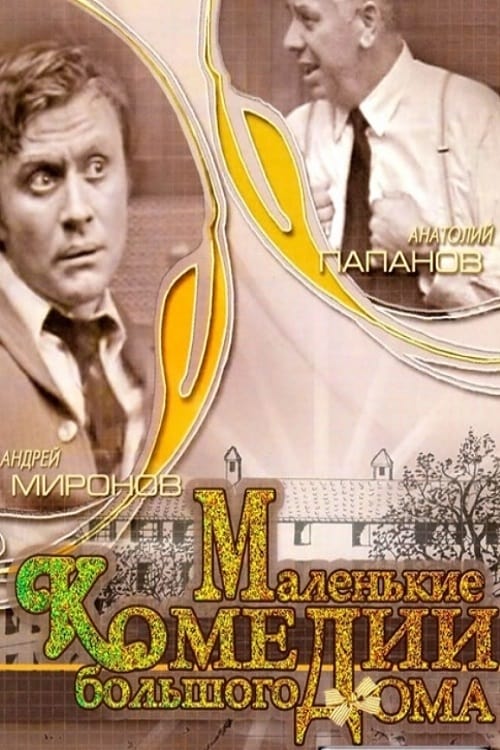
Theatrical movie based on an ordinary life of an average soviet family
1983
1980
1977

1961
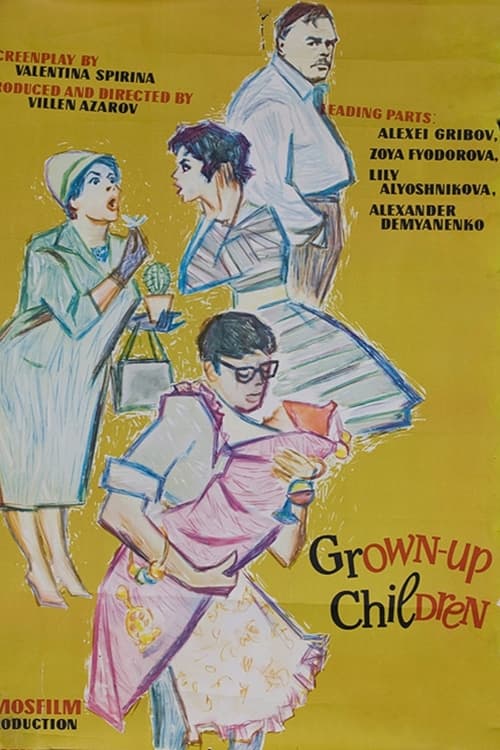
1961
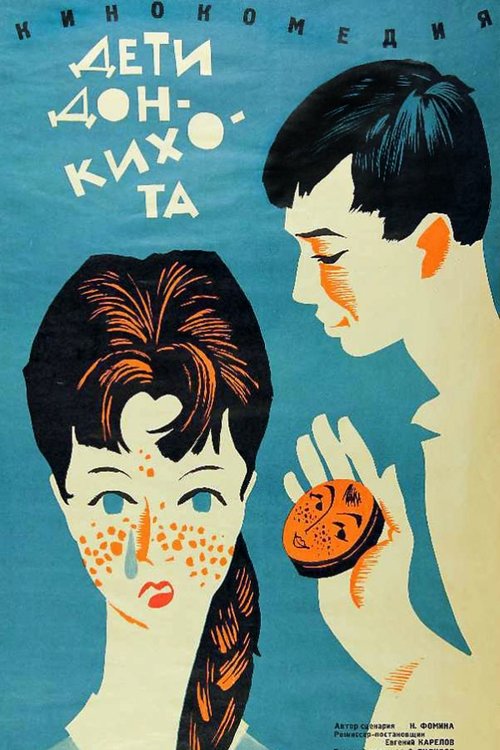
1966
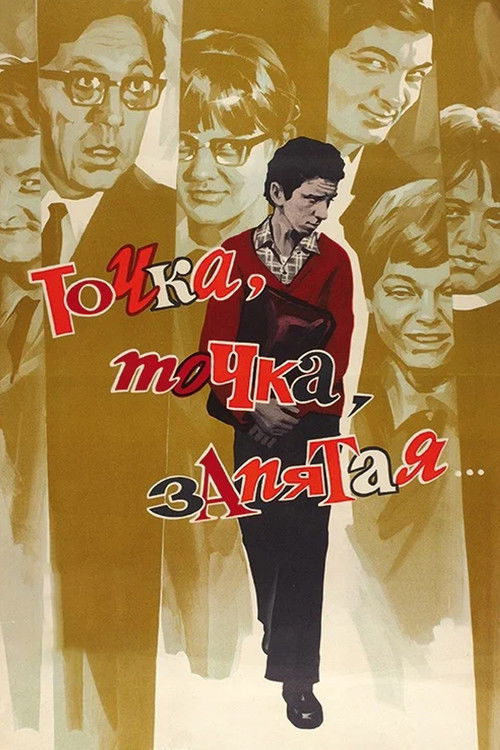
1972

1967
No reviews yet. Be the first to share your thoughts on this movie!
Use the rating form above to leave a star rating and optional review.