
50 Ways of Saying Fabulous
2005
No user ratings available yet
Representation score: 5.5 out of 10
Representation Score
Good
1976
Director
Roger Lambert
Runtime
40 minutes
Average Rating
No ratings yetNew Showbiz Analysis
Roger Lambert’s drama provides a sensitive portrayal of a non-conforming child navigating social alienation. It successfully challenges traditional gender roles by focusing on a male protagonist who values painting over conventional masculine pursuits. However, the film lacks broader social impact due to its narrow focus, with limited representation of racial diversity or explicit LGBTQ+ identities. Ultimately, the film centers on the psychological independence of an unconventional individual, challenging 1970s social norms through the lens of a child's internal struggle and domestic instability.
Category Breakdown
The film touches on social alienation through a protagonist who rejects traditional masculine interests, though it doesn't explicitly label the character's identity or show same-sex intimacy. The focus is more on the social isolation experienced by the character.
Steve challenges the gender norms of the 1970s by valuing artistry over physical dominance. He rejects the typical masculine pursuits of his time, offering a nuanced look at the rigidity of childhood gender roles.
The story focuses on a homogeneous demographic without showing a diverse cast or exploring multiple racial backgrounds. There is no clear focus on racial diversity or the way different parts of someone's identity overlap.
The film critiques the traditional family structure by portraying the home as a source of conflict. It emphasizes the protagonist's subjective, violent fantasy world over the objective social order.
The protagonist retreats into a violent fantasy world as a psychological coping mechanism. The film highlights this internal world as a significant space where the character can act independently, rather than just as a symptom.
Present on Screen
Limited or Absent
Official Synopsis
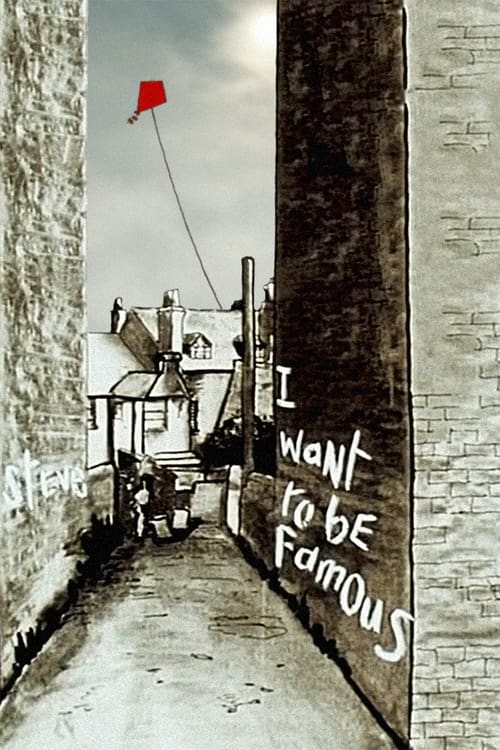
Eleven-year-old Steve is the smallest boy in class. He thinks girls are soppy, detests football and prefers painting. To alleviate his loneliness, he occasionally escapes into an excitingly violent fantasy realm of his own creation. His best mate Stuart is the only solid thing in a comfortless world where people argue too much… usually about Steve.
2005

1992

1963

1961

1978

2000

2008

1999
No reviews yet. Be the first to share your thoughts on this movie!
Use the rating form above to leave a star rating and optional review.