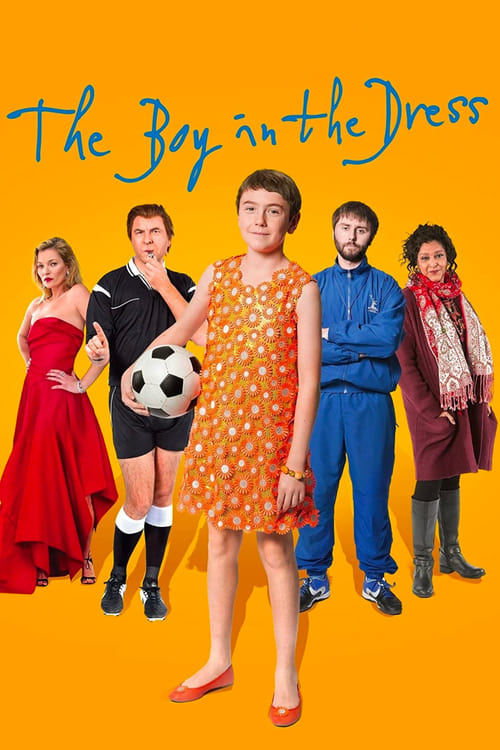
The Boy in the Dress
2014
No user ratings available yet
Representation score: 5.6 out of 10

Representation Score
Fair
2005
Not RatedDirector
Stewart Main
Runtime
88 minutes
Average Rating
No ratings yetNew Showbiz Analysis
50 Ways of Saying Fabulous is a character-driven study of individual identity versus communal expectations. It succeeds by challenging traditional masculine archetypes, using Billy's expressive nature to confront the rigid social landscape of rural New Zealand. While the film offers a meaningful exploration of gender performance and non-cisgender identity, it lacks diversity in other areas. The setting feels culturally homogeneous, offering limited representation of racial or ethnic diversity. Ultimately, the film's strength lies in its focus on individual ability to act. It contrasts the protagonist's imaginative inner world with the demanding, restrictive nature of traditional agrarian masculinity.
Category Breakdown
The story revolves around Billy, whose identity challenges the straight and cisgender expectations of his community. He explores non-cisgender gender performance through the character Lana, who serves as an escape figure.
The film challenges traditional gender roles by contrasting hard labor with Billy's expressive personality. It highlights the tension between traditional masculine ideals and personal expression.
The narrative seems to be set in a specific New Zealand context, focusing on a seemingly homogeneous social structure without much ethnic diversity.
The film questions the 'kiwi bloke' archetype and the traditional agrarian lifestyle. It emphasizes individual identity and subjective truth over strict, traditional patriarchal institutions.
There is no mention of physical or neurodivergent disabilities in the narrative. The protagonist's theatricality does not provide enough information to assign a score.
Present on Screen
Limited or Absent
Official Synopsis
Sweet, chubby, theatrical Billy was never cut out to be a farmer or a rugby player, but as the only son of a ‘good kiwi bloke’ he’s obliged to try. The cows are stubborn and the chores gruelling but Billy finds escape in a fantasy world playing Lana, heroine of his favourite TV show Adventures in Space. Not everyone approves of Billy's transformation. On the brink of adolescene, he discovers growing up is more complicated than he could ever have imagined.
2014
2015

1985
1997
1976
2023
2017
2010
No reviews yet. Be the first to share your thoughts on this movie!
Use the rating form above to leave a star rating and optional review.