To Fly!
1999
No user ratings available yet
Representation score: 7.5 out of 10
Representation Score
Good
1963
Director
Vito Pandolfi
Runtime
93 minutes
Average Rating
No ratings yetNew Showbiz Analysis
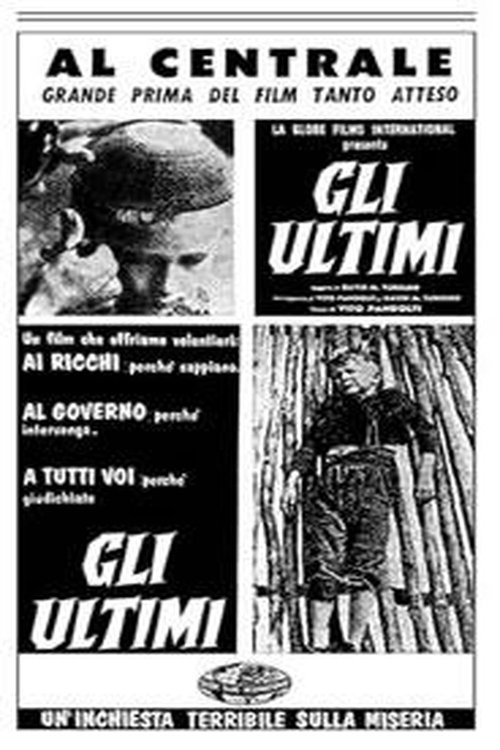
The Last Ones is a character study of social alienation and the friction between individual sensitivity and rigid communal structures. It functions primarily as a critique of provincialism and class-based struggles. The film excels at portraying the 'outsider' archetype, using the protagonist's imagination as a tool to challenge traditional social cohesion. However, the narrative lacks explicit markers of diverse racial or gendered perspectives. Ultimately, the film's strength lies in its focus on socioeconomic struggles and the psychological toll of being different within a homogeneous society.
Category Breakdown
The film explores themes of social alienation and being 'different.' While it doesn't explicitly mention LGBTQ identities, the protagonist's isolation from his peers suggests possible queer coding.
The narrative centers almost entirely on the male protagonist's journey. There is a noticeable lack of women's ability to drive the story or gendered complexity within the plot.
Set in the Friuli region, the film focuses on a homogeneous community. It prioritizes class identity and socioeconomic struggles over multi-ethnic or racial representation.
The story critiques rigid provincialism and traditional agrarian values. It frames the protagonist's artistic ambition as a necessary rebellion against restrictive communal structures.
The protagonist's heightened sensitivity and social 'othering' suggest a neurodivergent experience. His struggle highlights the friction between unique cognitive processing and rigid social norms.
Present on Screen
Limited or Absent
Official Synopsis
Checo, the son of poor Friulian farmers, feels different from other boys because he is more intelligent, sensitive, and gifted with imagination. Others isolate and mock him, and give him the nickname of "Scarecrow," and Checo ends up identifying with that macabre bird. One day, exasperated, he decides to flee to Venice, with the dream of becoming a painter.
1999

1957
1976
1977
1992
1963
2020
1970
No reviews yet. Be the first to share your thoughts on this movie!
Use the rating form above to leave a star rating and optional review.