
Hesher
2010
No user ratings available yet
Representation score: 6.2 out of 10
Representation Score
Good
1999
Not RatedDirector
Lynne Ramsay
Runtime
94 minutes
Average Rating
No ratings yetNew Showbiz Analysis
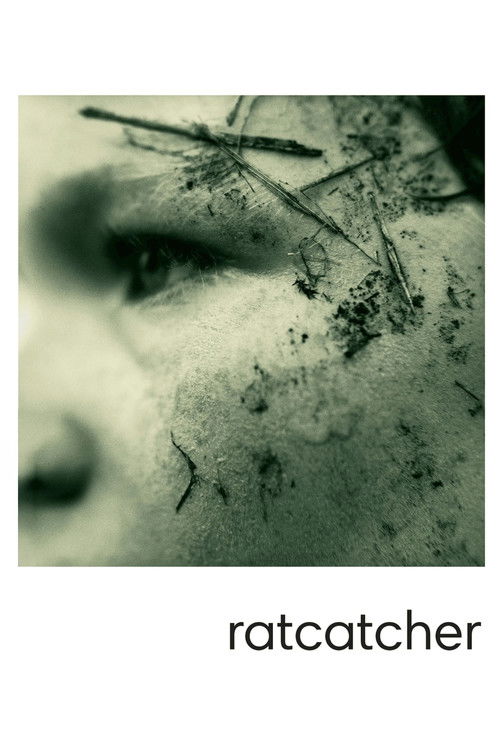
Ratcatcher is a gritty exploration of mid-century industrial Scotland that emphasizes class and socioeconomic decay over broad demographic diversity. It excels by dismantling traditional hierarchies, especially through its portrayal of dysfunctional masculinity and its critique of predatory capitalist structures. While the film lacks diverse racial and LGBTQ+ representation, it achieves narrative depth by focusing on the lived experiences of those affected by socioeconomic issues. It replaces simplified moral narratives with a nuanced examination of how environment shapes behavior. Ultimately, the film's strength lies in its critique of traditional societal structures, even as it remains limited by its specific, homogeneous historical context.
Category Breakdown
The film focuses on a predominantly straight and cisgender community, without centering on LGBTQ+ identities or non-traditional gender expressions.
Male characters are shown through the lens of alcoholism and impotence, challenging traditional masculine stereotypes. Female characters like Margaret Anne have rich emotional and psychological depth.
The film's setting is a largely homogeneous community in mid-century Scotland. There is a lack of diverse racial or ethnic representation among the characters.
The film critiques Western institutions and capitalism, portraying family, religion, and authority as fractured or oppressive forces. It highlights the impact of these systems on individuals.
The film does not depict physical or neurodivergent disabilities explicitly, but it explores the psychological trauma resulting from extreme poverty.
Present on Screen
Limited or Absent
Official Synopsis
James Gillespie is 12 years old. The world he knew is changing. Haunted by a secret, he has become a stranger in his own family. He is drawn to the canal where he creates a world of his own. He finds an awkward tenderness with Margaret Anne, a vulnerable 14 year old expressing a need for love in all the wrong ways, and befriends Kenny, who possesses an unusual innocence in spite of the harsh surroundings.
2010

2018

2017

2000
2006
2001

2005

2015
No reviews yet. Be the first to share your thoughts on this movie!
Use the rating form above to leave a star rating and optional review.