
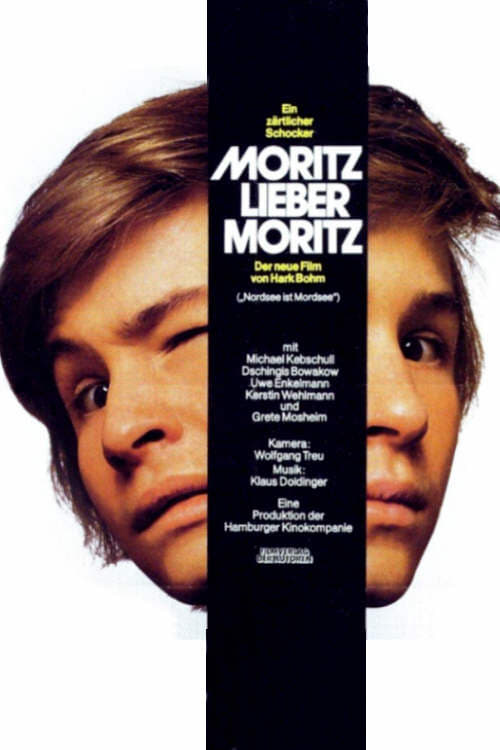
North Sea Is Death Sea
1976
No user ratings available yet
Representation score: 4.3 out of 10
Representation Score
Fair
1978
Director
Hark Bohm
Runtime
96 minutes
Average Rating
No ratings yetNew Showbiz Analysis
Hark Bohm’s character study succeeds in deconstructing the myth of the idealized family. By focusing on emotional interiority and the failure of traditional authority, the film offers a nuanced look at social isolation. However, the work remains limited by the demographic realities of its era. The lack of racial diversity and LGBTQ+ representation keeps the film within the conventional boundaries of 1970s West German social realism. Ultimately, the film's strength lies in its portrayal of individual ability to act. Moritz finds connection through subcultural engagement and musical connection, providing a meaningful alternative to the neglect found within his domestic life.
Category Breakdown
The film does not include explicit representations of LGBTQ+ identities or relationships that go beyond the assumption that everyone is straight. The story centers on the protagonist's personal growth without incorporating characters or themes that explore LGBTQ+ experiences.
The film challenges traditional patriarchal expectations by presenting a fragmented, emotionally disconnected father figure. The story shifts focus from masculine authority to the protagonist's individual resilience and vulnerability.
The cast reflects a relatively homogeneous social environment typical of 1978 West German urban drama. There is no evidence of significant racial diversity or diverse casting used as a narrative tool.
The narrative challenges the ideal of the nuclear family, depicting the domestic sphere as a site of neglect. Moritz finds community through music and subculture rather than traditional institutions.
While no physical disabilities are explicitly shown, the film explores the psychological distress of social alienation. Moritz's retreat into dream-like states suggests a study of neurodivergent-adjacent social struggles.
Present on Screen
Limited or Absent
Official Synopsis
15-year-old Moritz lives in a posh area of Hamburg, but his parents did not care about it. The teenager suffers from ridicule of his classmates and finds refuge in his dreams and playing the saxophone. Only when he joins a band and began performing there Moritz pulled out of the vicious circle, and finds love with new friends...
1976

2000

1997

2000
2007
1996

2013

2016
No reviews yet. Be the first to share your thoughts on this movie!
Use the rating form above to leave a star rating and optional review.