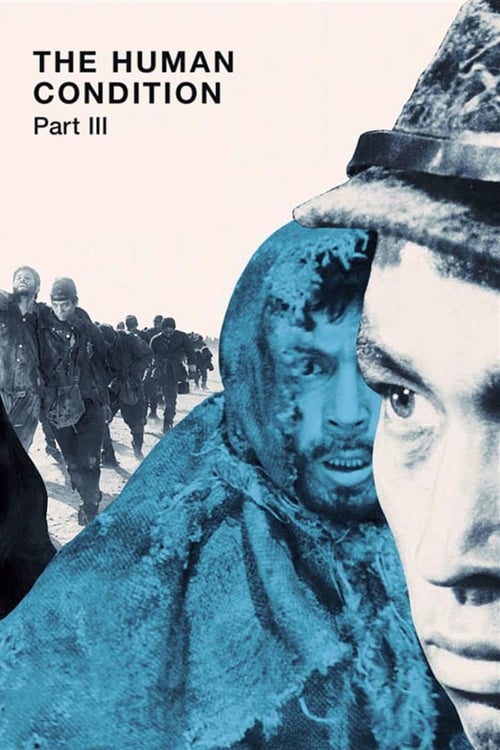
The Human Condition III: A Soldier's Prayer
1961
No user ratings available yet
Representation score: 6.1 out of 10

Representation Score
Fair
2023
Director
David Oelhoffen
Runtime
123 minutes
Average Rating
No ratings yetNew Showbiz Analysis
This film is a traditional historical war drama centered on the harsh realities of conflict in 1945. It emphasizes themes of attrition, disease, and the physical degradation of a French Foreign Legion unit. While the setting implies a collision of cultures between European forces and East Asian populations, the narrative remains grounded in the conventions of the war genre. The story prioritizes the survival of a masculine-coded unit over modern storytelling that reflects multiple aspects of identity. Ultimately, the film explores human frailty and the chaos of the Pacific theater through a lens of gritty, naturalistic realism.
Category Breakdown
The film centers on a masculine-coded military unit in a high-stress survival scenario. There is no indication of LGBTQ+ identities or narratives that critique the assumption that everyone is straight or cisgender.
The movie focuses on a column of male soldiers, emphasizing traditional masculine traits of endurance. It does not provide significant women's ability to drive the story in the main survival storyline.
Set in the Far East, the film involves conflicts between French garrisons and the Japanese army, requiring a diverse cast. While the protagonists are French, the geopolitical context suggests a clash of cultures.
The film portrays a historical war epic focusing on the breakdown of institutional order. It highlights the primal struggle of individuals against systemic collapse without specific cultural critiques.
The legionnaires face physical weaknesses due to alcohol and disease, which serve as plot drivers for survival stakes. However, these elements do not explore disability in a nuanced manner.
Present on Screen
Limited or Absent
Official Synopsis
March 1945. The Japanese army launches a sudden and extremely brutal assault against the French garrisons in the Far East. Thousands of civilians and soldiers were executed. Hunted by the Japanese enemy, a column of legionnaires already weakened by alcohol and disease decides to enter the jungle to try to reach China and the allied bases.
1961
1959

2020
2003

2016

1945

2020
1959
No reviews yet. Be the first to share your thoughts on this movie!
Use the rating form above to leave a star rating and optional review.