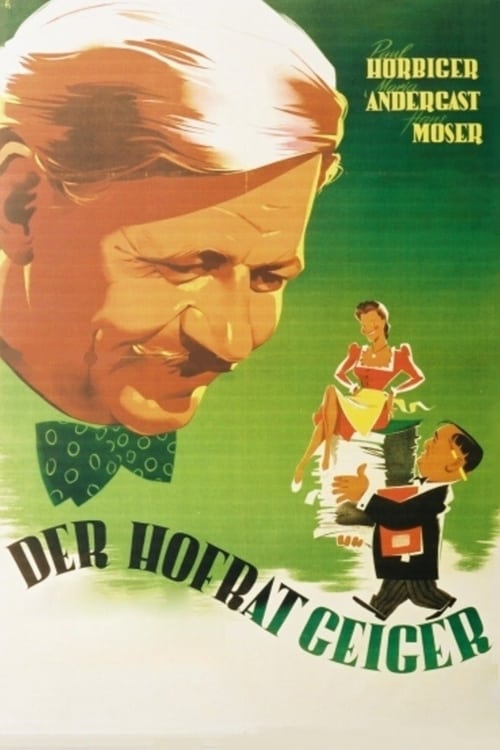
Der Hofrat Geiger
1947
No user ratings available yet
Representation score: 1.7 out of 10
No Poster Available
Representation Score
Limited
1940
Director
Carl Heinz Wolff
Runtime
78 minutes
Average Rating
No ratings yetNew Showbiz Analysis
Tip auf Amalia is a product of the restrictive societal constraints of 1940s Germany. The film's structure reinforces traditionalist values and nationalistic standards rather than challenging them. The production adheres to the homogeneous and patriarchal norms of the period, lacking diverse representation. It upholds the existing social order through traditional family structures and rigid hierarchies. Ultimately, the film offers a narrow view of humanity, prioritizing stability and conventional archetypes over diverse or subversive perspectives.
Category Breakdown
The film does not include any representation of LGBTQ+ identities, which were heavily suppressed during the 1940s. The work does not challenge the assumption that everyone is straight or cisgender.
The story reinforces traditional gender roles and domesticity. Male characters likely dominate the plot and hold positions of authority.
The cast likely reflects the homogeneous standards of 1940s German cinema. There is no indication of racial diversity or non-Germanic archetypes.
The film upholds traditional Western institutions and moral frameworks. It does not challenge or question these norms in any way.
There is no evidence of nuanced representations of disabilities. Physical differences may have been used solely for comedic effect.
Present on Screen
Limited or Absent
Official Synopsis
In his will, the eccentric Feinsipp leaves his porter Piesicke his race horse "Amalia", to his driver his car, and to his cook Marie -- as well as to his chambermaid Barbel -- a small pension. All four now try to begin their independent existence together. Amalia is supposed to race in the next show, for Piesicke has already prophesized her victory. With the winnings, they're going to open a beer garden. But the horse ends up losing and is sold. With the money, Piesicke buys another horse and this one wins a bucket load of money in a race. Yet, in spite of this stroke of luck, the friendship among the four of them starts to fall apart from mistrust and jealousy.
1947
1991
1940
1943
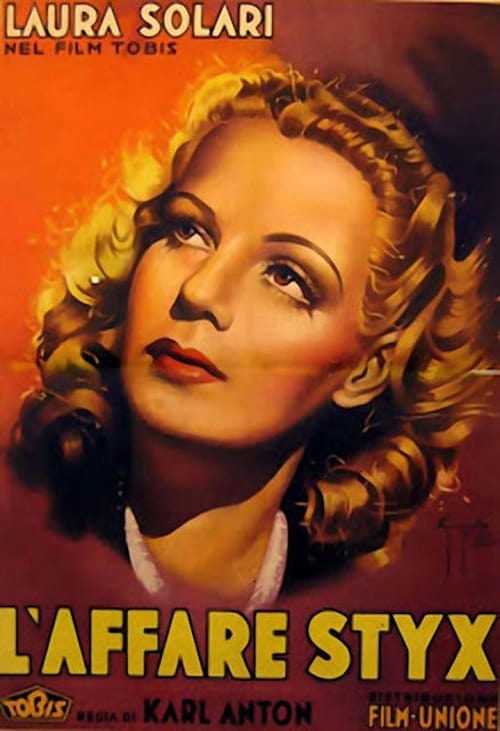
1942
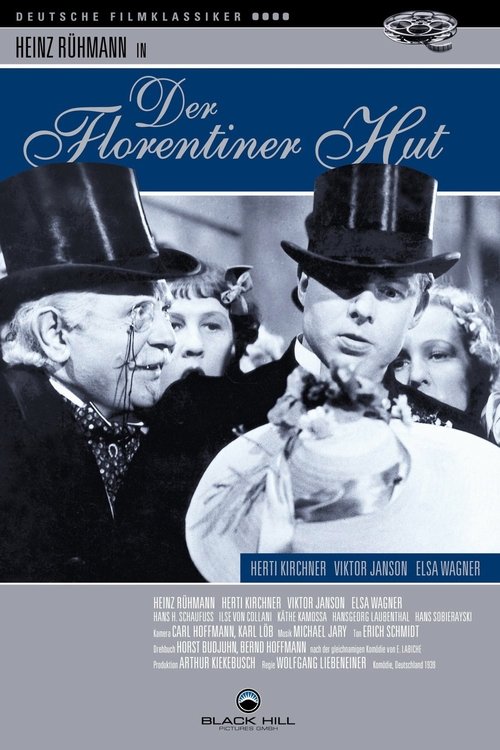
1939
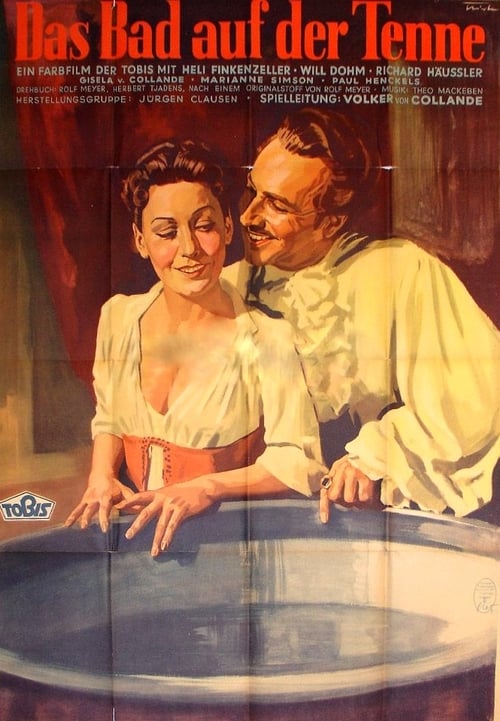
1943
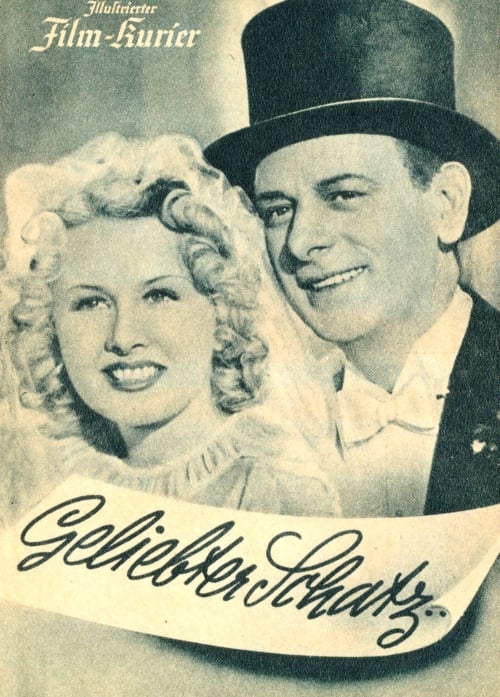
1943
No reviews yet. Be the first to share your thoughts on this movie!
Use the rating form above to leave a star rating and optional review.