Bürger Schippel
1964
No user ratings available yet
Representation score: 3.3 out of 10
Representation Score
Limited
1956
Director
Kurt Meisel
Average Rating
No ratings yetNew Showbiz Analysis
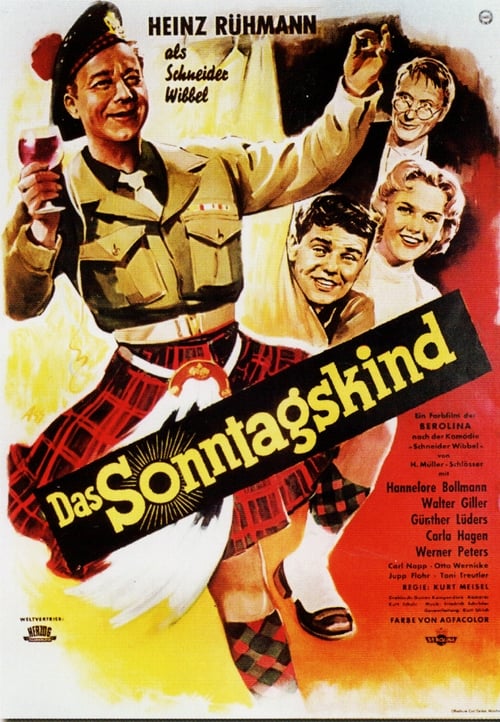
Das Sonntagskind is a product of its historical context, reflecting the conservative cinematic frameworks of 1950s Germany. The film prioritizes established social archetypes and traditional narrative structures over progressive disruptions. Its representation is characterized by a lack of multi-layered identity politics. The production aligns with the era's standard commercial structures, focusing on conventional social depictions rather than challenging systemic hierarchies.
Category Breakdown
The film likely follows the straight-centered standards of 1956 German cinema. It is unlikely to feature non-cisgender identities or critiques of traditional social structures.
While there are strong female leads like Hannelore Bollmann, the film likely relies on traditional feminine roles and masculine leadership. It appears to favor conventional gender roles over subverted hierarchies.
The production suggests a homogeneous European cast, reflecting the demographic and social constraints of mid-century Germany, offering little racial diversity.
The narrative operates within traditional Western frameworks, emphasizing family units and conventional morality. It lacks any evidence of deconstructive or secularist approaches to social institutions.
Disability is unlikely to be a central theme with modern nuances of ability to act. If present, such elements are likely relegated to clichéd characterizations common to the era.
Present on Screen
Limited or Absent
1964
1991
1964
1964
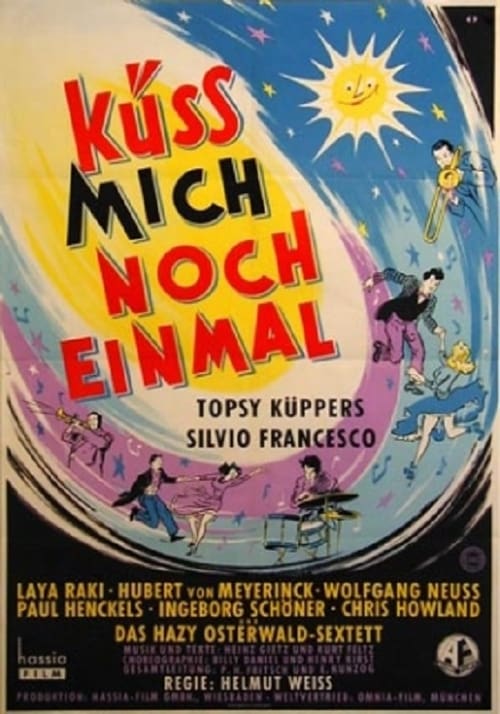
1956
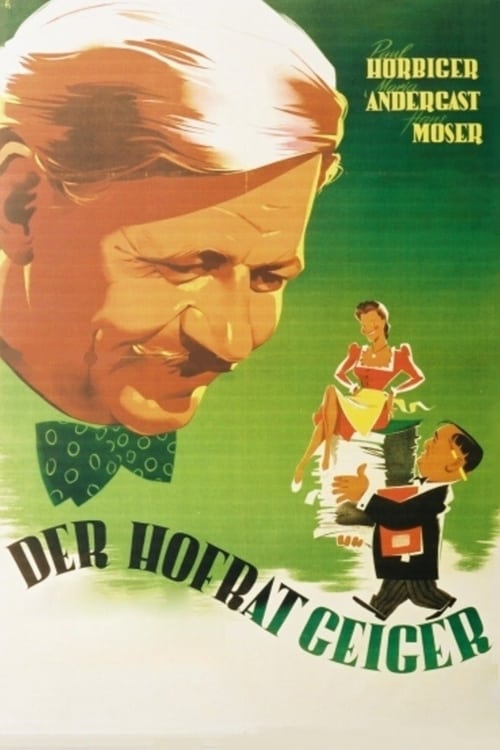
1947
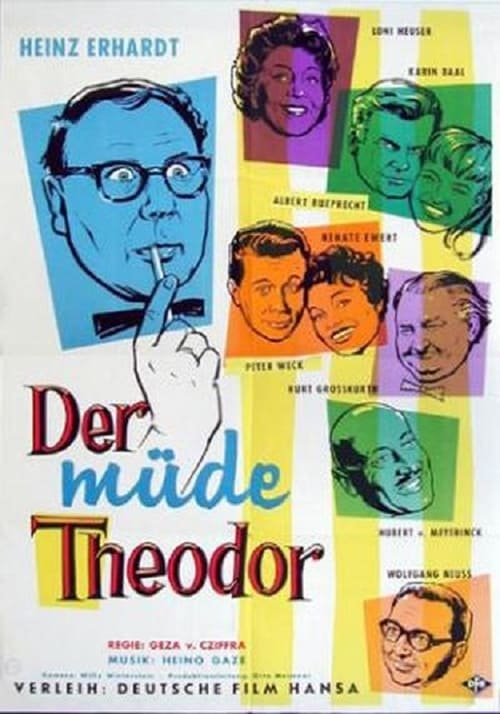
1957

1961
No reviews yet. Be the first to share your thoughts on this movie!
Use the rating form above to leave a star rating and optional review.