Der Mann, der sich selber sucht
1950
No user ratings available yet
Representation score: 1.2 out of 10
Representation Score
Limited
1957
Director
Géza von Cziffra
Runtime
95 minutes
Average Rating
No ratings yetNew Showbiz Analysis
This 1957 comedy is a quintessential product of its era, prioritizing escapism and established social hierarchies. The narrative relies on traditional domestic conflicts and straight-centered romantic structures common to post-war West German cinema. While the film offers slight subversions, such as a domineering female character, these are framed as comedic clichés rather than meaningful challenges to systemic power. The representation of disability is particularly reductive, treating cognitive capacity as a tool for narrative conflict. Ultimately, the film functions as a reflection of mid-century cultural norms, lacking the intentionality to represent diverse identities or disrupt the status quo.
Category Breakdown
The film adheres to a strictly heterosexual and cisgender framework. It focuses on traditional romantic relationships and does not depict any non-cisgender identities or same-sex intimacy.
Gender dynamics are portrayed through comedic domestic conflicts. Rosa Hagemann is shown as a domineering figure, but the film ultimately reinforces conventional family roles and patriarchal structures.
The cast and setting appear largely homogeneous. There is no indication of a multi-ethnic cast or the inclusion of non-European identities within this culturally specific environment.
The narrative reinforces mid-century conservative values and Western social institutions. It focuses on marriage, legal standing, and the preservation of social order through traditional family structures.
The concept of legal incompetence is used primarily as a plot device to strip the protagonist of control over their actions. The film lacks a nuanced portrayal of mental health or neurodivergence.
Present on Screen
Limited or Absent
1950

1991
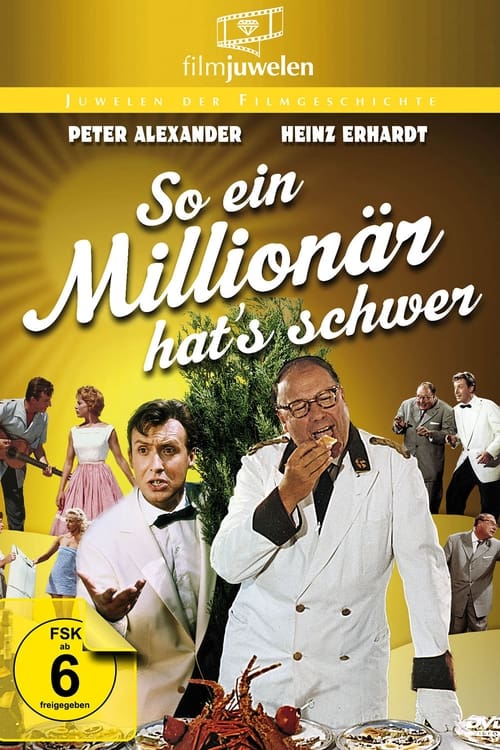
1958
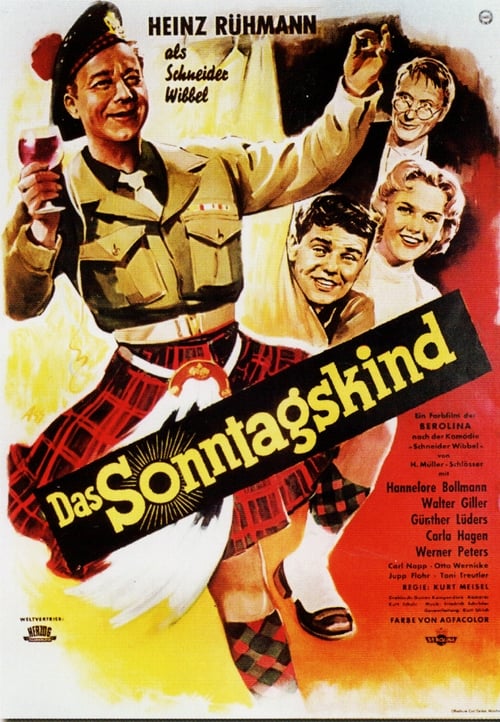
1956
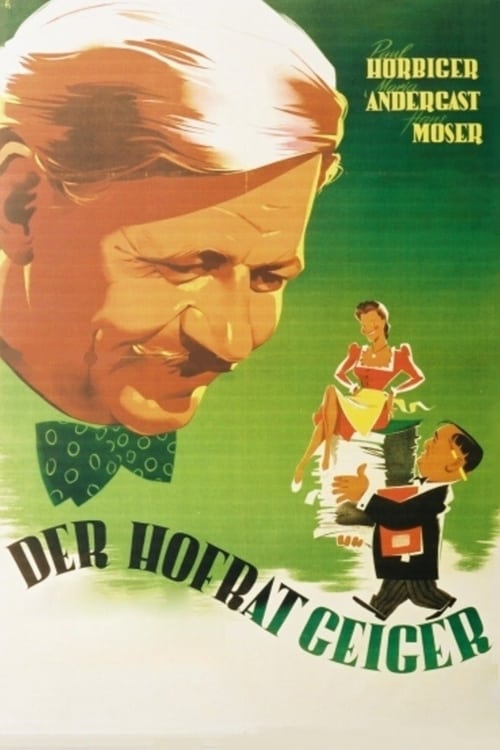
1947
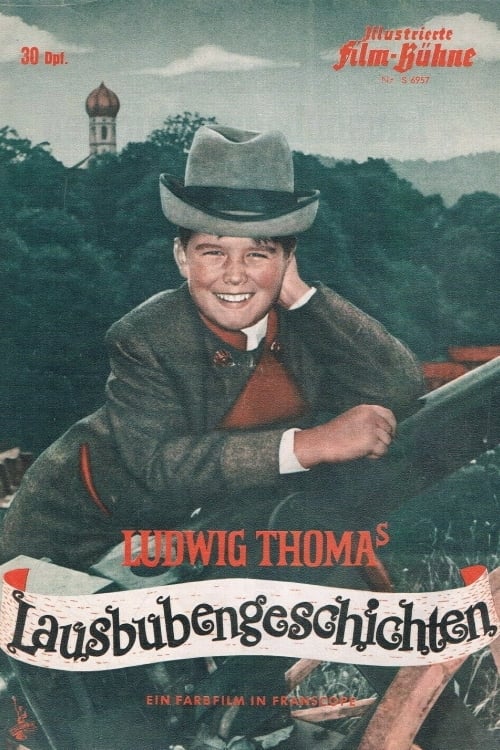
1964
1964
1950
No reviews yet. Be the first to share your thoughts on this movie!
Use the rating form above to leave a star rating and optional review.