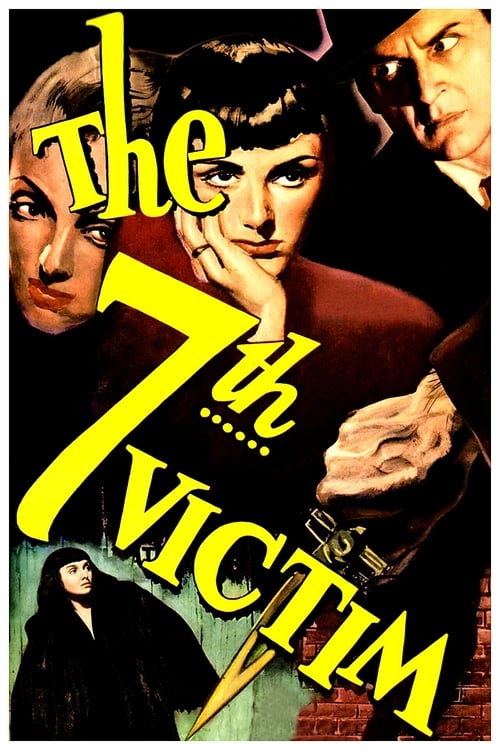
The Seventh Victim
1943
No user ratings available yet
Representation score: 6.4 out of 10

Representation Score
Limited
1933
PassedDirector
Michael Curtiz
Runtime
78 minutes
Average Rating
No ratings yetNew Showbiz Analysis
Mystery of the Wax Museum is a classic example of its time, emphasizing atmospheric horror and psychological suspense. While it features a strong central performance by Fay Wray, the narrative remains rooted in traditional period clichés. The film lacks complexity in representing diverse identities, focusing instead on individual madness and the consequences of personal actions. It reflects the social norms of 1933 through its homogeneous casting and conventional gender roles. Ultimately, the work stands as a defining example of the thriller genre, emphasizing technical skill and suspense rather than progressive representation or systemic critique.
Category Breakdown
The film does not include any LGBTQ+ characters or explore non-traditional gender identities. Relationships and plot points revolve around conventional romance and investigation.
Fay Wray plays a central role in driving the story forward. However, the narrative sticks closely to traditional gender roles and period clichés.
The cast is primarily made up of actors from similar backgrounds, which was typical for the time. There are few characters of color with significant roles.
The story focuses on individual psychological issues and madness. It portrays deviance through personal obsession rather than examining broader societal structures.
The protagonist's psychological struggles stem from past physical trauma. The film uses the 'damaged creator' cliché without delving into lived disability experiences.
Present on Screen
Limited or Absent
Official Synopsis
A wax sculptor opens a new museum years after he is severely injured during a fire that destroyed his original collection. The disappearance of both people and corpses coincides with this grand reopening and leads a reporter to start investigating.
1943
1935
1934
1971
1932
1946

1975
1939
No reviews yet. Be the first to share your thoughts on this movie!
Use the rating form above to leave a star rating and optional review.